
Canadian travel plans will hold steady despite higher energy costs: survey
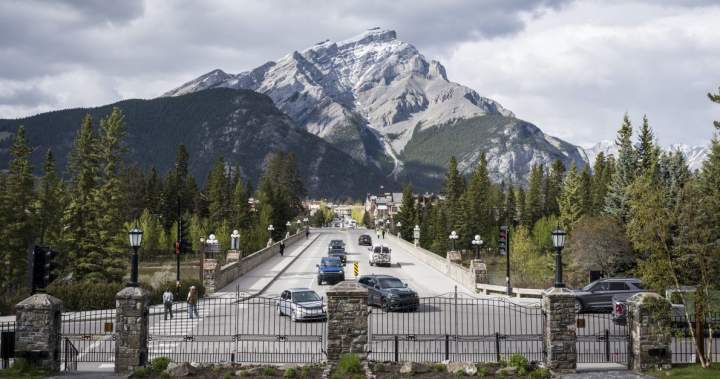
A remarkable new survey indicates that Canadian travel plans are set to defy the headwinds of economic uncertainty and elevated transportation costs this year. Far from scaling back, the majority of Canadians intend to stick to their itineraries, predominantly opting for domestic excursions, a strategic move poised to inject billions into the national economy.
The Domestic Surge in Canadian Travel Plans
The Business Development Bank of Canada’s (BDC) annual tourism outlook, released this past Wednesday, paints a vibrant picture: an astonishing nine out of ten Canadians are actively planning a trip in 2026. What’s truly striking is the overwhelming preference for exploring our own backyard; a staggering 92 percent anticipate at least one journey within Canada. In stark contrast, only 70 percent are eyeing international destinations, and a mere 30 percent foresee a jaunt south of the border, partly due to ongoing consumer boycotts.
This palpable shift towards domestic exploration isn’t just a trend; it’s an economic boon. The BDC estimates that if every Canadian traveller simply redirected one overnight stay abroad to a single day of travel within Canada, the nation’s GDP could swell by an additional $4.6 billion. Pierre Cléroux, the BDC’s chief economist, emphasized, “If there’s more people travelling in Canada, the industry is going to grow and the number of jobs is going to increase. That will have a great impact on the Canadian economy.” Households, on average, are preparing to allocate approximately $7,000 to their adventures this year, with at least a third earmarked for spending right here at home.
Understanding Traveler Motivations and Adaptations
While U.S. tensions and the ever-present specter of affordability certainly factor into the decisions of about a quarter of travelers, a significant plurality—45 percent—are simply inspired to discover “Canada’s diverse regions,” suggesting that Canadian destinations are increasingly chosen for their intrinsic appeal. Beyond scenic beauty, 40 percent are motivated by the desire to visit friends and family, and a commendable 39 percent aim to bolster Canadian businesses and the local economy.
Though 58 percent consider travel a “central” or “important” facet of their lives, the reality of budgets means adaptation. A substantial 81 percent are making affordability-related compromises, ranging from selecting cheaper accommodations to embracing off-peak travel dates. Indeed, last year’s data confirms the prudence: Canadians spent, on average, $43 less per night on domestic trips compared to international ones.
Energy Costs: A Minor Ripple, Not a Tidal Wave
The survey, which canvassed 1,000 Canadian adults online from February 25 to March 3, notably spanned a period both before and after geopolitical events sent energy prices skyrocketing. Yet, the BDC remains remarkably sanguine about its forecast for a robust tourism season. Several factors underpin this confidence. A relatively stable yet comfortably weak Canadian dollar (below US$0.75) is expected to continue enticing foreign visitors while simultaneously encouraging Canadians to keep their spending within national borders.
Moreover, the report highlights a welcome trend: Canadian travel accommodations have seen prices ease over the past year, effectively softening the blow of higher energy costs and further enhancing the allure of domestic destinations. Cléroux dismisses the impact of fuel prices with clear pragmatism. “There’s no doubt that everybody’s paying more for gasoline, but we have to keep in mind that it’s only five per cent of the average Canadian budget,” he explained. “Yes, it’s annoying when we go to put some gasoline in the car, but actually it doesn’t change the budget for many Canadians.”
This enduring optimism follows a banner year for the domestic tourism industry in 2025, buoyed by a significant surge in Canadian traveler spending. Data from Canada’s official statistical agency revealed a 2.5 percent increase from 2024. Despite a slight dip in international tourist spending, a late-quarter boost from foreign visitors propelled tourism GDP beyond Canada’s overall GDP. This positive momentum for Canadian travel plans is widely anticipated to persist through 2026. “We’re not forecasting a recession, so Canadians still have the means to travel,” Cléroux concluded, underscoring the resilience of the nation’s wanderlust.