New Delhi is undergoing a profound transformation, far more intricate than mere population figures suggest. While provisional data from the initial phase of the
Delhi Census 2027 pegs the capital’s population at a staggering 2.3 crore—a substantial 37.5% rise over 15 years—the true seismic shift lies elsewhere. The number of households across the National Capital Territory (NCT) has surged by nearly 60% to approximately 55 lakh, dramatically outpacing the actual population growth. This isn’t just about more people; it’s about a complete reshaping of urban living.
This striking divergence, highlighted by the House Listing Operations concluded in mid-June, signals a major structural shift in the capital’s socio-economic fabric. Census officials unequivocally state that this rapid increase in households relative to population size is a direct reflection of a steady decline in average family size. Gone are the days of sprawling joint families; in their place, smaller nuclear units and even single-person households are becoming the norm. This evolving landscape is driven by shifting lifestyle preferences, relentless urban migration, and the dynamic economic currents coursing through the metropolis, creating a new urban tapestry for the
Delhi Census to meticulously chart.
Geographic Realignment: Key Delhi Census Insights
The extensive digital house-listing exercise, which meticulously covered nearly 76 lakh census houses across over 45,000 blocks, has also unveiled a significant geographic and demographic realignment across the capital. North East Delhi has cemented its status as the most populous district, registering a provisional count of 28.7 lakh residents. Conversely, the high-security New Delhi district, encompassing the New Delhi Municipal Council (NDMC) and Cantonment zones, recorded the smallest human footprint, with a modest 2.4 lakh residents and approximately 63,000 households.
Intriguingly, despite North East Delhi’s population dominance, South West Delhi has emerged as a hub of concentrated infrastructure and micro-units. It leads the city with 6.2 lakh individual households and over 8.2 lakh census houses. West Delhi trails closely, anchoring 5.9 lakh households. Officials caution that a direct district-by-district comparison with the 2011 census remains complex, primarily because administrative boundaries have been significantly redrawn over the past decade and a half, expanding Delhi’s administrative map from nine to 13 districts. This complicates historical trend analysis for the
Delhi Census figures.
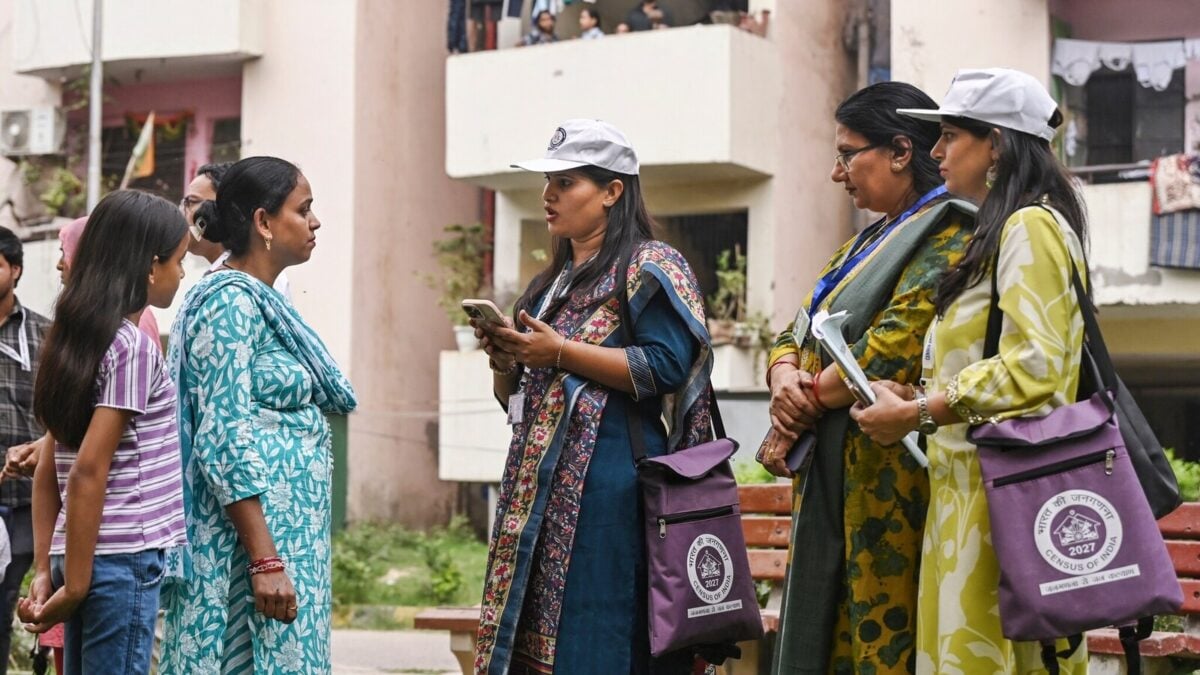
This primary phase, conducted through meticulous door-to-door digital mapping, was designed to capture essential metrics concerning housing conditions, available assets, and structural utilities before the final citizen headcounts commence. While these preliminary figures offer an invaluable framework for urban planners and policymakers, census authorities stress that the 2.3 crore population figure is strictly provisional. Understanding these population trends is vital for future planning. The broader context of these shifts aligns with national demographic changes observed by various statistical bodies across the subcontinent.
The comprehensive demographic story of the national capital will only be definitively written during the high-stakes second phase, officially known as the Population Enumeration phase, slated to begin in February 2027. This forthcoming drive will meticulously map detailed individual profiles, nuanced socio-economic variables, and the ultimate population finalities, thereby cementing the statistical baseline for the capital’s infrastructure policy for the next critical decade.
About the Author