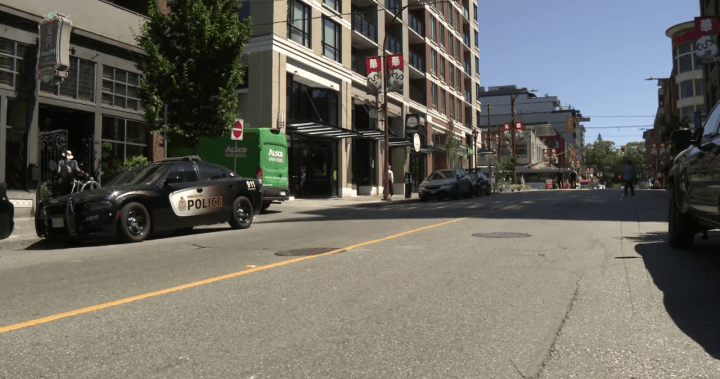
While the FIFA World Cup has ignited a celebratory fervor across downtown Vancouver, an unexpected reality casts a pall over local merchants. Many Vancouver businesses struggle to keep afloat, reporting significant revenue drops in areas adjacent to the bustling game-day zones, a stark contrast to the anticipated economic boom.
The Unexpected Downturn: Why Vancouver Businesses Struggle
Erin Templeton, owner of a vibrant leather and vintage boutique in Chinatown, recounted a dizzying shift. “May was phenomenal, our best month ever,” she explained, a wistful note in her voice. “But come June 1st, it was like a ghost town.” Her experience mirrors a broader trend. Many entrepreneurs, recalling the negative impact of previous major events like the Olympics, braced for a slow period, but few predicted such a precipitous decline.
The renowned Bao Bei restaurant on Keefer Street, an establishment often buzzing with activity, has witnessed a staggering 30 percent reduction in sales compared to the same period last year. Owner Tannis Ling expressed profound disappointment. “We genuinely expected a surge in foot traffic, with people funneling from the stadium,” she lamented. “Instead, it seems they’re directing crowds further downtown, leaving Chinatown eerily quiet on game days.”
The economic ripple effect extends beyond retail and dining. The Underground Comedy Club, a local entertainment staple, saw its opening weekend revenue plummet by over 30 percent, with future ticket sales down an alarming 70 percent. Owner Jon Gagnon articulated the challenge starkly: “FIFA is direct competition for live entertainment. It’s David versus Goliath.” He highlighted the massive marketing budgets and cultural pull of such global events, rendering it nearly impossible for smaller venues to compete for the same demographic. Indeed, the sheer scale of major sporting events can often overshadow local endeavors, creating unforeseen economic landscapes for host cities, a phenomenon explored in various studies on their impact.
The ongoing challenge for Vancouver businesses struggle with is multifaceted, encompassing both a drop in local patronage and an inability to attract the new influx of visitors. This poses a significant hurdle for these enterprises, many of whom had pinned their summer hopes on the influx of World Cup tourists.
Despite these considerable setbacks, local establishments remain resolute. They are actively trying to communicate that they are open, accessible, and ready to welcome patrons, urging residents and visitors alike to remember the diverse offerings that make Vancouver’s neighborhoods unique, even amidst the global football frenzy. Supporting these businesses is more critical than ever.
About the Author