Bolivia plunges deeper into turmoil as President Rodrigo Paz declares a sweeping Bolivia State Emergency, empowering the military to dismantle widespread blockades. For weeks, the nation has grappled with an escalating crisis, born from a wave of public outrage against Paz’s contentious austerity measures.
A Nation Under Siege: The Rationale Behind the Bolivia State Emergency Decree
The move, announced early Saturday, comes after nearly 50 days of paralyzing protests. Key arteries leading to La Paz, the administrative capital, have been choked by barricades, severely disrupting the flow of essential food and fuel supplies. President Paz, addressing a weary nation, articulated that the anti-government blockades had transcended mere social protest, evolving into a calculated attempt to destabilize Bolivia’s nascent democracy. “This is not a state of emergency to restrict people’s lives,” he asserted, “it is a state of emergency to give people back their freedom.”
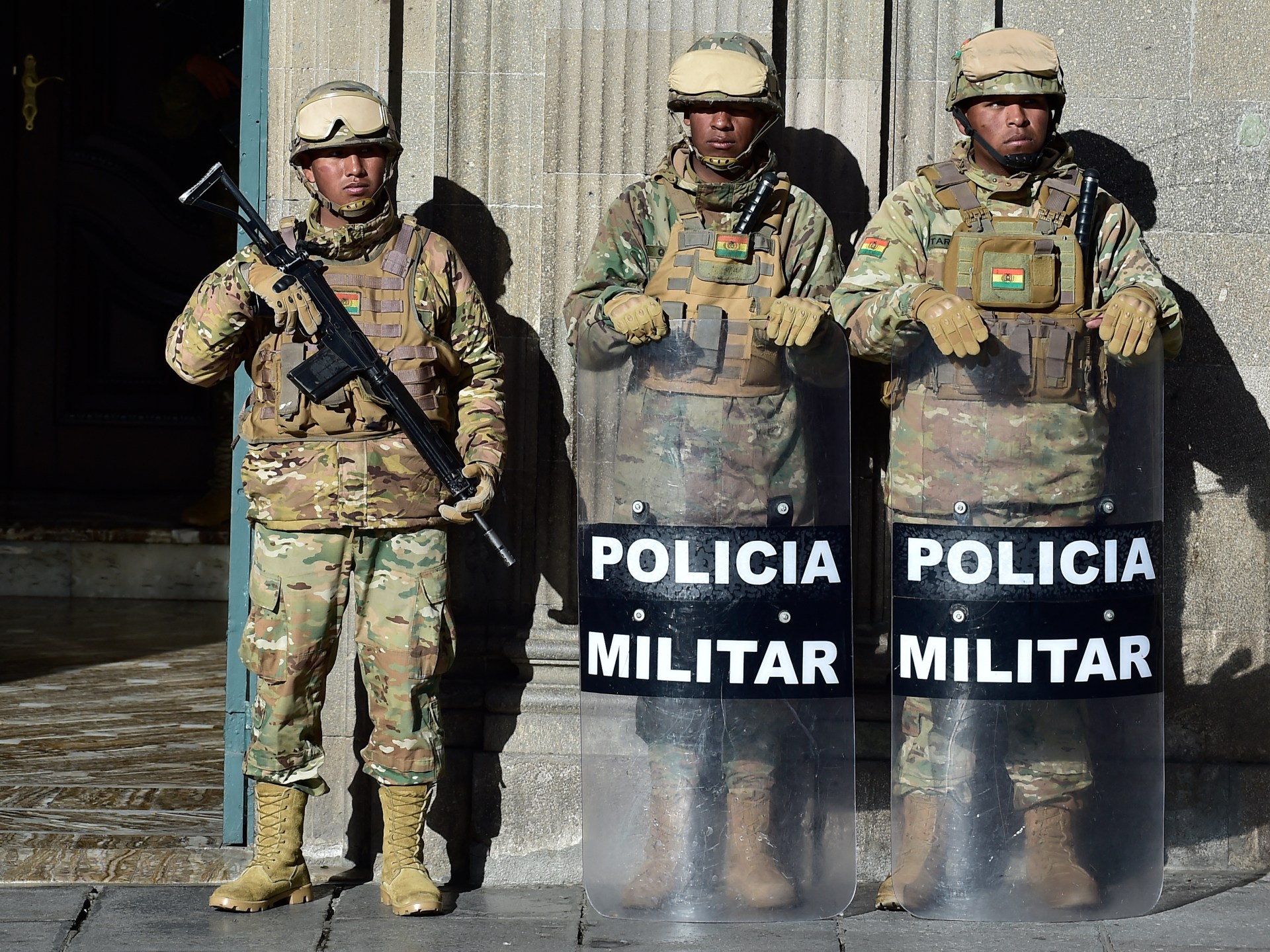
The decree, slated to last 90 days but subject to earlier revocation, specifically forbids any obstruction of transportation routes. It grants the armed forces temporary authority to assist police in “restoring order, reopening roads, and protecting the population.” Yet, the declaration casts a long shadow over the nation’s fragile stability. The roots of this unrest lie in Paz’s November ascension to power, marked by promises of economic revitalization and social welfare preservation. However, the subsequent elimination of longstanding fuel subsidies, a cornerstone of his austerity drive, ignited a firestorm of inflation and public fury.
Violent confrontations have tragically defined the protest landscape, with authorities reporting 365 arrests and 37 injuries. More harrowing, at least 17 lives have been lost, many attributed to the critical lack of medical care stemming from the transportation disruptions, according to Bolivia’s ombudsman and various international oversight groups. Supermarket shelves lie bare, hospitals struggle for oxygen, and businesses remain shuttered. While Paz recently secured an agreement with a labor union to lift blockades, a significant faction of protesters remains resolute, demanding his resignation and refusing further negotiations. The deep chasm between the government and aggrieved highland Indigenous and rural workers, who accuse Paz of neglecting their needs, underscores the complexity of this Bolivia State Emergency. The path to peace and stability remains fraught with uncertainty.
About the Author