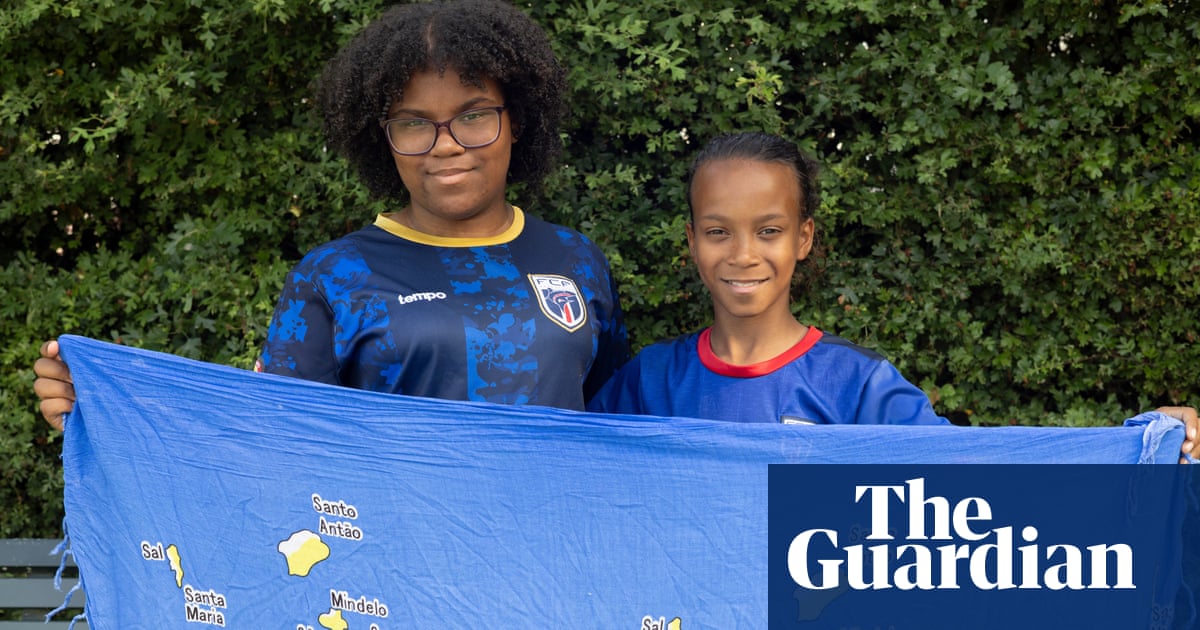
A wave of unprecedented jubilation is sweeping through the United Kingdom’s Cape Verdean community. Their beloved nation, the archipelago off Africa’s western coast, is making an electrifying debut on the global stage, proving doubters wrong with an astonishing Cape Verde World Cup run. From heart-stopping draws against football titans Spain and Uruguay to a collective surge of national pride, the feeling among the diaspora is palpable: finally, the world is watching.
The Unforgettable Cape Verde World Cup Run
For thirteen-year-old Lauryn, the very existence of her homeland on a map was once a quest. Now, its vibrant presence at the World Cup is nothing short of a miracle. “Seeing our country highlighted globally, especially at an event as massive as the World Cup, fills me with immense pride,” Lauryn beamed. “After that first game, everyone started talking about Cape Verde. They witnessed the undeniable talent and sheer skill of our players.” Indeed, the Blue Sharks, as they are affectionately known, have consistently punched above their weight, captivating audiences with tenacious performances.
This tiny island nation, comprised of ten volcanic islands and home to just over half a million souls, sits modestly in the Atlantic Ocean. Its qualification for the World Cup was a feat in itself, but its subsequent defiance of expectations has become the tournament’s most heartwarming narrative. Before their inaugural match against Spain, social media buzzed with pessimistic predictions: a mere 1% chance of victory. Yet, the team’s remarkable goalkeeper, Vozinha, redefined those odds with a breathtaking display between the posts. His heroics transformed a statistic into a rallying cry: “They gave us 1% chance, but we had 99% faith!” This slogan now echoes throughout the vibrant Cape Verdean community in Britain, a testament to their unwavering spirit.
The draw against Spain, a formidable 0-0 stalemate, sent shockwaves through the footballing world. Annabella Lopes of the Cape Verdean Association UK described their subsequent 2-2 draw against Uruguay as a “constant heart attack” – a rollercoaster of emotions that ultimately showcased their resilience. The team, quickly becoming everyone’s favorite underdog, now gears up for a pivotal final group stage encounter against Saudi Arabia. A win would etch their name further into history, securing a knockout spot, while even a draw could see them progress as one of the best third-placed teams.
Ten-year-old Joylen, Lauryn’s younger brother and a promising player in Chelsea’s academy, finds profound inspiration in their journey. “We can definitely go far. People shouldn’t underestimate us; if we can draw with Spain and Uruguay, imagine what we can achieve against others,” he mused, his own aspirations soaring. This feeling resonates deeply within the wider diaspora. Lopes articulates it perfectly: “The triumph on the pitch reflects the incredible resilience and strength embedded within our people. Being small, or lesser-known, never dictates the magnitude of one’s potential.” It’s a powerful statement, transcending the football pitch to embrace all aspects of their culture. For a closer look at the ongoing World Cup live updates, many fans are glued to their screens.
Goalkeeper Vozinha has become a household name, his Instagram following exploding into the millions after just two games. Nancy Rodrigues, a UK-based NHS physiotherapist who once treated him, calls him “really nice” and says he “definitely deserves all this attention.” Elisangela, a 36-year-old accountant, vividly describes the atmosphere: “We’ve simply never experienced anything like this. Everyone is electrified, connecting, sharing this incredible moment with loved ones.”
Lauryn and Joylen’s mother, Cristina, harbors a broader hope. She envisions this footballing success igniting a wider interest in Cape Verde’s rich cultural tapestry. “We are inherently creative people,” she explained. “Our talent isn’t confined to football; it flourishes in music, literature, and the arts.” She especially commends the team’s values and humility, exemplified by manager Bubista’s tradition of exchanging gifts with opposing coaches. “That’s our essence,” she concluded. “Warriors on the field, yet we honour and respect each other. People are seeing humility, unity, and genuine passion. It’s truly beautiful.” This captivating Cape Verde World Cup story is more than just football; it’s a profound cultural moment for a proud nation.
About the Author