
As HELOC debt rises amid affordability challenges, these are the risks
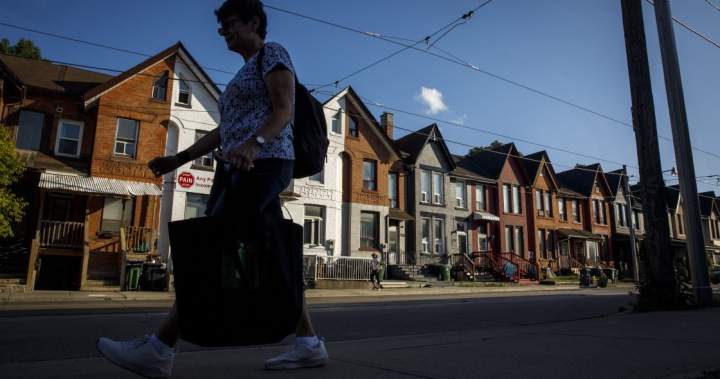
A disturbing financial trend grips Canadian households. As paycheques stretch thinner and the cost of living relentlessly climbs, more citizens are turning to home equity lines of credit (HELOCs) to bridge the gap. But experts are sounding a stark alarm: the escalating HELOC debt carries profound risks, potentially culminating in the loss of one’s most significant asset – their home.
Recent data paints a grim picture. An Ipsos poll, commissioned by insolvency firm MNP Ltd., reveals a staggering 61 per cent of Canadians commit at least half their income to essential bills, debt payments, and regular expenses before it even lands in their accounts. A third, an even more precarious 32 per cent, find most of their earnings pre-allocated. This relentless financial squeeze, persisting throughout 2026, compels many to seek desperate solutions. But is leveraging one’s home truly a safe haven?
Understanding HELOC Debt
What exactly is a HELOC? Simply put, it’s a secured loan, using your home’s equity as collateral. The amount available to borrow directly correlates with the equity you’ve built. While often viewed as a more attractive option than high-interest credit cards, the stakes are undeniably higher. “HELOCs might be cheaper than credit cards, but they require serious collateral: your home,” warns Clay Jarvis, a mortgage expert at NerdWallet Canada. “If your financial situation worsens and you can no longer make HELOC payments, you could lose your house.”
The ubiquity of these loans is on the rise. Data from Equifax, highlighted in a March report by the Canada Mortgage and Housing Corporation, indicates Canadians’ outstanding HELOC balances surged to $230.9 billion in late 2025, a more than five per cent jump from earlier in the year. This increase coincides with consumer insolvencies reaching their highest point since 2009, a clear indicator of widespread financial fragility.
“As budgets are getting tighter and things are getting more expensive, people may not have that same safety net… and they may be dipping into that home equity line of savings because they’re already kind of stretched thin,” explains Leah Zlatkin, a licensed broker and mortgage expert at LowestRates.ca. She cautions that using a HELOC for everyday inflationary pressures is “not really what you should be using it for.”
The specter of higher mortgage rates, a stark contrast to pandemic-era lows, further exacerbates the issue. Millions of Canadian households have already renewed their mortgages at these elevated rates, with more facing similar renewals in 2026. This translates to significantly less affordable housing, particularly in Canada’s sprawling urban centres. The ongoing global conflicts, too, contribute to this financial maelstrom, driving up costs for essential goods like gas and signaling potential hikes across the board.
While the interest rates on a HELOC are typically lower than credit cards – a 5.5 per cent rate often trumps a 21 per cent credit card charge – the inherent risk remains. Borrowing through a HELOC, without a robust repayment strategy, can lead to a perilous cycle of debt. Crucially, if your home’s value declines, your HELOC debt does not. Upon selling, a larger portion of the sale proceeds could be consumed by repaying the line of credit, leaving homeowners with less, or even nothing.
Many homeowners find themselves in a bind; unable to refinance their existing mortgages due to current conditions, they eye their approved HELOCs as the only accessible source of funds. Zlatkin points out that in such scenarios, utilizing an existing home equity line of credit might seem like the most pragmatic choice, even if it’s not ideal. However, it’s a decision fraught with potential peril, underscoring the critical need for a clear understanding of the risks associated with increasing HELOC debt.