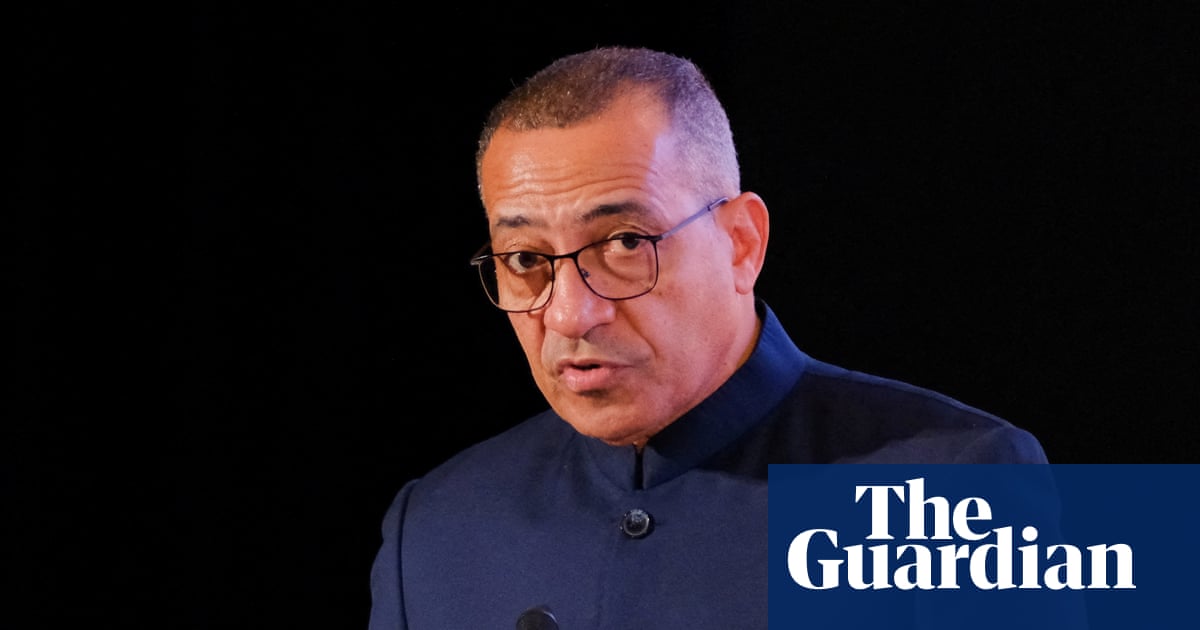
A palpable tension hangs over São Tomé and Príncipe as the nation prepares for a pivotal São Tomé election this Sunday. Voters in this tranquil island nation, one of Africa’s smallest by population, head to the polls amidst a fraught political climate and a lingering constitutional crisis. Incumbent President Carlos Vila Nova, a figure central to the current drama, seeks a second term, but this time, he’s charting an independent course, estranged from the very party that propelled him to power five years prior.
With approximately 142,000 registered voters, including a significant diaspora presence, this election is a critical test of the country’s democratic resilience. Since gaining independence from Portugal in 1975, São Tomé and Príncipe has cultivated a commendable reputation for peaceful, competitive electoral processes. This particular São Tomé election is shaping up to be one of its most fiercely contested in recent memory, moving far beyond past conventions.
The Independent Path of Carlos Vila Nova in the São Tomé Election
President Vila Nova’s decision to run as an independent, rather than under the banner of his former ruling party, Acção Democrática Independente (ADI), has ignited considerable controversy. The schism within the ADI began in earnest last January following Vila Nova’s dismissal of Prime Minister Patrice Trovoada. What followed was a swift succession of leadership changes, including the brief three-day tenure of Ilza Amado Vaz, before Américo Ramos assumed the role.
Sunday’s ballot presents a crowded field. Vila Nova faces four other contenders, notably Nito D’Abreu, the ADI parliamentary leader, who represents the party’s official challenge. Adding another layer of intrigue, former Prime Minister Jorge Bom Jesus remains on the ballot despite a failed attempt to withdraw his independent candidacy. The political landscape is a tapestry of shifting allegiances: the primary opposition, the Movement for the Liberation of São Tomé and Príncipe, now surprisingly backs the incumbent, while a faction of the ADI, led by Ramos, throws its weight behind D’Abreu. If no candidate secures more than 50% of the vote, the island nation will brace itself for a second round.
Further complicating the electoral picture was the disqualification of businessman Domingos Monteiro, affectionately known as “Nino.” The former president of the São Toméan Football Federation was barred by the constitutional court due to eligibility issues concerning his parents’ naturalization status, despite his birth on the island. Monteiro vehemently decried the ruling, asserting that “The constitutional court is violating the principle of equal rights … It is time for descendants born in São Tomé and Príncipe to say no to discrimination, to the culture of xenophobia and persecution.”
For the average São Toméan, the priorities are stark and pressing. Voters are deeply concerned with rampant government corruption, escalating inflation, and alarming levels of youth unemployment. Chronic fuel shortages and frequent power outages further compound daily struggles. These critical issues, which heavily influence the dynamics of this São Tomé election, fuel the hopes of Vila Nova’s rivals, who believe such widespread discontent could pave their path to the presidency. Indeed, corruption in São Tomé and Príncipe “is the greatest catastrophe the country has experienced in this half-century [of independence],” declared Nito D’Abreu during a recent presidential debate.
Strategically significant, São Tomé and Príncipe serves as a trusted Western ally for security and maritime trade within the Gulf of Guinea, a region infamous for piracy. Its offshore oil reserves also contribute significantly to the national economy. Given its importance, observer missions from the European Union, G7+, and the Community of Portuguese Language Countries are on the ground, diligently monitoring the polls to ensure a fair and transparent process. The outcome of this crucial São Tomé election will undoubtedly shape the nation’s trajectory for years to come, watched closely by both its citizens and international partners.
About the Author