
C-Sections, Abortions, Kidney Stones Or Piles: 112 Ayushman Bharat Treatments May Soon Be Free Only At Govt Hospitals
Introduction and Key Takeaways
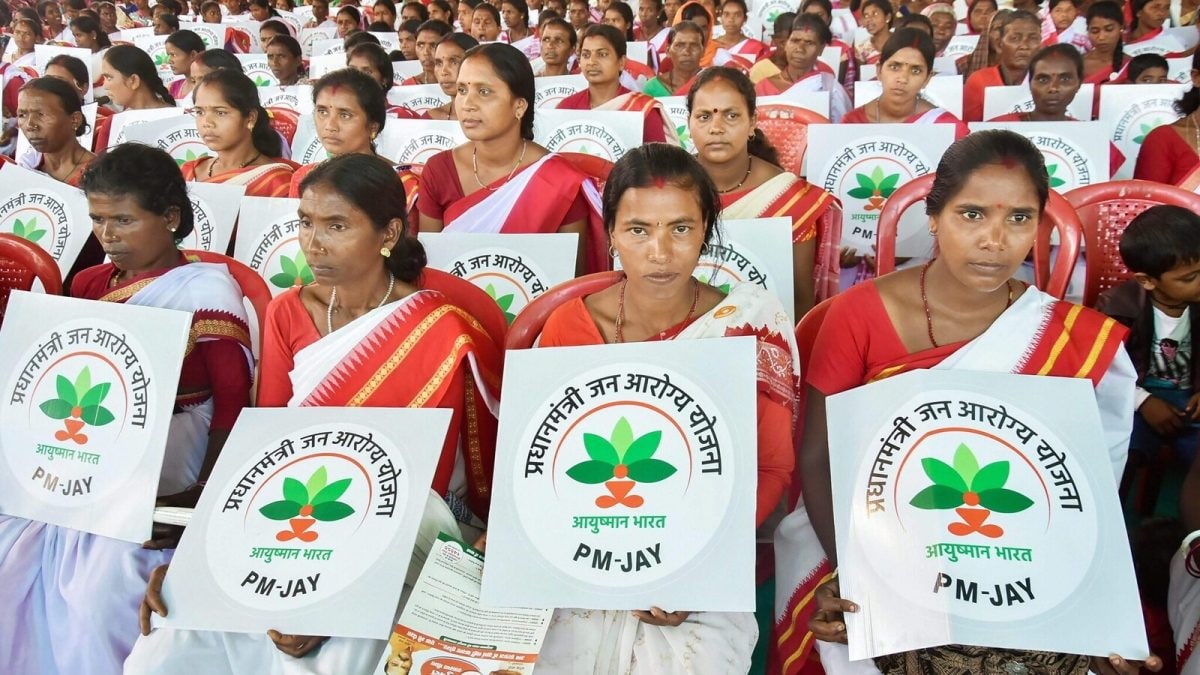
The Indian healthcare landscape is bracing for a major shift in policy as the National Health Authority (NHA) moves to reserve 112 medical procedures exclusively for public hospitals under the Ayushman Bharat Pradhan Mantri Jan Arogya Yojana (AB PM-JAY). This proposal aims to streamline the utilization of resources and curb widespread reports of fraudulent claims, yet it has ignited a fierce debate among policy analysts and healthcare providers regarding patient accessibility. The Ayushman Bharat scheme has long served as a vital safety net for millions of low-income families, providing annual coverage of up to Rs 5 lakh to mitigate the crushing weight of medical emergencies. By restricting procedures such as C-sections, hysterectomies, and urgent care for conditions like malaria or kidney stone pain to government facilities, the government hopes to ensure that public infrastructure is utilized effectively while preventing private sector exploitation.
- The NHA has proposed expanding the reserved procedure list from 23 to 112.
- The policy aims to curb over-medicalization and fraudulent billing in private hospitals.
- Crucial emergency treatments and surgeries will soon require patients to access public health centers to remain free.
- Implementation is slated for December 1, 2026, pending feedback from state agencies.
Background and Context: What Just Happened?
For years, the PM-JAY initiative has been the cornerstone of India’s universal healthcare aspirations. It was designed to shield the poor from catastrophic health expenditures. However, an internal official document reveals that the government now intends to consolidate the management of 112 specific procedures. Currently, states often have their own variations of reserved services, but this new mandate seeks to harmonize these practices at a national level. The scope of the restriction is expansive, covering elective surgeries, complex gynecological procedures, and acute medical admissions that previously could be handled by empaneled private hospitals.
Root Cause and Deep Dive Analysis
The primary driver behind this move is the systemic exploitation of the insurance model. Public health economists point to a alarming surge in unnecessary surgeries. For instance, data indicates that while global standards suggest C-sections should represent roughly 15 percent of deliveries, some regions have seen these rates skyrocket to over 70 percent under the scheme. Such metrics suggest that profit-seeking private entities have been incentivizing procedures that are not clinically indicated. By mandating that these surgeries be performed in government hospitals, the state aims to eliminate the financial incentive for such practices. However, this raises a secondary concern regarding the readiness of public health infrastructure, which varies significantly in quality and availability across different Indian states. As noted by experts, a well-functioning district hospital in a southern state may have drastically different capabilities compared to an overburdened clinic in the north.
Strategic Implications and Future Impact
Globally, the push toward centralized health coverage requires a delicate balance between fiscal prudence and patient welfare. The restriction of Ayushman Bharat procedures to public facilities signals a pivot toward strengthening state-run infrastructure as the primary provider of essential care. This strategy could theoretically save the public exchequer billions in fraudulent payouts. Yet, the long-term impact on patient outcomes remains uncertain. If government hospitals remain chronically understaffed or lack the latest diagnostic equipment, patients in rural or remote areas may find themselves forced to either forgo necessary care or pay substantial out-of-pocket costs at private clinics. The policy forces a confrontation with the reality of India’s health-seeking behavior, where trust in public institutions is currently being tested by capacity constraints.
Conclusion and What to Watch Next
As the December 1 implementation deadline approaches, all eyes are on the feedback from state health agencies. The government must determine whether a flexible, region-specific application of these rules might be more effective than a blanket national policy. While the objective of curbing abuse is noble, the success of this shift will depend entirely on the ability of the public sector to absorb the increased patient volume without compromising on quality or timeliness. Policymakers will need to maintain a watchful eye on rural accessibility metrics and emergency admission statistics in the months following this transition. Stakeholders should also monitor whether this policy leads to a necessary surge in public health investment to bridge the current gaps in service delivery.