
Costa Rica’s mega-prison receives first inmates
Introduction & Key Takeaways
Costa Rica has officially entered a new phase of national security policy, transitioning from its historical identity as a peaceful democratic bastion to a nation actively embracing the “tough on crime” paradigm. The inauguration of the High-Containment Center Against Organized Crime, or CACCO, represents a pivotal shift in how the nation manages its criminal justice system. By housing 5,100 inmates in a high-security environment, the government hopes to curb the tide of violence that has surged in recent years. This Costa Rica mega-prison marks a significant departure from traditional rehabilitation-focused models and aligns the nation closer to regional security strategies that prioritize containment over past social interventions.
- The facility, known as CACCO, was constructed with advisory support from El Salvador and has a capacity to hold 5,100 high-risk individuals.
- The project reflects a broader trend across Latin America where right-wing leadership is adopting the “Bukele model” to tackle organized crime.
- Government officials claim this $35 million investment will reduce prison overcrowding, though critics remain concerned about the long-term impact on human rights and constitutional norms.
Background & Context (What Just Happened?)
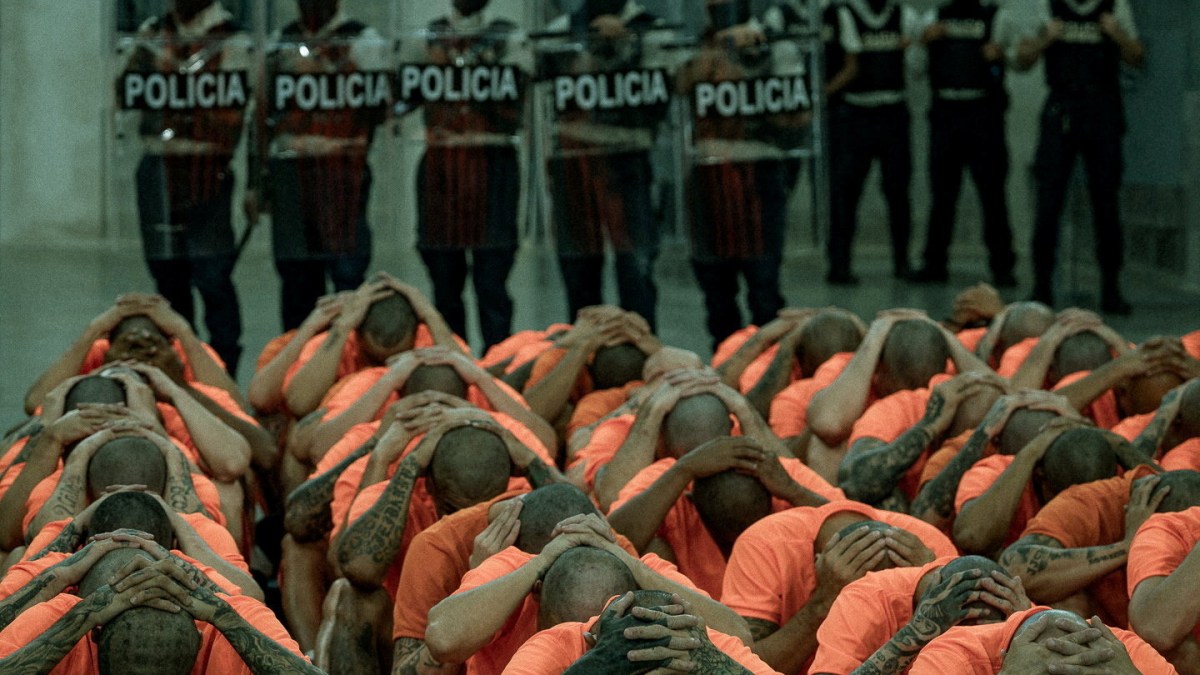
On October 27, 2026, the Costa Rican government marked a significant milestone by transferring the first 123 inmates into the CACCO facility. Located near the capital, San Jose, the building stands as a testament to President Laura Fernandez’s commitment to security. For decades, Costa Rica enjoyed a reputation as the “Switzerland of Central America,” largely due to its abolition of the military and its commitment to social welfare. However, the rise of transnational drug cartels has created an environment of instability. Data indicates that homicides reached record-setting peaks between 2023 and 2025, leaving the current administration under immense pressure to restore order.
Root Cause & Deep Dive Analysis (Why Did This Happen?)
The decision to build a Costa Rica mega-prison is not an isolated development but a calculated move in response to the growing influence of drug trafficking syndicates. These groups often use existing, overcrowded penitentiaries as command centers for their operations. By creating a high-containment environment, the administration aims to sever the communication lines that allow incarcerated leaders to coordinate street violence from behind bars. The influence of El Salvador’s approach, often cited for its drastic reduction in gang activity, has provided a political template that resonates with a public weary of lawlessness.
The geopolitical shift is also noteworthy. As countries across Latin America face similar pressures from organized crime, the cross-border cooperation on prison infrastructure suggests an emerging regional bloc that favors hardline security measures. You can read more about global health and security trends that highlight how external threats often dictate domestic policy shifts. This pivot towards centralized, high-density incarceration may solve immediate overcrowding issues, but it prompts questions about whether this approach addresses the underlying socioeconomic drivers of crime.
Strategic Implications & Future Impact (What Does This Mean Globally?)
Globally, the emergence of the Costa Rica mega-prison model signifies a potential transformation in the judicial philosophy of the region. If CACCO proves successful in dampening violence, other nations struggling with similar security threats may follow suit, potentially leading to a new era of regional security integration. Conversely, there is a risk of alienation from human rights-focused international bodies. The move echoes the complex political dynamics seen in other parts of the world, such as when states undergo significant institutional restructuring to handle internal dissent and criminality. For the international community, the long-term question remains: can such facilities remain within the bounds of international law while maintaining strict control over violent actors?
Conclusion & What to Watch Next
As the facility reaches its full operational capacity, the primary metrics for success will be homicide rates and the stability of the correctional system itself. Observers must watch whether this “tough on crime” strategy creates a lasting deterrence or if it merely pushes criminal networks to diversify their tactics. Furthermore, the relationship between Costa Rica and its partners in this venture, specifically the Salvadoran administration, will likely deepen. Future success will depend on whether the government can balance these robust security measures with necessary institutional reforms, or if the reliance on mass incarceration will create a new set of challenges for the country’s democratic infrastructure.