
Flying out of Kelowna is about to get more expensive as airport fees increase
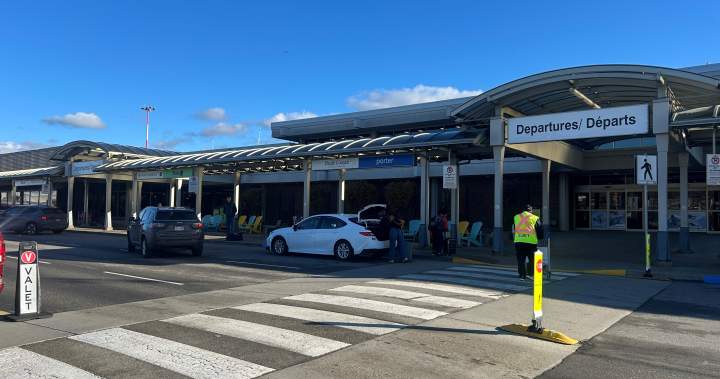
Introduction & Key Takeaways
Travellers flying out of Kelowna International Airport are facing a new financial reality as city officials implement a comprehensive increase in service charges. The decision to raise both parking rates and the mandatory Airport Improvement Fee (AIF) reflects a broader trend of infrastructure modernization across Canadian regional hubs. As passenger volumes climb, the pressure to fund massive capital projects has shifted the cost burden directly onto the consumer. Below are the essential takeaways regarding these adjustments:
- Short-term parking daily maximums are set to jump significantly to reach $50, aimed at curbing long-term lot congestion.
- The Airport Improvement Fee will escalate from $31 to $39 over the next five years, starting in early 2027.
- The municipal strategy seeks to fund $423 million in crucial infrastructure, including terminal expansions and runway improvements.
- Despite local frustration, airport leadership maintains that these new fees align with the fiscal demands of being one of Canada’s busiest transit gateways.
Background & Context
On November 16, 2026, the Kelowna City Council moved to approve a revised fee structure for the Kelowna International Airport. This decision was not made in a vacuum, but rather as a calculated response to sustained growth and aging infrastructure. Regional airports often operate under a cost-recovery model where capital expenditures are largely funded by user fees rather than broad taxation. This standard fiscal policy ensures that facilities remain solvent, even as demand fluctuates. For many residents, this development is a sharp reminder that the cost of connectivity is rising, especially as airports across North America grapple with aging systems and increased security requirements.
Root Cause & Deep Dive Analysis
Why did this happen now? The core driver is the massive $423 million capital investment plan. As Kelowna secures its position as the ninth busiest airport in Canada, it faces a unique set of pressures. The growth has been relentless, forcing the administration to prioritize terminal expansion and surface access, such as new roundabouts and runway upgrades. When basic infrastructure becomes saturated, the economic cost of operational inefficiency often outweighs the political cost of raising fees. By increasing the daily cap on short-term parking, the airport is also attempting to manage inventory flow, signaling to travelers that the facility prioritizes high-turnover usage over long-term parking storage.
Strategic Implications & Future Impact
The decision to increase the Kelowna Airport fees illustrates a larger economic struggle for mid-sized cities. While the city hopes to modernize its capacity, there is a tangible risk that price sensitivity could impact passenger behavior. For example, similar infrastructure dilemmas have been documented elsewhere, such as in Canada’s inflation climate, where households are increasingly cautious about discretionary spending. If air travel costs continue to rise, regional airports may face stiff competition from ground transportation or alternative hubs. Furthermore, the reliance on an Improvement Fee model creates a cycle where passenger growth must be constant to justify the very debt incurred for the expansion, creating a delicate balance for regional planners.
Conclusion & What to Watch Next
As the December 1 deadline approaches, passengers should brace for a more expensive travel experience. While a new seven-storey parkade is slated to add over 1,000 stalls to relieve some of the current parking strain, the long-term impact on airport usage remains to be seen. Industry observers will be watching whether this hike dampens the record-breaking growth the airport has recently enjoyed. Ultimately, this move at the Kelowna International Airport represents a commitment to growth at the expense of short-term affordability, a trade-off that many growing Canadian cities will likely have to negotiate in the coming decade.