
Israel heads to polls for pivotal election defined by security and democracy
Introduction and Key Takeaways
Israel is currently navigating an electoral crossroad that carries immense weight for its future stability. The nation is heading to the polls in what analysts describe as a defining moment for the country, with the Israel election outcome poised to reshape the political landscape. As the electorate casts their ballots, the focus remains on two competing visions for the nation, polarized by security concerns and domestic governance. This article examines the intense rivalry between the incumbent administration and the opposition, exploring the deeper systemic fractures within the state.
Key Takeaways:
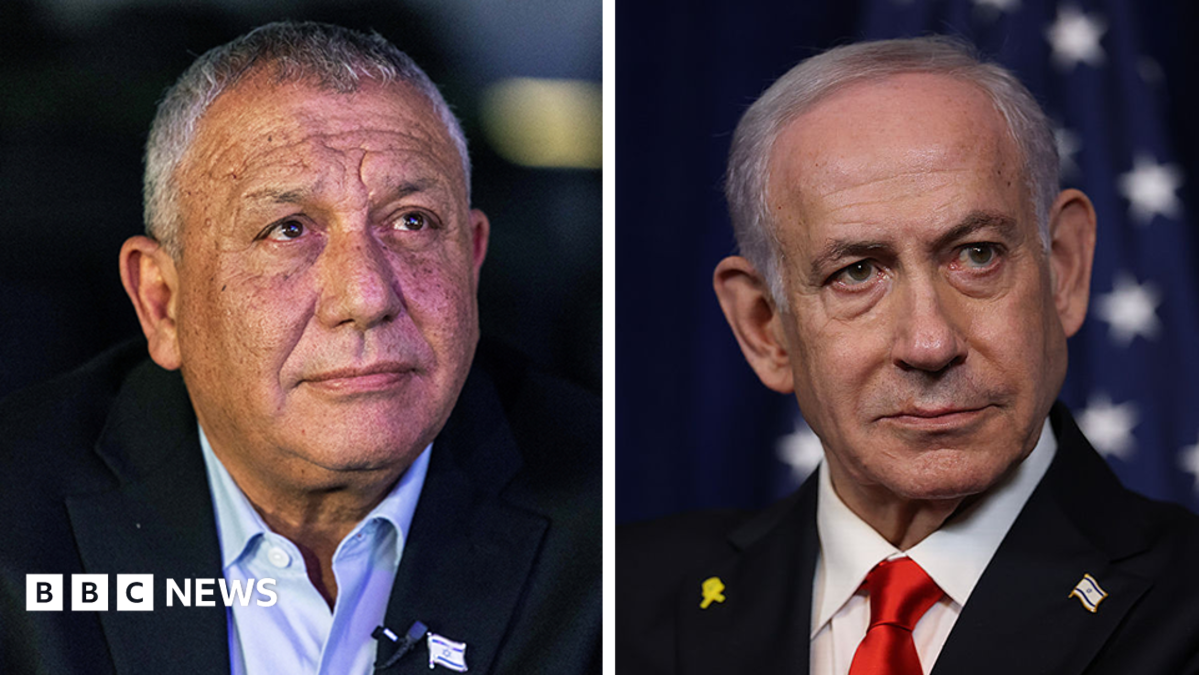
- The election centers on a tight race between the current government and the opposition bloc led by Gadi Eisenkot.
- National security, judicial reform, and the conscription of ultra-Orthodox citizens serve as the primary drivers of voter sentiment.
- The proportional representation system complicates the path to a majority, likely triggering protracted coalition negotiations.
- The absence of a clear winner could lead to further political gridlock, mirroring the instability seen between 2019 and 2022.
Background and Context
What just happened? The call for this election follows a period of extreme turbulence marked by the 7 October Hamas-led attacks, which fundamentally altered the Israeli security paradigm. Opposition figures have capitalized on this event, arguing that the incumbent leadership failed in its primary duty to protect the populace. This democratic process is now the mechanism through which the public addresses these grievances, alongside long-standing debates regarding the role of the judiciary and the influence of far-right coalition partners.
Root Cause and Deep Dive Analysis
Why did this happen? The intensity of this election is rooted in the erosion of political consensus. For decades, the security establishment and the civil government operated in a somewhat tandem fashion, but recent years have seen a radical shift toward ideological entrenchment. The opposition, under the umbrella of the “change bloc,” seeks to dismantle the current governing structure. Meanwhile, the incumbent continues to leverage his status as a security hawk, banking on his international relationships and strong rhetoric to maintain his base. These deep divisions are not merely electoral, they reflect a profound existential debate over what it means to be a secure, democratic, and inclusive society.
Additionally, the issue of military conscription has become a lightning rod for national discontent. The failure to enforce a Supreme Court ruling concerning the exemption of ultra-Orthodox students has created a palpable sense of injustice among those serving in the military. This internal friction, often eclipsed by external threats, is a central theme that the protest movements and voters have emphasized throughout the campaign cycle.
Strategic Implications and Future Impact
The strategic implications of this election extend far beyond the borders of Jerusalem. A change in leadership could signal a shift in how Israel approaches the regional security architecture, particularly concerning its strategy in Gaza and the West Bank. While most major parties share a hawkish security baseline, the methods of implementation vary significantly. Furthermore, the global perception of Israel, already under strain, will hinge heavily on the new administration’s stance on international legal obligations and the potential revival of diplomatic pathways. As noted in recent analysis, the country faces a delicate balancing act, as it must address domestic polarization while managing high-stakes geopolitical pressures from the United States and regional adversaries.
Conclusion and What to Watch Next
As the final ballots are counted, the prospect of an immediate government formation remains unlikely. The Israeli parliamentary system, designed to reflect diverse perspectives, often results in fragmented outcomes that require complex bargaining. Observers should keep a close watch on the coalition-building phase, as the potential for unexpected alliances remains high. If no single bloc secures a functional majority, the nation could once again descend into the cycles of instability that paralyzed its governance for years. The upcoming weeks will confirm whether the electorate has chosen to consolidate power under familiar leadership or attempt a radical change in direction.