
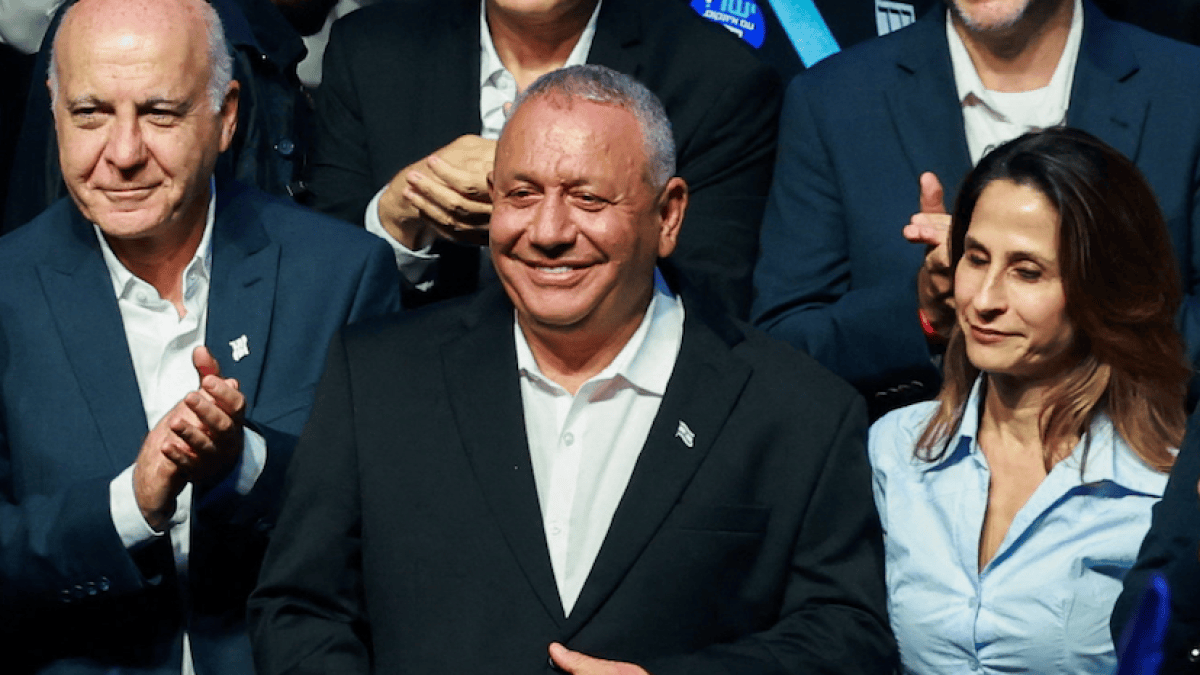
Netanyahu rival Eisenkot holds final rally before Israeli election
Introduction & Key Takeaways
As the nation stands at a critical juncture, Gadi Eisenkot has emerged as a central figure in the shifting landscape of Israeli politics. His final campaign rally, held this past Sunday, served as a potent call to action, with the former military chief stating firmly that his opponent, Benjamin Netanyahu, must step aside. This high stakes election represents more than a simple shift in governance; it is a fundamental test of the state’s direction following the profound trauma and geopolitical instability ignited by the events of October 7. Understanding the Gadi Eisenkot challenge is essential for grasping the future trajectory of the region.
Key takeaways from this developing political situation include:
- The election marks the first national contest in Israel since the October 7 attacks, creating a charged atmosphere of urgency and national re-evaluation.
- Gadi Eisenkot is positioning himself as a pragmatic, moderate alternative to the current administration.
- Voter sentiment remains divided, balancing security concerns against a desire for internal political reform and long term stability.
- As noted in broader analyses of regional power dynamics, who Israel elects matters, and not just for Israelis, given the country’s pivotal role in global Middle Eastern policy.
Background & Context (What Just Happened?)
The Israeli political landscape has undergone significant fragmentation in recent years. The current electoral cycle is defined by a deep sense of vulnerability and a public craving for structural change. Gadi Eisenkot, a decorated former chief of the Israel Defense Forces (IDF), has leveraged his reputation for stability and operational command to gain traction among voters weary of the status quo. By demanding that Netanyahu leave office, Eisenkot has sharpened the ideological divide. The campaign, which has been characterized by intense debates over security doctrines, has finally culminated in these closing rallies that signify the end of a grueling period of canvassing.
Root Cause & Deep Dive Analysis (Why Did This Happen?)
The rise of the Gadi Eisenkot candidacy is a direct response to the perceived failures within the current leadership framework. Following the October 7 attacks, a significant portion of the Israeli electorate began questioning the efficacy of existing security protocols. Many citizens now view the incumbent government’s policies as insufficient to handle the multi front threats facing the nation. Eisenkot represents a departure from the traditional hawkish discourse, offering a more nuanced, military-led perspective on statecraft. His strategy hinges on the belief that institutional integrity must be restored before the nation can effectively address its external security challenges.
Observers often link current electoral volatility to the broader global crisis of political trust, where traditional figures are increasingly viewed with skepticism by a younger, more dynamic generation. For further historical perspective on the importance of global elections, one might review insights on democratic systems that govern such transitions.
Strategic Implications & Future Impact (What Does This Mean Globally?)
A victory for the moderate alternative, as advocated by Eisenkot, could signal a realignment in how the international community engages with Israel. Many western allies have expressed concerns regarding the longevity of the current policies, suggesting that a change in leadership could open doors for renewed dialogue on regional de escalation. Furthermore, the Gadi Eisenkot momentum reflects a shift in internal priorities, where the electorate is showing a preference for candidates with direct experience in navigating crises. Whether this translates into a durable governing coalition remains an open question, yet the shift in public discourse is undeniable.
Conclusion & What to Watch Next
As the polls approach, the eyes of the world are fixed on how the Israeli public reconciles its security anxieties with its domestic political demands. The Gadi Eisenkot campaign has successfully inserted a moderate voice into the heart of the national conversation. Regardless of the immediate outcome, the ripple effects of this election will dictate the terms of engagement for years to come. Observers should continue to monitor the exit polls and the subsequent coalition negotiations, as these will provide the final word on whether a genuine shift in the political order has occurred.