
Obama slams Trump’s ‘cruelty and corruption’ at Ohio rally for Democrats
Introduction & Key Takeaways
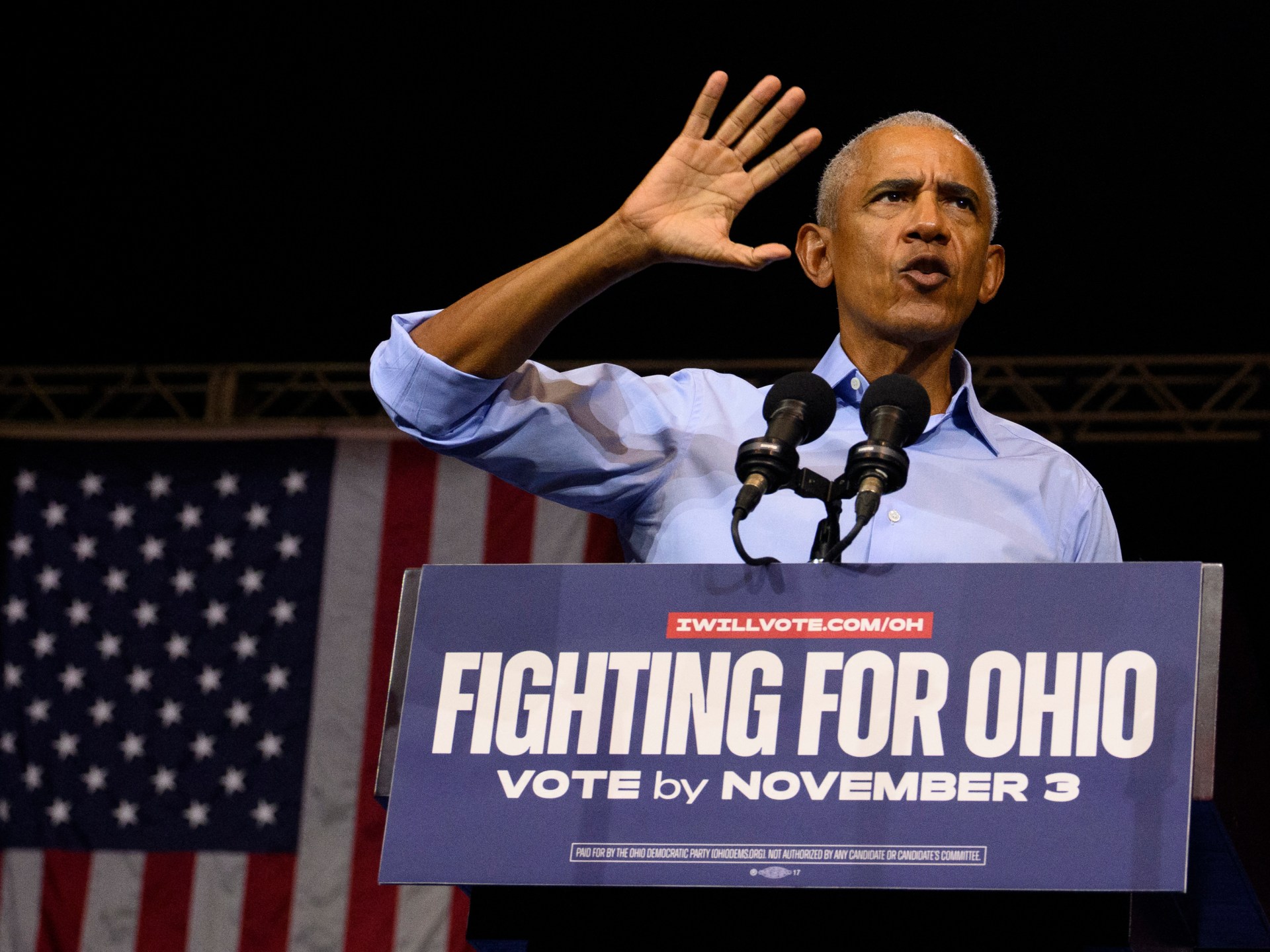
In a high-stakes campaign stop that signals the intensifying atmosphere of the 2026 political landscape, former President Barack Obama took the stage in Cleveland, Ohio, to rally support for Democratic candidates. During his speech, he leveled sharp criticism at the administration of President Donald Trump, specifically targeting what he described as a legacy of cruelty and corruption. As the nation approaches the critical US midterm elections, the political temperature has reached a boiling point, fueled by concerns over the ongoing US-Israel war on Iran and a series of inflammatory campaign tactics.
- Barack Obama accuses the current administration of systemic incompetence and moral failure.
- The US-Israel conflict with Iran has become a central pivot point for voter sentiment in the upcoming midterms.
- Ohio has emerged as a focal point for political warfare, evidenced by deeply personal attack advertisements in the gubernatorial race.
- The Democratic party is banking on a referendum approach to these elections, urging voters to reject the current status quo.
Background & Context: The Political Landscape of 2026
The 2026 midterm cycle represents a defining moment for the American electorate. With the shadow of the ongoing global geopolitical instability looming over domestic policy, the economy and foreign affairs have become inextricably linked. Obama, whose influence remains significant within the Democratic base, focused his rhetoric on the necessity of change. His visit to Ohio serves to bolster candidates such as former Senator Sherrod Brown and gubernatorial contender Dr. Amy Acton. These races are not merely local contests, but rather bellwethers for the national mood. The US midterm elections 2026 are being framed as a decisive opportunity for citizens to weigh in on the foreign policy decisions, specifically the military engagement in the Middle East, that have characterized the last two years.
Root Cause & Deep Dive Analysis: The War and the Rhetoric
Why has the rhetoric turned so vitriolic? The root cause lies in the perceived failure of current foreign policy to account for domestic stability. Obama highlighted the US-Israel war on Iran as an unnecessary entanglement, arguing that the decision to pursue this conflict was a strategic error with profound economic consequences. This sentiment reflects a broader anxiety within the American public regarding the cost of war and the potential for long-term regional destabilization. Beyond the policy, the behavior of political actors has plummeted to new depths. The recent controversy involving an attack advertisement by Vivek Ramaswamy, which targeted the personal history of Amy Acton, serves as a troubling illustration of the polarization currently gripping the nation. By involving family disputes and traumatic personal history in campaign messaging, the campaign has arguably crossed a threshold that complicates the already difficult task of governance.
Strategic Implications & Future Impact
The involvement of a former president in state-level races underscores the perceived fragility of Democratic control. Strategically, the focus on Ohio demonstrates that the party is not taking anything for granted, even in traditional strongholds. If the Democrats succeed in these races, it will likely be interpreted as a mandate against the administration’s aggressive foreign policy and a rejection of the harsh tactics utilized during the campaign season. Conversely, a failure to secure these seats could signal a permanent shift in the political landscape, potentially empowering the current administration to accelerate its current trajectory without legislative restraint. The ripple effects will be felt globally, as international allies and adversaries watch to see whether the United States will double down on its current posture or pivot toward a more restrained approach.
Conclusion & What to Watch Next
As the clock ticks toward November 3, all eyes remain fixed on Ohio. The state serves as a microcosm of a country struggling to reconcile its identity with its international obligations. While poll numbers suggest a narrow lead for Democratic hopefuls, the volatility of this cycle means that turnout will be the ultimate deciding factor. Voters are now left with a stark choice: maintain the current path or move toward a shift in leadership. As mentioned in past reports on the volatility of modern elections, specifically regarding the societal unrest observed in other nations, the stability of a democracy often depends on the civility of its internal debates. In the coming days, observers should watch for last-minute endorsements and the final flurry of media spending, which will surely prioritize the narrative of the war and the character of the candidates above all else.