
Palestinians face growing bans from Al-Aqsa as Israel tightens control
Introduction & Key Takeaways
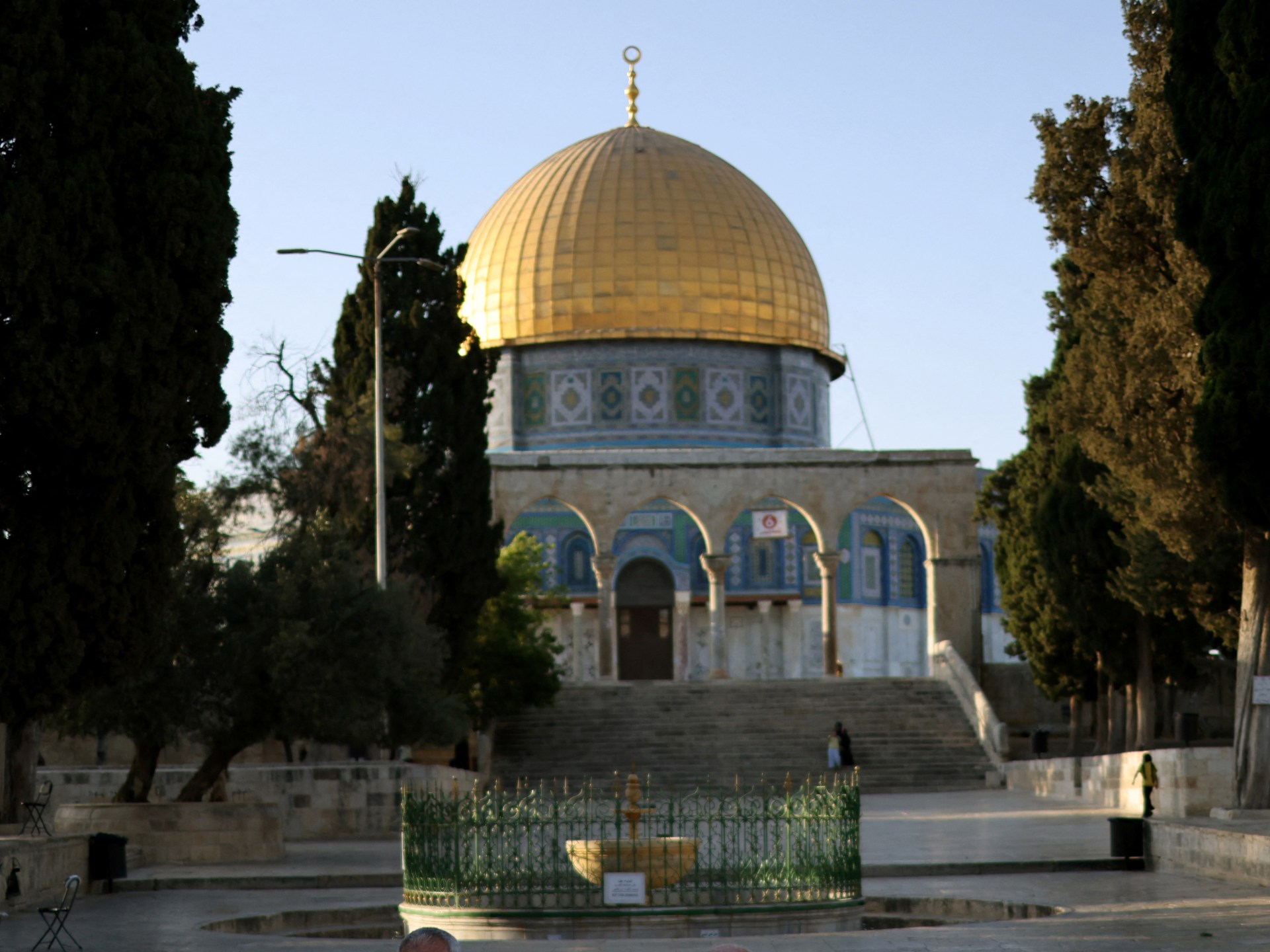
The situation at the Al-Aqsa Mosque has reached a critical juncture, as Al-Aqsa Mosque control becomes a focal point of intense geopolitical friction. Recent escalations include the systematic exclusion of prominent religious figures, such as Sheikh Ekrima Sabri, and a marked reduction in the operational authority of the Islamic Waqf. This shift is not merely administrative but represents a fundamental change in the religious and political landscape of occupied East Jerusalem.
- Sheikh Ekrima Sabri has been barred from the mosque until April 2027, signaling a hardening stance against Palestinian religious leadership.
- The Islamic Waqf reports a significant decline in its ability to manage the site, including the restriction of its guards and the obstruction of maintenance work.
- The recurring usage of administrative exclusion orders has targeted over 1,000 Palestinians, limiting their fundamental right to worship.
- Increased access for far-right Jewish activists is perceived as a direct challenge to the longstanding status quo at the site.
Background & Context
To understand the current volatility, one must look at the history of the site. Al-Aqsa, as noted by Wikipedia, stands as the third holiest site in Islam. Since 1967, the delicate balance of administration has been maintained by the Islamic Waqf, while Israeli authorities have managed perimeter security. However, the events of 2026 have pushed these boundaries. Following a forty-day closure earlier this year, the site has seen a surge in settler visits, which have evolved from passive tours into organized religious rituals, causing deep alarm among Palestinian residents and the international community.
Root Cause & Deep Dive Analysis
The core of the struggle revolves around the erosion of the status quo. The Israeli policy of issuing exclusionary orders, often cited as a security measure, has effectively neutralized key voices within the Palestinian community. By removing figures like Sheikh Sabri, authorities aim to diminish the Palestinian symbolic connection to the site. This strategy is compounded by the systematic arrest of Waqf employees, which forces a vacuum in administration, effectively shifting control toward Israeli security apparatuses. Experts argue that this is a deliberate policy to alter the demographic and religious identity of East Jerusalem.
Strategic Implications & Future Impact
The implications of tightening Al-Aqsa Mosque control are regional in nature. As the Islamic world watches the restriction of access for Muslim worshippers, the potential for wider social unrest grows. Arab ministers have held emergency meetings to discuss these developments, viewing them as illegal infringements on the city’s religious identity. If these trends continue, the erosion of the Waqf’s role may lead to a permanent fracturing of religious governance, potentially triggering a long-term escalation that could transcend local borders and influence diplomatic relations across the Middle East.
Conclusion & What to Watch Next
Moving forward, the primary concern remains whether the current administrative constraints will become permanent fixtures of the site. Observers should watch for further legislative efforts to divide access to the compound or increase the military presence within its gates. The resilience of the Palestinian population in maintaining their physical presence will be tested against these aggressive policies. Ultimately, the future of the site rests on whether international pressure can compel a return to the established status quo, or if the current drift toward unilateral control continues to destabilize the region.