
Pete Fry projected to be next mayor of Vancouver, beating out Ken Sim
Introduction & Key Takeaways
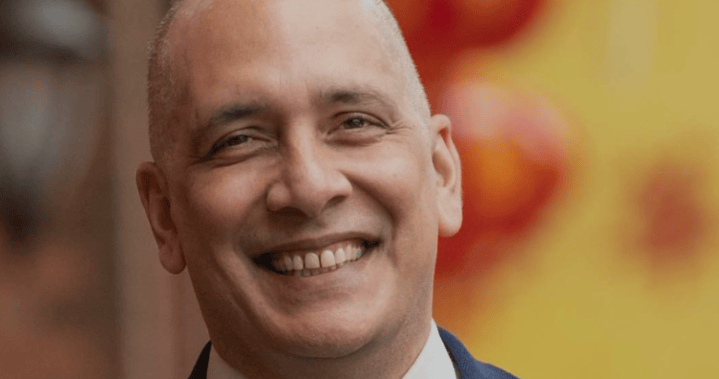
In a significant shift for British Columbia politics, Pete Fry is projected to be the next Vancouver mayor. The electoral outcome marks a clear departure from the leadership of incumbent Ken Sim, signaling a public mandate for change in the city council chambers. This political transition arrives during a broader period of municipal turbulence across the province, where voters are expressing a growing desire for fresh approaches to governance.
- Pete Fry has secured a projected victory in the Vancouver mayoral race.
- The incumbent, Ken Sim, formally conceded while reflecting on the heavy toll of public service.
- Colleen Hardwick and Kareem Allam rounded out the top finishers in an election characterized by a desire for strategic realignment.
- The shift in leadership coincides with broader electoral volatility, similar to political tensions seen in France during recent civil unrest.
Background & Context (What Just Happened?)
The municipal election cycle in Vancouver concluded with voters opting for a new direction. Pete Fry, a prominent figure in local politics, managed to consolidate support from constituents dissatisfied with the existing administration. For many observers, the campaign was defined by debates over housing affordability, public safety, and infrastructure development. The incumbent, Ken Sim, accepted the results with grace, noting that he recognized the electorate’s move toward alternative policies. This transition period is vital as the city prepares for a transfer of power, an event that carries heavy historical weight for a metropolis navigating rapid demographic and economic shifts.
Root Cause & Deep Dive Analysis (Why Did This Happen?)
The rise of Pete Fry as the projected winner is not an isolated event. It is a reflection of a growing disconnect between urban policy implementation and the immediate needs of residents. When citizens perceive that the municipal machinery is slowing down or becoming detached from their lived experiences, they naturally gravitate toward candidates promising direct action. Much like the complex dynamics described in the life of historical figures who faced extraordinary circumstances, modern mayors are often judged by their ability to navigate legacy challenges while managing shifting public expectations. The competition in this race was stiff, featuring seasoned candidates who each brought distinct visions for the future of Vancouver.
Strategic Implications & Future Impact (What Does This Mean Globally?)
Vancouver operates within a broader global framework of cities struggling with rapid urbanization and the rising cost of living. The success of Pete Fry will likely be measured by his administration’s ability to balance fiscal responsibility with aggressive social policy. International observers, particularly those tracking municipal governance models, will view this transition as a case study in democratic accountability. If the new administration successfully navigates the complexities of the city’s budget and social welfare goals, it could provide a blueprint for other metropolitan areas facing similar pressures. Conversely, any failure to deliver on promised changes will only accelerate political fatigue among voters who are increasingly active and critical of their leaders.
Conclusion & What to Watch Next
As the transition begins, the immediate focus shifts to the appointment of key staff and the drafting of the inaugural legislative agenda. Pete Fry has promised a proactive approach, but the reality of municipal governance often necessitates compromise. Observers should keep a close watch on the new mayor’s relationship with the existing city council, as a collaborative environment will be essential for passing meaningful reform. The coming months will be critical in determining whether the momentum behind his victory translates into lasting structural improvements for the citizens of Vancouver.