
PM Modi Calls ‘Mann Ki Baat’ A Pilgrimage, Says Programme Celebrates Contributions Of Ordinary Indians
Introduction & Key Takeaways
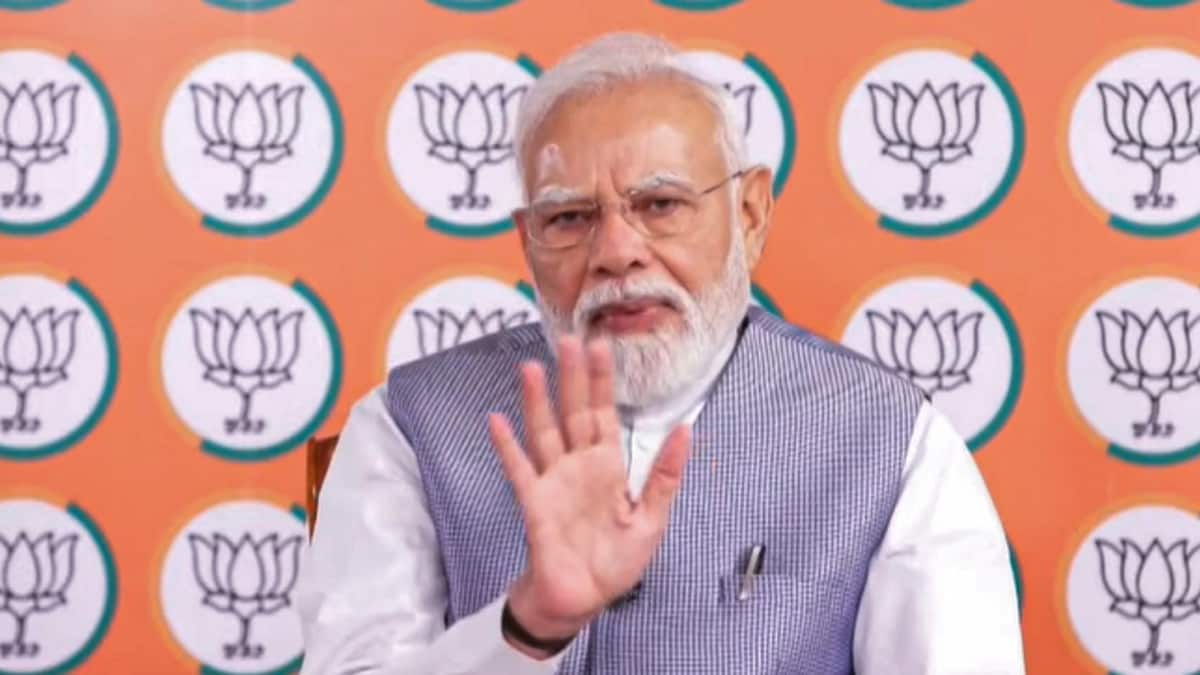
Prime Minister Narendra Modi recently described his monthly radio programme, Mann Ki Baat, as a “pilgrimage” during its 139th episode. This term reflects the deep personal and political connection the leader seeks to foster with the citizens of India. By providing a platform for local heroes, the programme has transcended traditional governance communication to become a cultural institution in its own right. Understanding Mann Ki Baat requires examining how state messaging integrates with grassroots storytelling to shape national identity.
- The programme recently celebrated 12 years of uninterrupted broadcasting.
- The Prime Minister uses this platform to amplify grassroots success stories.
- Key focus areas include environmental conservation, traditional agriculture, and social service.
- It serves as a primary communication bridge between the administration and the public.
Background & Context
Launched over a decade ago on the auspicious day of Vijayadashami, the programme has maintained a consistent schedule, a feat rare in modern political communication. While many leaders rely on press conferences or social media soundbites, this radio format leverages the massive reach of All India Radio to touch the lives of those in rural and urban areas alike. For further historical context on similar national communication strategies, readers can consult Encyclopedia Britannica for insights on government messaging.
Root Cause & Deep Dive Analysis
Why does such a programme resonate so strongly in the Indian context? The answer lies in the curation of narratives. By shifting the focus away from policy jargon and toward the “ordinary Indian,” the administration creates a sense of shared purpose. In the 139th episode, the Prime Minister highlighted specific initiatives, such as the revival of the Heval River in Uttarakhand and traditional farming techniques in Punjab. These stories are not just local news, but symbols of collective agency. This approach is reminiscent of how some political entities utilize welfare messaging to build public support. By framing the programme as a “pilgrimage,” the Prime Minister elevates the act of listening to, and speaking about, citizens to a sacred, duty-bound activity.
Strategic Implications & Future Impact
The strategic value of Mann Ki Baat cannot be overstated. It provides the administration with a direct channel that bypasses traditional media filters. This allows the government to set the agenda, focusing on topics like sustainability, cultural heritage, and community empowerment. As the program continues, it will likely continue to influence how public policy is received, as citizens see their own local efforts validated by the highest office in the country. This creates a feedback loop where community activism feels recognized, thereby encouraging further civic participation.
Conclusion & What to Watch Next
As Mann Ki Baat moves into its next phase, the challenge will remain to balance storytelling with pressing policy demands. Whether it evolves into a more interactive platform or remains a broadcast of curated successes, its impact on the national discourse is cemented. Observers should watch for how upcoming episodes incorporate emerging technology, or how it addresses broader national debates, to see if the “pilgrimage” maintains its current resonance with the electorate.