
Relief For Bengalureans As Metro Pink Line Gets Safety Clearance: PM Modi Likely To Inaugurate On November 15
Introduction and Key Takeaways
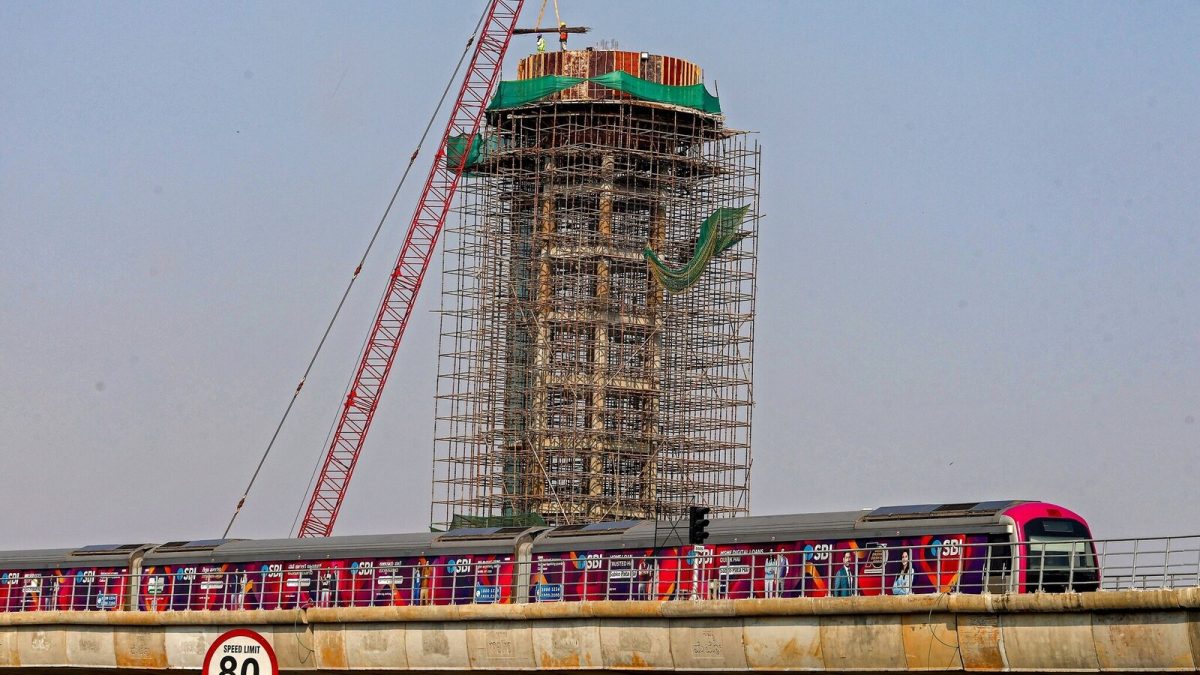
The urban landscape of India’s tech capital is set for a significant transformation as the Bengaluru Metro Pink Line has officially secured its critical safety clearance. This milestone, granted by the Commissioner of Metro Railway Safety (CMRS), effectively clears the path for the long-awaited inauguration of the 7.38-kilometer elevated stretch connecting Kalena Agrahara to Tavarekere. Prime Minister Narendra Modi is widely expected to preside over the inauguration ceremony on November 15, 2026, marking a turning point for thousands of commuters who navigate the city’s dense traffic corridors daily.
- The 7.38-kilometer elevated section has successfully passed stringent safety audits and speed trials.
- The Commissioner of Metro Railway Safety has mandated specific operational conditions, including strict speed limits on platforms.
- This development represents a major step toward finishing the comprehensive Phase II project that aims to link south and north Bengaluru.
Background and Context: What Just Happened?
The Bengaluru Metro project, often referred to as Namma Metro, has been a central pillar in the city’s effort to modernize public transit. The recent regulatory nod for the Pink Line follows months of meticulous inspections. On October 28, 2026, the CMRS issued an order permitting the opening of the double-line section, which features six newly constructed stations. These facilities, ranging from Kalena Agrahara to Tavarekere, are equipped with modern 750V DC electric traction technology to ensure efficient service delivery. The path to this clearance involved rigorous testing, including OMS 2000 system trials conducted on October 27, where test trains reached speeds of 90 kmph.
Root Cause and Deep Dive Analysis
Why is this specific stretch so vital for the city? Bengaluru faces unique logistical challenges stemming from rapid, unplanned urbanization. The expansion of metro lines is not merely a construction achievement but an economic necessity to reduce carbon emissions and vehicle dependency. While previous segments have focused on core arterial roads, the Bengaluru Metro Pink Line is engineered to alleviate pressure on the chronically congested Bannerghatta Road corridor. The CMRS, in its approval, has balanced the urgency of public demand with rigorous safety mandates. Operations are restricted to Grade of Automation 2 (GoA2), with a speed cap of 60 kmph within stations to ensure passenger safety during boarding and alighting. Furthermore, the Bangalore Metro Rail Corporation Limited (BMRCL) is under strict instructions to provide regular reports during the initial phase to maintain high performance standards.
Strategic Implications and Future Impact
The long-term success of the Bengaluru Metro Pink Line rests on its eventual connectivity to Nagawara in the north. This project acts as a strategic backbone for the city’s integration. As the southern and central parts of the city become better connected, we expect to see a surge in real estate development and localized economic activity around the new transit hubs. Moreover, efficient mass transit systems are essential for maintaining the competitive advantage of Bengaluru as a global technology hub. When combined with other major infrastructure projects in the city, such as those discussed in recent reports regarding public welfare and infrastructural advancement, it becomes clear that state authorities are prioritizing mobility as a key indicator of development.
Conclusion and What to Watch Next
As we approach the anticipated November 15 inauguration, all eyes will be on the operational stability of these six new stations. The BMRCL faces the critical task of maintaining service reliability during the initial weeks of public usage. Commuters should observe how the integration of the new line influences overall travel times and whether the promised relief in congestion manifests as expected. Moving forward, the focus will shift entirely to the remaining underground sections of the corridor, which remain the final hurdle in creating a seamless transit spine through the heart of the city.