Tehran, Iran – In a significant shift signaling a potential loosening of its grip on one of the world’s most vital maritime chokepoints, Iran has declared that Iraqi vessels are now permitted unrestricted passage through the Strait of Hormuz. This pronouncement, coming amid heightened regional tensions and a substantial disruption to global energy flows, marks a crucial development in the ongoing saga surrounding the strategic waterway.
The directive, issued by Iran’s Khatam al-Anbiya Central Headquarters, explicitly exempts Iraq from all existing navigation controls. Such restrictions, the military command stated, will now apply exclusively to “enemy countries.” This decision appears to be a direct nod to Baghdad’s perceived stance against the United States, with the Iranian military leadership expressing profound respect for Iraq’s sovereignty and commending its “struggle against the US.”
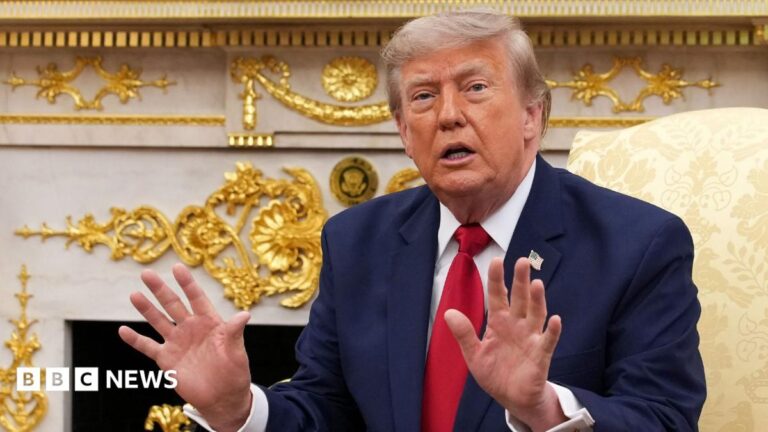
This unexpected move follows a period of intense pressure, including a stark warning from US President Donald Trump. He had demanded Tehran either negotiate or relinquish control of the waterway, threatening dire consequences within 48 hours. Iran swiftly dismissed Trump’s ultimatum as a “helpless, nervous, unbalanced and stupid action,” refusing to bow to the external pressure.
Impact on Strait of Hormuz Transits and Global Markets
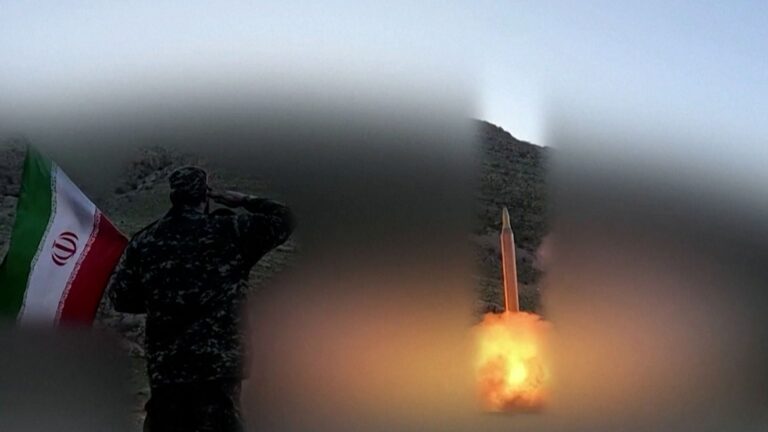
Since late February, when the US and Israel reportedly initiated a conflict with Iran, the Strait of Hormuz has been largely blockaded by Tehran. This strategic passage typically funnels a staggering one-fifth of global oil and liquefied natural gas supplies. The ensuing disruption has sent shockwaves through international energy markets, triggering soaring fuel prices and prompting emergency conservation efforts across numerous nations.
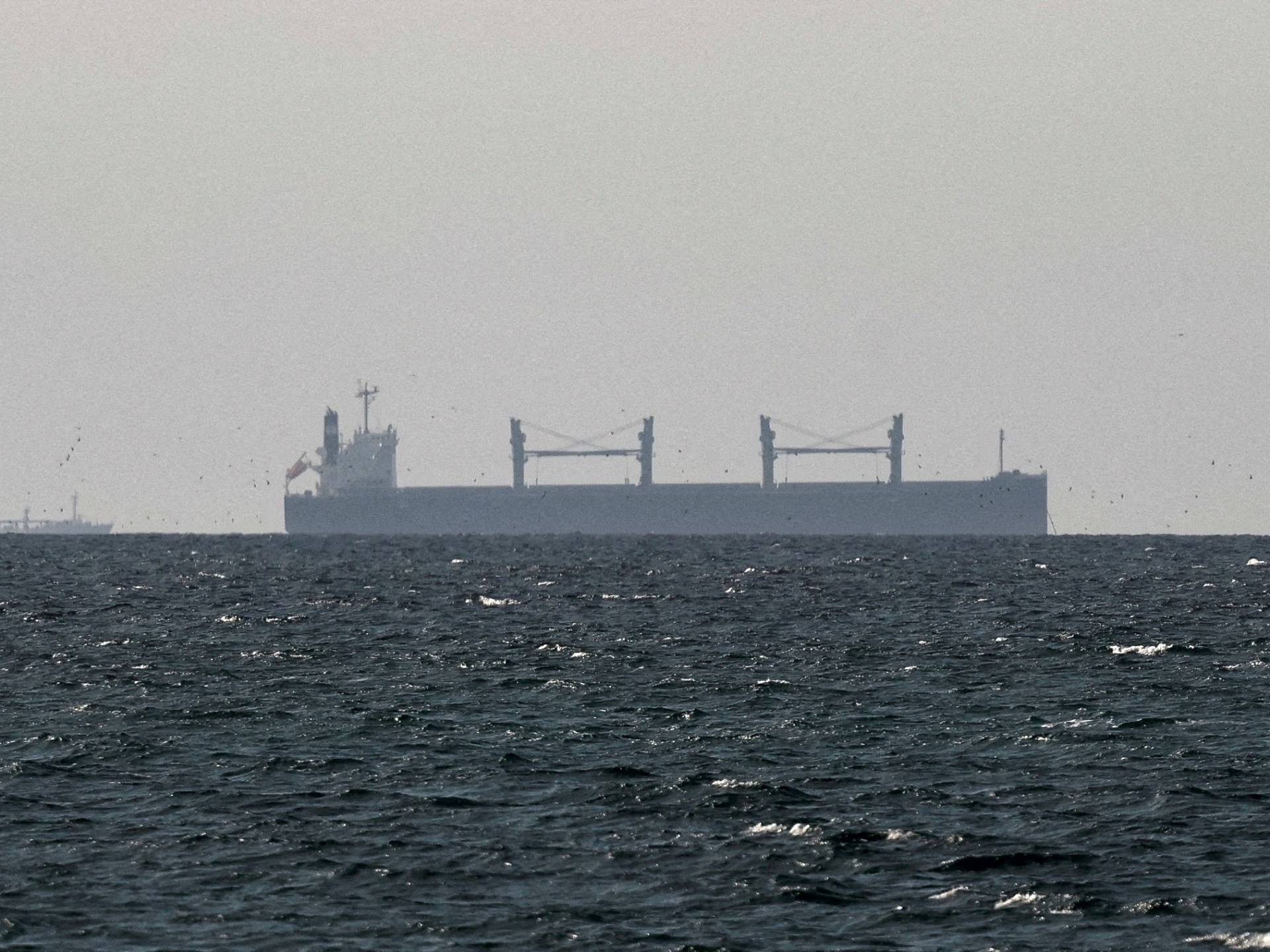
While a de facto toll booth system implemented by Tehran has allowed a marginal uptick in maritime activity recently, overall traffic remains more than 90 percent below pre-conflict levels. Ship tracking data reveals a modest increase to 53 transits last week, up from 36 the week prior, according to Lloyd’s List Intelligence. Notably, a French container ship and a Japanese-owned tanker successfully navigated the passage just days ago, marking the first recorded transits by those nations since the hostilities began.
The global benchmark, Brent crude, has stubbornly hovered above $109 a barrel. Analysts widely anticipate a much steeper climb if the Strait of Hormuz isn’t fully unblocked soon, with severe repercussions for an already volatile global economy.
Iraq, heavily reliant on oil exports for its national revenue, has been particularly devastated by the blockade. Its Ministry of Oil reported a drastic plunge in production last month, from 4.3 million barrels per day to a mere 1.2 million, largely due to the crippled export capacity through the strait. As the world’s sixth-largest oil producer in 2023, supplying 4 percent of global demand, Iraq’s diminished output reverberates through the entire global energy supply chain. For more context on the broader implications of geopolitical events on such vital commodity flows, understanding the dynamics of international energy security is crucial.
About the Author