In a dramatic escalation of ongoing regional tensions, the United States has reportedly unleashed fresh Iran strikes on the nation’s southern territories. These targeted operations, occurring just this Monday, aimed squarely at Iranian missile sites and vessels allegedly attempting to deploy sea mines. The intricate dance of diplomacy and conflict continues, with these latest actions casting a long shadow over already delicate peace negotiations.
Understanding the Latest Iran Strikes
US Central Command (Centcom) swiftly issued a statement, asserting these military maneuvers were undertaken in “self-defense” to safeguard American forces from “threats posed by Iranian forces.” Yet, even as bombs fell, Centcom spokesperson Capt. Tim Hawkins emphasized a continued commitment to restraint amidst an existing ceasefire. The targets, confirmed by Captain Hawkins and detailed by the New York Times, were situated near Bandar Abbas—a pivotal southern port city and a key Iranian naval base strategically located on the Strait of Hormuz. Local Iranian media, meanwhile, reported unsettling explosions in the area, prompting officials in Bandar Abbas to launch immediate investigations.
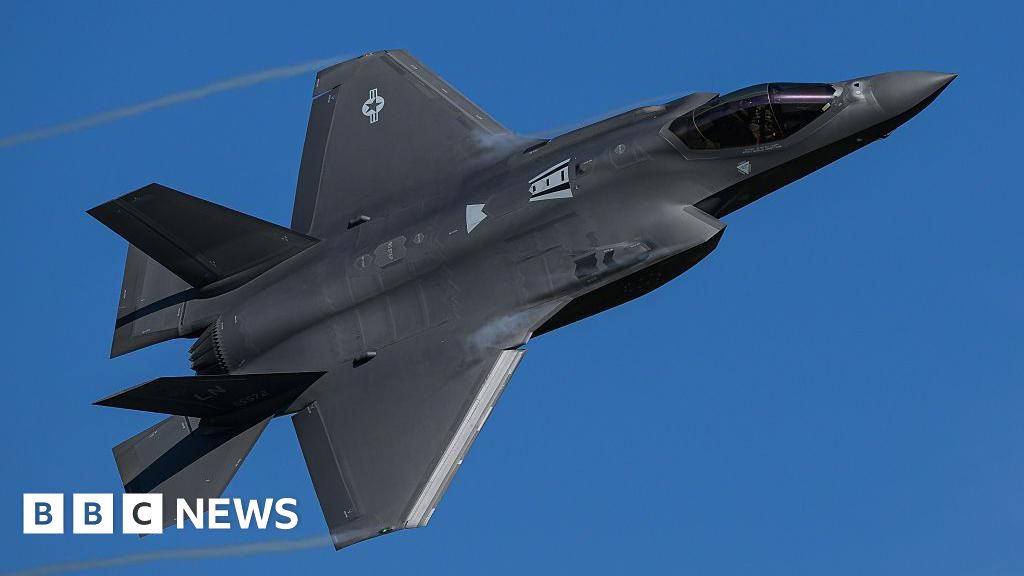
In a swift and indignant retort, Iran’s Islamic Revolutionary Guard Corps (IRGC) declared it had successfully downed a US drone and engaged a fighter jet along with another unmanned aerial vehicle that had transgressed Iranian airspace. State media quoted the IRGC affirming Iran’s “legitimate and definite” right to retaliate against any perceived ceasefire breaches by the United States. This back-and-forth volley underscores the deeply entrenched mistrust plaguing the region.
Diplomacy on the Razor’s Edge
The ramifications of these recent Iran strikes on the fragile prospect of a peace agreement remain acutely uncertain. Despite the renewed hostilities, US Secretary of State Marco Rubio expressed a glimmer of hope, pointing to ongoing discussions between Iran’s chief negotiator, its foreign minister, and Qatar’s prime minister. “We’ll see if we can make progress,” Rubio mused during a visit to India, acknowledging the extensive back-and-forth over specific language in initial documents. President Donald Trump, he added, remains committed to securing “a good deal or no deal.”
Rubio’s comments on the critical Strait of Hormuz were unambiguous: “The straits have to be open. They’re going to be open one way or the other, so they need to be open. What’s happening there is unlawful, it’s illegal, it’s unsustainable for the world, it’s unacceptable.” This stark declaration highlights the global economic importance of the waterway, frequently disrupted by regional tensions.
Conversely, Iran’s Supreme Leader Mojtaba Khamenei, making his first public comments since succeeding his late father, delivered a powerful message during the annual Hajj pilgrimage. He proclaimed the Middle East “will no longer serve as shields for US bases,” adding that “America is moving away from its previous status day by day.” This divergent rhetoric illustrates the vast ideological chasm separating the two nations.
The ongoing memorandum of understanding reportedly encompasses a 60-day ceasefire extension, the imperative reopening of the Strait of Hormuz, and a framework for future negotiations regarding Iran’s controversial nuclear program. US intelligence suggests Supreme Leader Khamenei, reportedly injured in an earlier Israeli strike, is in an undisclosed location, complicating communications and potentially decelerating the pace of negotiations. The International Atomic Energy Agency has previously reported Iran holding significant quantities of uranium enriched up to 60% purity, perilously close to weapons-grade levels. This issue remains a monumental hurdle for any comprehensive agreement.
With both sides entrenched and issuing stern warnings, the path to a lasting peace remains fraught with peril. The world watches with bated breath as these high-stakes negotiations unfold against a backdrop of escalating military actions, including the latest round of Iran strikes.
About the Author