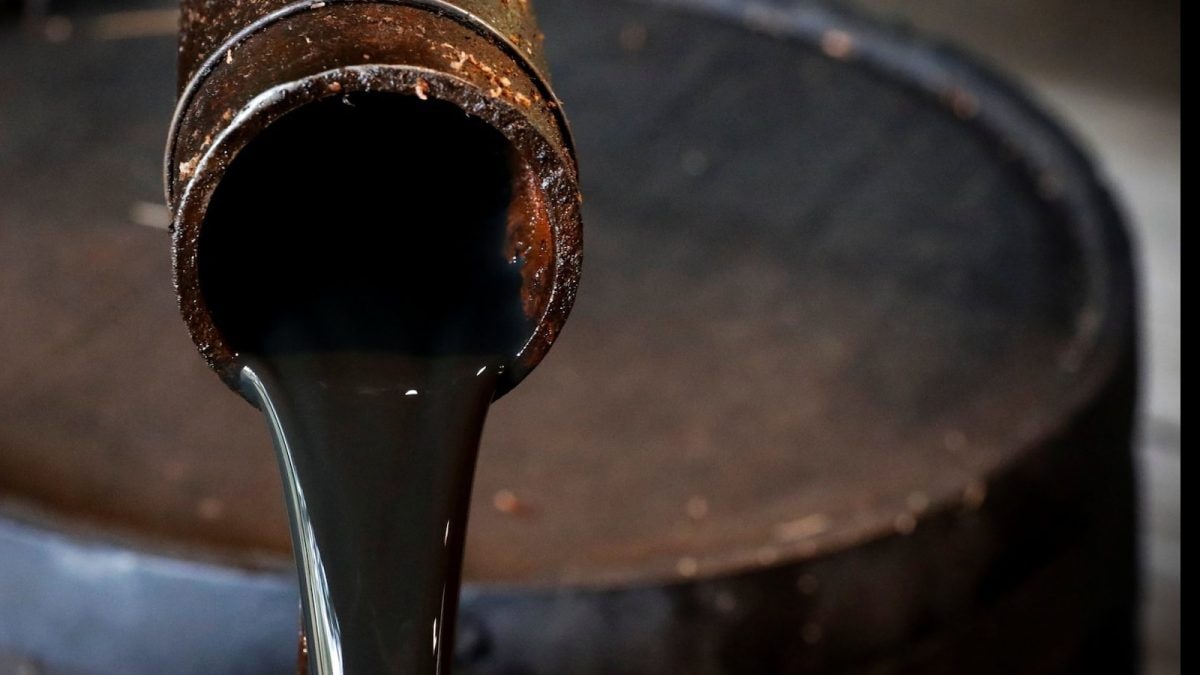
Amidst the unsettling backdrop of escalating West Asia conflicts, which continue to ripple across global energy supplies, Oil India Ltd. has achieved a significant milestone. The state-owned enterprise has dramatically ramped up Thar crude output from Rajasthan’s rugged Thar Desert, hitting an unprecedented 1,202 barrels per day from the crucial Jodhpur sandstone formation. This remarkable surge provides a vital domestic boost during a volatile period.
The Baghewala field, nestled within the Jaisalmer district, has not merely grown; it has flourished. Its consistent upward trajectory is a testament to meticulous operational enhancements and the pioneering application of cutting-edge extraction methodologies. These strategic improvements are yielding tangible results, bolstering India’s energy independence.
Officials, speaking to PTI, confirmed the logistical chain: crude oil harvested from this pivotal site is meticulously transported via tankers to Oil and Natural Gas Corporation (ONGC) facilities in Mehsana, Gujarat. From there, a network of pipelines ferries the precious resource onwards to the Koyali refinery, operated by Indian Oil Corporation Ltd. This intricate dance of logistics ensures the extracted oil reaches its destination efficiently.
The financial year 2025–26 paints a clear picture of this success. Oil India’s operations in Rajasthan delivered a robust 43,773 metric tonnes of crude oil, a substantial leap from the 32,787 metric tonnes recorded in the preceding year. This impressive uptick unequivocally showcases superior performance, underpinned by astute technological upgrades and refined field management practices.
Innovations Driving Thar Crude Output
Company executives highlight Cyclic Steam Stimulation (CSS) as the primary catalyst for this accelerated growth. This thermal recovery process is indispensable for coaxing thick, high-viscosity crude from the earth. Operating amidst the unforgiving geological panorama of the Thar desert presents formidable challenges, yet the resounding success underscores the immense, previously untapped potential inherent in these demanding reserves. The commitment to maximizing Thar crude output has driven these advancements.
The Baghewala field itself, a rare onshore heavy oil deposit in India, is situated within the Bikaner-Nagaur sub-basin. Oil India has already completed CSS operations in 19 wells, a 72 percent increase year-over-year. Furthermore, drilling activities have intensified, with 13 new wells added this year, surpassing the nine drilled previously. This aggressive expansion speaks volumes about the strategic importance of this region.
A suite of advanced technologies has been deployed, marking a first for India’s heavy oil sector. Innovations like fishbone drilling and barefoot completion are now standard practice. Complementing these are electric downhole heaters, robust hydraulic sucker rod pumps, and high-temperature thermal wellheads, all meticulously integrated to optimize production. These tools are critical in sustaining the impressive Thar crude output.
Traditional extraction methods often prove futile against the stubborn, thick crude characteristic of this region. Consequently, officials explain, the company has embraced alternative solutions. Diluent injection and sophisticated artificial lift systems are now routinely employed, ensuring consistent output despite the inherent geological complexities. For a deeper dive into understanding global energy markets, explore the International Energy Agency’s resources.
Oil India initiated production from the Baghewala field in 2017, although its discovery dates back to 1991. Spanning over 200.26 square kilometers, the field currently boasts 52 wells, 33 of which are actively operational. The CSS technology, initially trialed in 2018, has been instrumental in scaling up production to its current levels, playing a pivotal role in India’s quest for energy self-reliance.
About the Author