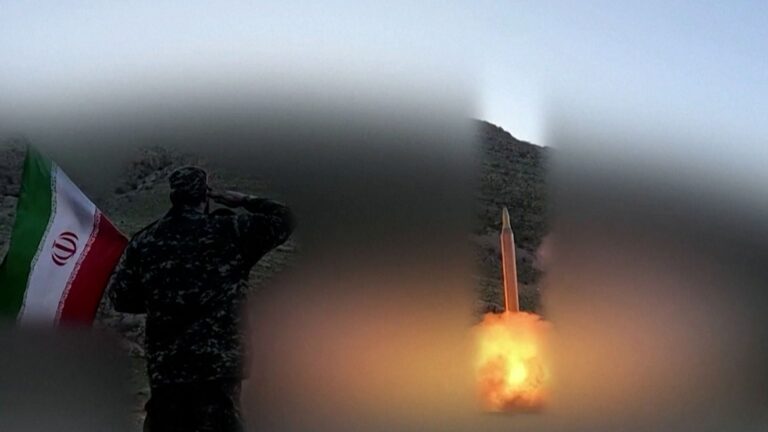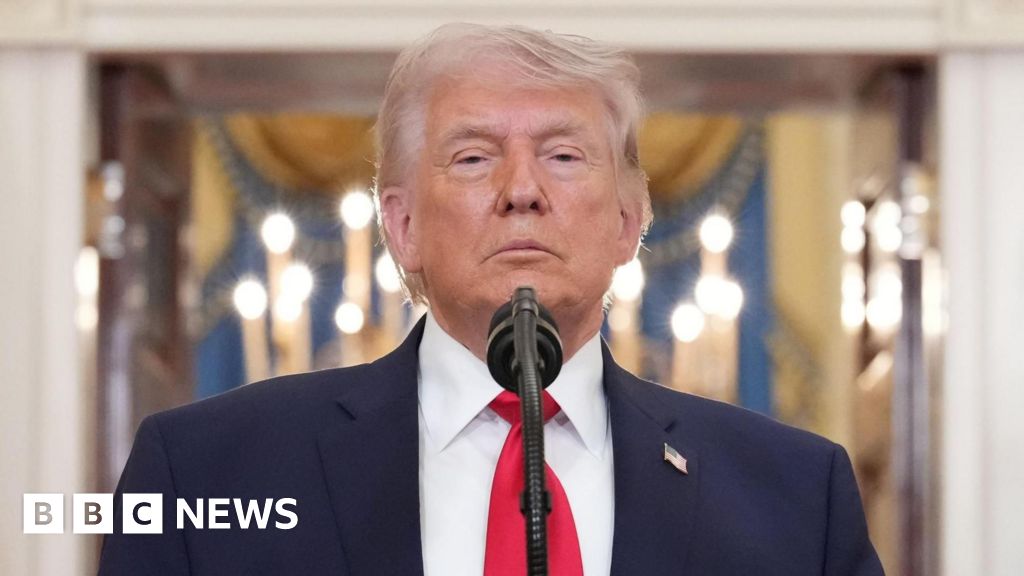
President Donald Trump has unleashed an extraordinary, expletive-laden social media tirade against Iran, threatening devastating strikes if Tehran fails to reopen the critical Strait of Hormuz to international shipping by Tuesday. This latest escalation comes amidst a month of heightened regional conflict, propelling an already volatile situation into even more precarious territory.
“Tuesday will be Power Plant Day, and Bridge Day, all wrapped up in one, in Iran. There will be nothing like it!!! Open the Fuckin’ Strait, you crazy bastards, or you’ll be living in Hell – JUST WATCH!” Such was the unfiltered message from the US President on his Truth Social platform. He reiterated earlier warnings of “hell” for the Islamic Republic, yet paradoxically suggested to US media that a “good chance” of a deal remained possible.
Tehran, for its part, swiftly dismissed the ultimatum as “helpless, nervous, and stupid,” mocking the American leader’s pronouncements. This new deadline, an apparent extension from an earlier Monday expiry, follows several similar postponements by Trump since March 21, when he initially vowed to “obliterate” Iran’s power plants within 48 hours.
These threats surfaced just after Trump announced the successful rescue of the second crew member from a US fighter jet downed over Iran. The complex operation, deep within hostile territory, saw the serviceman recovered from a mountainous region in southwestern Iran. His fellow pilot had been retrieved days earlier after the F-15 was shot down on Friday. This daring mission undoubtedly adds a layer of complexity to the already volatile situation.
The Critical Importance of the Strait of Hormuz
The Strait of Hormuz is no mere waterway; it is an indispensable global artery. Roughly one-fifth of the world’s oil and natural gas transits this narrow passage, making its free flow absolutely vital to global energy markets. Iran’s actions in impeding shipping here have already sent shockwaves through the world economy, triggering skyrocketing oil prices and fueling fears of widespread inflation. The international community watches with bated breath, understanding the profound economic ramifications should this blockade persist. The ongoing disruptions in the Strait of Hormuz only serve to exacerbate an already precarious security environment across the Middle East.
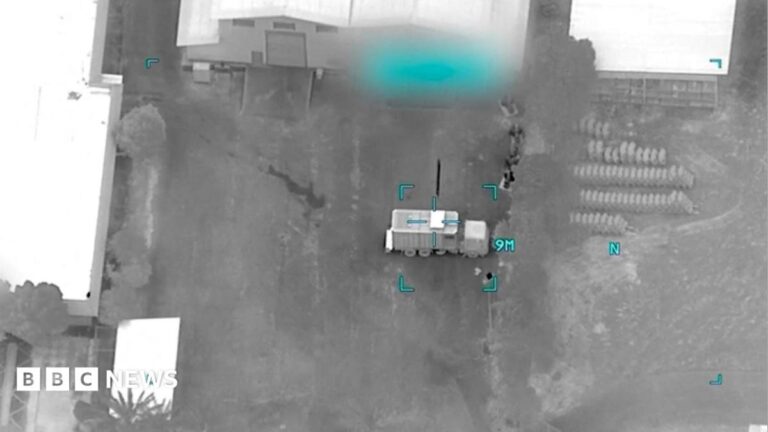
Beyond the verbal sparring, the region has been ablaze with tangible conflict. Iran continues its barrage of drones and missiles against Israel and US Gulf allies, a direct response to US and Israeli airstrikes. Recently, a petrochemical facility in Mahshahr County was struck, and Sunday saw the Qasem Soleimani International Airport targeted.
Israel, too, has been active, reportedly striking civilian infrastructure and awaiting US clearance for further attacks on energy facilities. The city of Haifa in Israel sustained a direct ballistic missile hit on Sunday, injuring four individuals. Incidents in Abu Dhabi and Kuwait also point to widespread regional instability, with petrochemical and oil facilities suffering damage from Iranian projectiles. This dangerous dance of retaliation shows no sign of abating. For more on the economic impact, see a detailed analysis of global oil markets.
About the Author