The Middle East simmers on the precipice of unimaginable escalation. With mere hours ticking down until a new, perilous deadline imposed by United States President Donald Trump, international mediators are engaged in a desperate, last-ditch effort to broker an Iran ceasefire plan. Trump, in a characteristically explosive Truth Social post, has vowed to obliterate Iranian bridges and power plants by Wednesday morning if the vital Strait of Hormuz remains closed.
This latest ultimatum, laden with profanity, follows a pattern of saber-rattling that has defined the ongoing US-Israel conflict with Iran. Since March 21, Trump has repeatedly announced — then mysteriously deferred — threats to devastate Iran’s energy infrastructure, each time citing phantom negotiations that Tehran vehemently denies ever occurred. The looming deadline, set for 8 PM ET Tuesday, or 3:30 AM local time in Iran on Wednesday, injects a terrifying urgency into an already volatile situation.
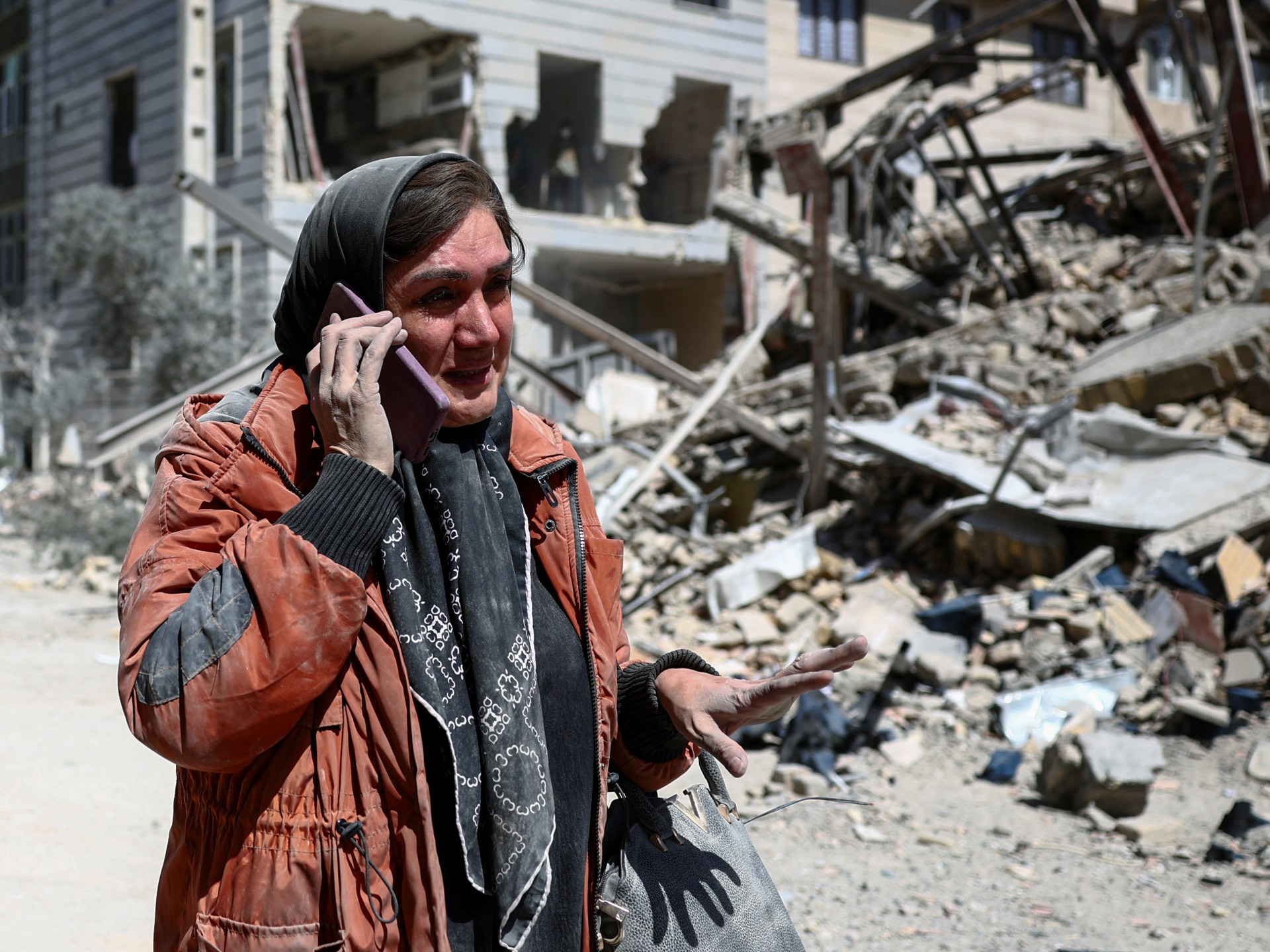
The human cost of this protracted conflict is staggering. Over 2,000 lives have been extinguished in Iran alone, a grim tally mirrored by nearly 1,500 casualties in Israel’s war on Lebanon, and hundreds more across Iraq, Israel, and Gulf nations. The recent high-risk rescue of a downed F-15 pilot underscores the direct engagement of US forces, adding another layer of peril. Can diplomacy, against such a backdrop of destruction and impending catastrophe, possibly carve out a path to de-escalation?
Mediating powers, including Pakistan, Egypt, and Turkiye, are working tirelessly. Their immediate goal: to secure a breakthrough, however partial, that might at least postpone the horrifying prospect of further military action by Washington. The stakes, frankly, could not be higher for regional and global stability.
The Evolving Iran Ceasefire Plan: A 45-Day Proposal
A glimmer of hope has emerged from the diplomatic shadows. Sources close to the mediation efforts confirm to Al Jazeera the existence of a proposal for a 45-day Iran ceasefire plan. This initiative aims to provide a critical, extended window for the United States and Iran — either directly or through intermediaries — to engage in substantive discussions. The ultimate objective, naturally, is to bridge their profound differences and forge a long-term agreement that can finally bring this devastating war to an end.
However, official responses remain guarded. Pakistan, acting as the primary conduit for messages between Washington and Tehran, declined to confirm or deny the 45-day plan on Monday. “Our point is that the peace process is ongoing,” stated Tahir Andrabi, spokesperson for Pakistan’s Ministry of Foreign Affairs, hinting at the delicate dance of high-stakes diplomacy. This proposal isn’t the first; previous mediation saw Pakistan relay a 15-point peace plan from the US to Iran, which Tehran dismissed as “maximalist” and unacceptable. The sheer sensitivity of these negotiations, coupled with the mercurial nature of Washington’s publicly stated positions, means officials are understandably reticent to divulge specifics.
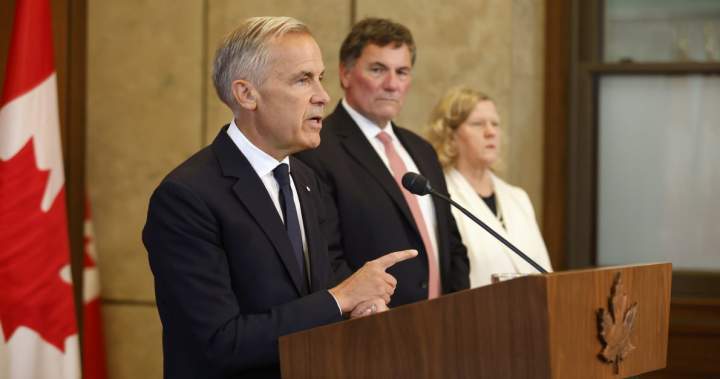
Beyond the ambitious 45-day proposal, a shorter, more immediate ceasefire is also reportedly on the table. This alternative wouldn’t facilitate comprehensive peace talks, but it could, crucially, create a vital opening for both sides to implement confidence-building measures. Such small steps might then generate the necessary momentum for a more substantial, longer-term truce. Reports from Reuters indicate that Pakistan’s army chief, Field Marshal Asim Munir, has been spearheading these intensive efforts, engaging with US Vice President JD Vance and Iranian Foreign Minister Abbas Araghchi.
Under this accelerated proposal, Iran might agree to reopen the Strait of Hormuz, currently restricted to select countries, pending a broader accord. This vital maritime choke point remains central to global energy security and is a key leverage point in the ongoing crisis. Further insights into international conflict resolution can be found through comprehensive resources.
Trump’s Shifting Sands and Tehran’s Resistance
President Trump continues to send bewilderingly mixed signals, simultaneously threatening massive military action while suggesting imminent diplomatic breakthroughs. On Sunday, he expressed optimism to Fox News regarding a deal on the Strait of Hormuz, stating, “I think there is a good chance tomorrow, they are negotiating now.” Yet, these statements often stand in stark contrast to his online ultimatums, leaving observers and mediators alike struggling to discern actual policy from rhetorical bluster.
Meanwhile, Iran remains resolute in its stance. Foreign Ministry spokesperson Esmaeil Baghaei confirmed the flow of messages via mediators but staunchly refused to confirm specific ceasefire proposals. He underscored Tehran’s position: “Negotiation is in no way compatible with ultimatums, with crimes, with the threat of committing war crimes.” Indeed, previous US and Israeli strikes against Iranian oil facilities, universities, hospitals, and pharmaceutical companies have already raised international alarms, with some experts warning they may constitute war crimes. The prospect of Trump fulfilling his threat to indiscriminately bomb bridges and power plants would, analysts agree, almost certainly violate the established laws of war.
Iranian officials are unequivocally clear: they will not be coerced by unilateral deadlines. Mehdi Tabatabaei, from the Iranian president’s office, asserted that the Strait of Hormuz would only be reopened after reparations for war damages are paid. There’s also deep-seated concern within Tehran, reported by Axios, that a short-term ceasefire could merely replicate the unstable dynamics seen in Gaza and Lebanon, where a nominal truce fails to prevent continued attacks. The path to a genuine, lasting Iran ceasefire plan is fraught with distrust, deeply entrenched grievances, and a terrifyingly tight deadline.
About the Author