In a heart-stopping weekend operation, US special forces executed a daring Iran rescue mission, extracting an injured airman who had been stranded deep within hostile territory. The dramatic events unfolded after an F-15E Strike Eagle jet was shot down, sparking a desperate race against time and an escalating hunt by Iranian forces. This complex endeavor, shrouded in secrecy, saw American ingenuity and resilience tested to their limits.
The harrowing saga commenced on Friday when the F-15E, an advanced fighter-bomber, was downed over southwestern Iran – an unprecedented incident in over two decades. While one crew member, the pilot, was swiftly recovered, his counterpart, a weapons operator, became separated. Injured and alone, he found himself isolated in a rugged, sparsely populated mountainous region, a landscape both unforgiving and treacherous.
Armed with a handgun and relying on intensive survival training, the airman initiated a series of crucial maneuvers. He intermittently activated a beacon signal, a lifeline in the vast expanse, while simultaneously seeking high ground for better communication and concealment. Reports from US media indicate he cleverly hid within a mountain crevice, carefully rationing his beacon usage to avoid detection by Iranian forces, who had by then announced a substantial bounty for his capture. The stakes were impossibly high.
Unpacking the Daring Iran Rescue Strategy
The intelligence network sprung into action with remarkable precision. A senior Trump administration official revealed that the CIA, through clandestine means, pinpointed the airman’s exact location, relaying this vital intelligence to the Pentagon. This critical data, however, necessitated careful verification to ensure it wasn’t a sophisticated Iranian trap. Simultaneously, a strategic deception campaign reportedly commenced within Iran, spreading misinformation that US forces had already secured the airman, a tactical gambit to buy precious time.
As US special forces, including highly trained Navy SEALs, maneuvered towards the stranded officer aboard multiple aircraft, diversionary strikes were reportedly launched to deter advancing Iranian troops. The airman, from his precarious vantage point high on a 7,000-foot ridge, is said to have relayed crucial intelligence on Iranian positions, directly aiding these protective strikes. The sheer audacity of this operation underscores the military’s unwavering commitment to leaving no one behind, a bedrock principle that guided the entire daring Iran rescue effort.
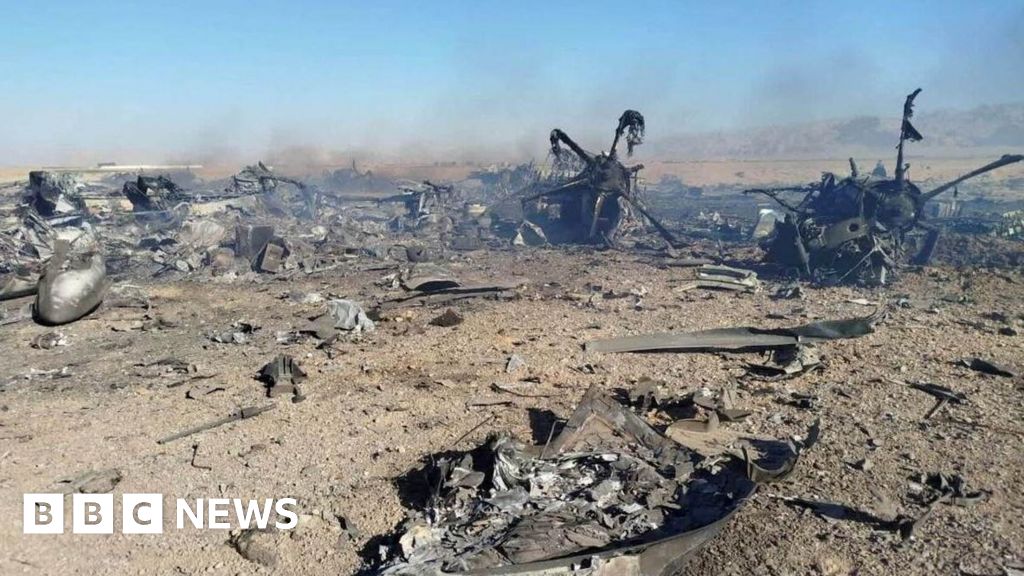
Yet, the extraction itself proved fraught with unforeseen complications. US media outlets reported that two C-130 transport planes, tasked with retrieving the rescue crews, encountered difficulties taking off from a rudimentary airfield they had used for landing. Bogged down in the soft soil of the remote Iranian base, these aircraft were subsequently destroyed by US officials to prevent them from falling into enemy hands – a standard military protocol in such dire circumstances. For more details on military operations in the region, refer to this comprehensive report.
The aftermath saw sharply contrasting narratives emerge. Iranian state media claimed their forces foiled the mission, asserting that two C-130s and two Black Hawk helicopters were destroyed, and even that a US drone was shot down over Isfahan. US officials, however, adamantly denied any attack, instead confirming the deliberate destruction of their bogged-down transport planes. Both sides presented compelling, though unverified, accounts of the chaotic extraction. General Frank McKenzie, a former commander of US Central Command, conceded the loss of aircraft but emphatically stated that such a cost is acceptable when a servicemember’s life hangs in the balance. “It takes a year to build an aircraft,” he remarked, “it takes 200 years to build a military tradition where you don’t leave anybody behind.”
The rescued airman eventually landed in Kuwait, where he received urgent medical attention. Though “seriously wounded,” as then-President Donald Trump confirmed, he is expected to make a full recovery. This incredible daring Iran rescue serves as a stark reminder of the immense risks undertaken by military personnel and the formidable logistical and strategic challenges of operating in hostile territories. The specific details of his identity and condition remain confidential, cementing the clandestine nature of this extraordinary military feat.
About the Author