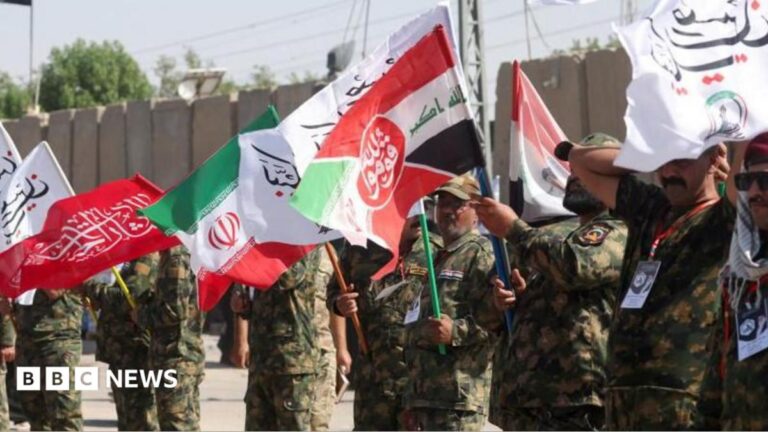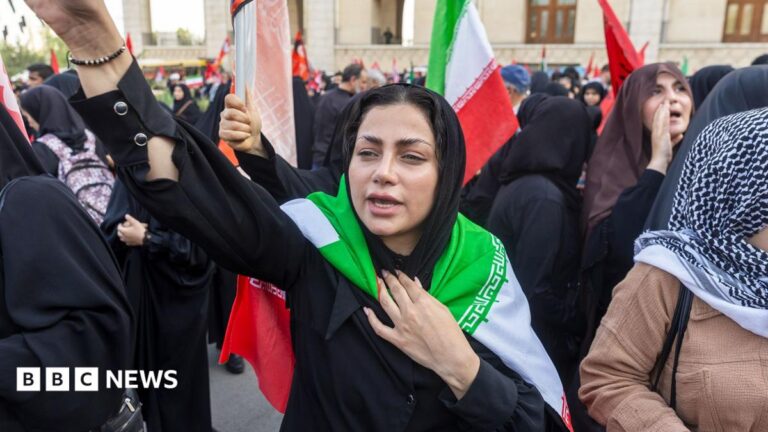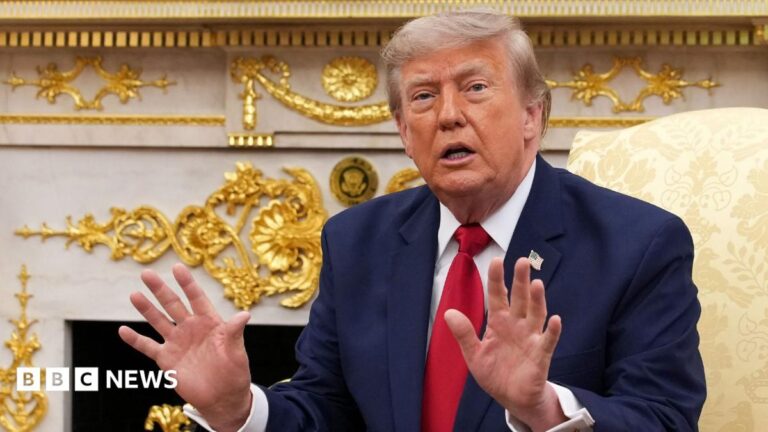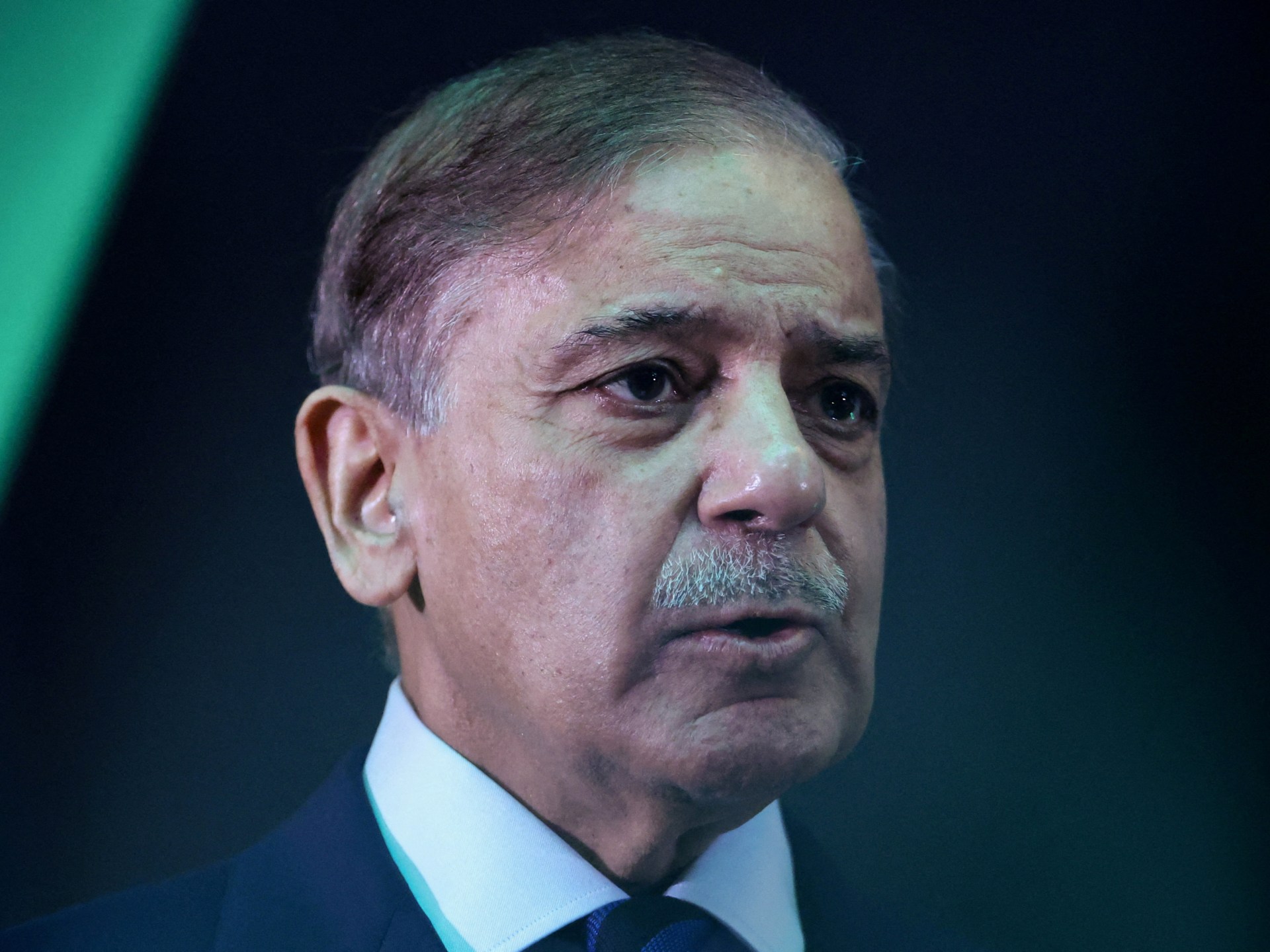
In a last-ditch effort to avert a catastrophic escalation, Pakistan has issued an urgent, eleventh-hour appeal to both Washington and Tehran, pleading for a two-week reprieve. With United States President Donald Trump’s critical deadline for an Iran deal looming, Prime Minister Shehbaz Sharif is fervently championing a path for sustained Iran diplomacy, urging an extension and the reopening of the vital Strait of Hormuz.
Prime Minister Sharif took to X (formerly Twitter) on Tuesday, just hours before Trump’s imposed cutoff, to underscore the delicate progress being made. “Diplomatic efforts for peaceful settlement of the ongoing war in the Middle East are progressing steadily, strongly and powerfully with the potential to lead to substantive results in near future,” he wrote, a beacon of hope amidst mounting tensions. He implored President Trump to grant a two-week extension, allowing the nascent diplomatic endeavors to truly take hold. Simultaneously, he called upon Iran to open the Strait of Hormuz for the same period as a “goodwill gesture,” emphasizing the shared interest in long-term peace and stability. A broader plea for a two-week ceasefire from all warring parties accompanied these requests, highlighting the immense pressure on regional stability.
Crucial Moments for Iran Diplomacy
The global community holds its breath as White House press secretary Karoline Leavitt confirmed Trump’s awareness of Pakistan’s proposal, with a response expected imminently. In a promising sign, a senior Iranian official indicated to Reuters that Tehran is actively and positively reviewing the request. These developments unfold against a backdrop of chilling rhetoric from President Trump, who earlier on Tuesday threatened to annihilate Iranian “civilization” should Tehran fail to comply with his demands and reopen the Strait of Hormuz.
The strait, a strategic choke point through which a staggering one-fifth of the world’s oil and liquefied natural gas passes, has seen maritime traffic brought to a near-total standstill. This unprecedented halt comes as a direct retaliation for US-Israeli assaults on Iranian soil, which began in late February. Iran’s Islamic Revolutionary Guard Corps has vowed swift and decisive retaliation against any attacks on its civilian infrastructure, further underscoring the volatile nature of the standoff. Despite the ominous storm clouds, sources within Pakistan suggest that the possibility for a diplomatic breakthrough remains, albeit precariously. “We’re at a dangerous escalation, but the possibility of Iran diplomacy can’t be ruled out till the last minute,” an anonymous Pakistani source told Al Jazeera, confirming Islamabad’s unwavering commitment to keeping channels of communication open.
Meanwhile, the region remains a powder keg. Israel has launched strikes on railways and bridges across Iran, while Iranian forces have targeted various locations including Bahrain, Qatar, and the United Arab Emirates. For weeks, President Trump has been issuing stark warnings, threatening the destruction of Iran’s civilian infrastructure, including power stations and vital desalination plants. Such actions, according to legal scholars like Oona Hathaway, a professor at Yale University, would constitute war crimes. She noted that while immediate trials might not occur, “there is no statute of limitations on war crimes and accountability sometimes takes decades,” predicting that Trump’s social media posts could serve as “Exhibit A in future war crimes trials.” The world watches, desperately hoping that Iran diplomacy can prevail and steer the region away from the precipice of a full-scale catastrophe, preventing further devastation along this critical maritime trade route.
About the Author