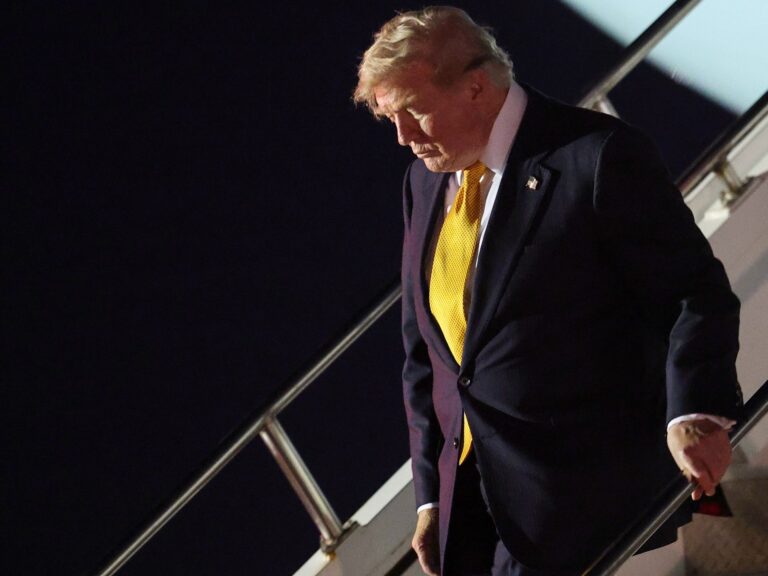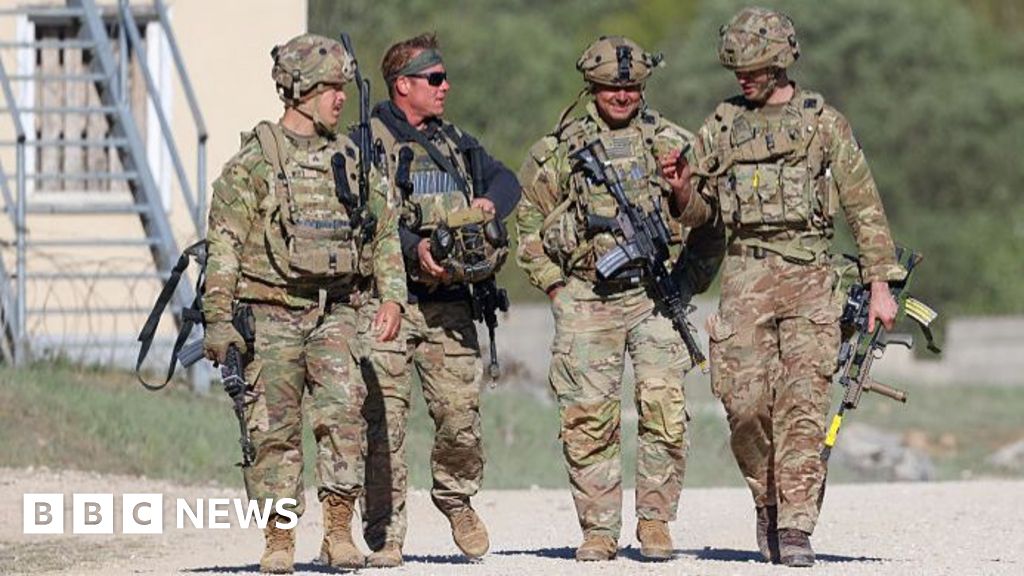
In a stunning move underscoring escalating tensions, the United States Defense Department has announced plans for a significant Germany troop withdrawal, intending to pull 5,000 soldiers from the European nation. This dramatic decision follows a bitter public spat between President Donald Trump and German Chancellor Friedrich Merz, particularly concerning the ongoing conflict with Iran.
The announcement, which sent ripples through diplomatic circles, came just a day after President Trump publicly lambasted Chancellor Merz. Merz had earlier suggested that the United States had been “humiliated” by Iranian negotiators, prompting a swift and fiery rebuke from the American leader. Trump took to social media, declaring Merz was “doing a terrible job” and grappling with “problems of all kinds,” specifically citing immigration and energy policies. The presidential ire didn’t stop there; Trump also hinted at potential troop reductions in Italy and Spain.
The Rationale Behind Germany Troop Withdrawal
With over 36,000 active-duty personnel stationed across Germany as of last December, the US maintains its largest European military footprint within the country. Pentagon spokesman Sean Parnell confirmed that Defence Secretary Pete Hegseth issued the order. “This decision follows a thorough review of the Department’s force posture in Europe,” Parnell stated, adding, “and is in recognition of theater requirements and conditions on the ground.” The withdrawal, according to the Pentagon, is anticipated to conclude within the next six to twelve months.
President Trump, a vocal critic of the NATO alliance for years, has frequently expressed frustration with allies whom he perceives as not contributing their fair share to collective security. His current discontent stems partly from their reluctance to participate in operations aimed at securing the Strait of Hormuz. When pressed about potentially withdrawing US forces from other European partners, Trump’s response was unequivocal: “I probably will – look, why shouldn’t I?” He further criticized Italy and Spain for their lack of involvement in the Iran situation, stating, “In all cases they said, ‘I don’t want to get involved.'” This new directive for a Germany troop withdrawal signifies a deepening rift between two historically close allies.
Chancellor Merz’s remarks, delivered to university students earlier in the week, painted a grim picture of US foreign policy. He asserted that “the Americans clearly have no strategy” and questioned their “strategic exit” options. Merz observed that the “entire nation” of Iran was “humiliated” by its leadership’s negotiating tactics, specifically highlighting how “the Iranians are obviously very skilled at negotiating, or rather, very skilful at not negotiating, letting the Americans travel to Islamabad and then leave again without any result.”
In a retaliatory Truth Social post, Trump retorted that Merz considered it “OK for Iran to have a Nuclear Weapon” and “doesn’t know what he’s talking about.” He ominously concluded, “No wonder Germany is doing so poorly, both Economically, and otherwise!” While Trump had previously proposed similar reductions, this specific Germany troop withdrawal faces unique circumstances.
The US military presence in Germany overshadows its deployments elsewhere in Europe, which include approximately 12,000 troops in Italy and 10,000 in the UK. Many of these personnel are based at Ramstein Air Base, a critical strategic hub near Kaiserslautern. Earlier proposals to reduce troops had been notably blocked by Congress and later reversed by President Joe Biden.
Historically, Trump has criticized Germany for its defense spending, which fell short of NATO’s 2% GDP target. However, under the Merz government, this landscape has drastically shifted. Germany is now projected to allocate €105.8 billion (£91 billion) to defense by 2027, with total expenditure next year expected to reach an impressive 3.1% of GDP. This renewed commitment has been significant.
The US is also recalibrating its global military focus. Last year witnessed a reduction in US troop presence in Romania, signaling a broader strategic pivot towards the Indo-Pacific region. Defence Minister Hegseth reportedly informed Romanian officials of the need to bolster their own national defense. The broader implications of this Germany troop withdrawal extend beyond immediate military logistics, touching on transatlantic defense commitments and regional stability. This strategic reorientation has elicited disapproval from some Republicans in Congress and generated unease among Eastern European nations wary of Russian influence.
About the Author