
US launches fresh strikes as Iran closes Strait of Hormuz
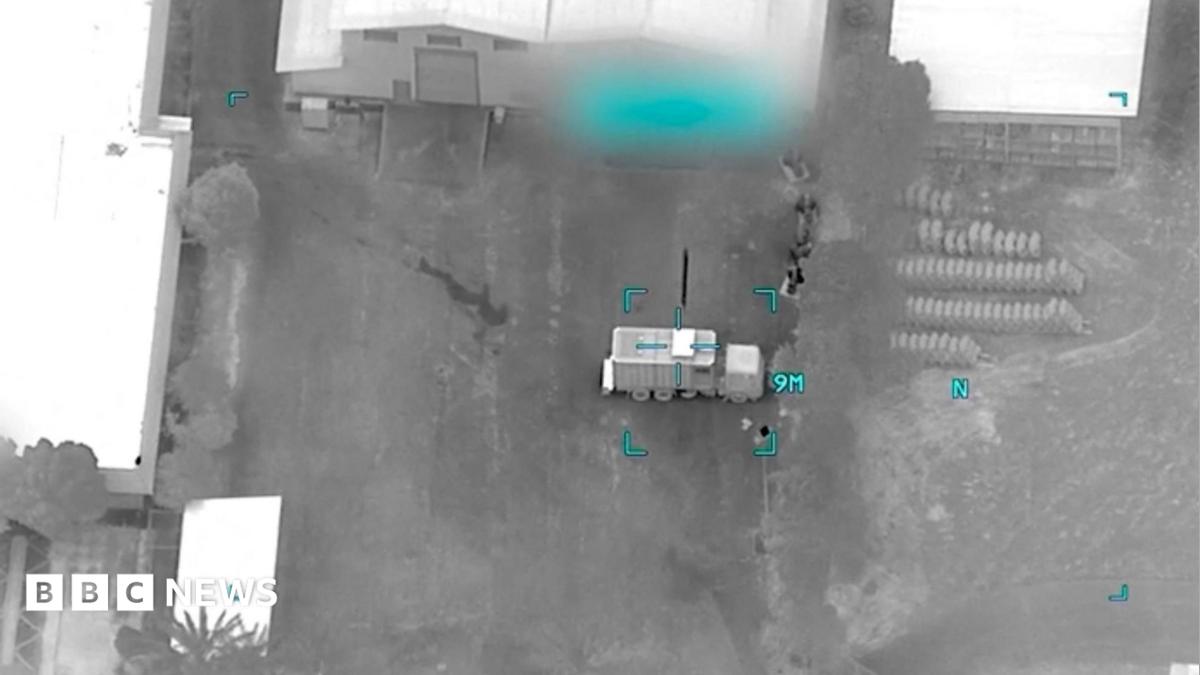
The volatile Middle East simmers anew! Fresh American airstrikes have rocked Iranian targets, a direct and forceful retort to Tehran’s audacious assault on a commercial vessel navigating the perilous Strait of Hormuz. This critical maritime artery, through which a significant portion of the world’s oil transits, now stands shuttered by Iran’s Islamic Revolutionary Guard Corps (IRGC) – a move sending shockwaves across global markets and sparking fears of broader regional conflagration.
Just hours after US Central Command (Centcom) unleashed a devastating barrage on some 140 Iranian military sites—including missile installations, drone facilities, and critical communication hubs—the IRGC announced the indefinite closure of the Strait. Simultaneously, a flurry of Iranian missiles and drones rained down on US bases and allied nations. Reports from the IRGC claim a direct hit on Prince Hassan Air Base in Jordan, alongside responses from Qatar, Kuwait, Bahrain, and the United Arab Emirates, indicating a dangerously widening scope of engagement.
Escalating Tensions in the Strait of Hormuz
This latest escalation follows a week fraught with peril, marked by multiple attacks on commercial tankers. Earlier Sunday, Iranian state media declared the Strait off-limits, citing an unapproved route taken by a vessel that subsequently received "warning shots" and was forcibly halted. Centcom corroborated a brutal assault on the Cyprus-flagged MV GFS Galaxy, detailing severe engine room damage and a missing crew member. UK Maritime Trade Operations (UKMTO) confirmed the crew’s abandonment of ship, adrift in a lifeboat. Secretary of Defense Pete Hegseth minced no words, stating unequivocally on X: "Iran made a poor choice. Now they pay."
Iran’s parliamentary speaker, Mohammad Bagher Ghalibaf, echoed a defiant stance on X, declaring the "era of one-sided deals is OVER." He ominously added, "We told you: keep your word or pay the price. Reality is knocking." These developments unfold against a backdrop of deep-seated grievances and a fervent call for vengeance from Iran’s new Supreme Leader, Ayatollah Mojtaba Khamenei. In his inaugural public address since his father’s funeral, Khamenei pledged to avenge the elder leader, Ali Khamenei, who perished in an air strike earlier this year. Such pronouncements fuel the already raging fires of retribution.
The international community watches with bated breath as the two nations exchange increasingly severe blows. US President Donald Trump, while asserting that the ceasefire is "over," also indicated that talks to revive diplomatic processes remain an option, reportedly after Iran privately admitted some tanker attacks were a "mistake" by a rogue group. Washington’s mediators, however, demand a public declaration from Tehran that the Strait of Hormuz is open and a firm commitment to cease attacks on commercial shipping. Understanding the broader implications of such regional instability is crucial for global trade and peace efforts. For further context on the intricate dynamics of the region, explore Middle East geopolitical analysis.