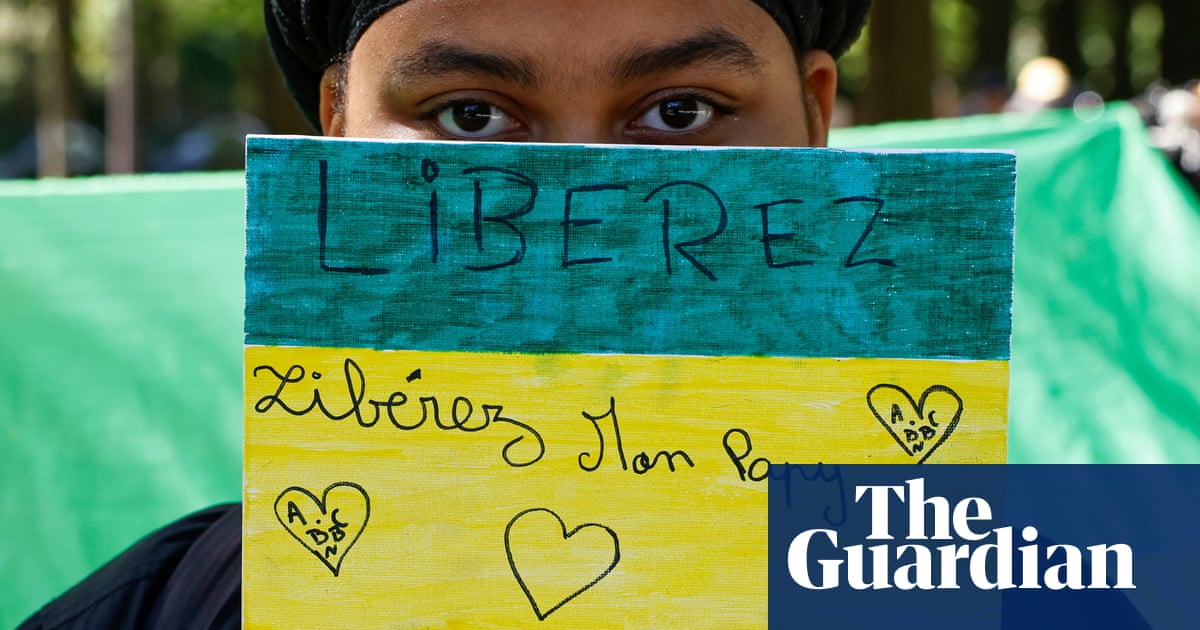
A striking image from Paris: the granddaughter of Gabon’s former prime minister, placard in hand, demanding “Free my grandfather.” This poignant scene underscores a deepening crisis in the central African nation, where a relentless Gabon social media clampdown is silencing voices and eroding fundamental freedoms. Activists vehemently argue that the government’s escalating use of restrictive laws to curtail internet access marks a troubling continuation of its well-documented history of suppressing dissent.
The recent ordeal began in February when Gabon’s media regulator indefinitely suspended major social media platforms. Citing nebulous “security concerns” amidst anti-government protests, the move sent shockwaves through the populace. Soon, the use of Virtual Private Networks (VPNs) surged as citizens desperately sought to bypass these restrictions. However, this defiance was met with swift state retaliation: gendarmerie units at checkpoints in Libreville and other urban hubs began confiscating phones with VPNs or detaining their owners, spreading warnings like wildfire through whispered exchanges. Many activists and opposition members said their accounts were also summarily suspended due to efforts of state officials, further restricting the already shrinking space for independent Gabon social media discourse.
Social media platforms had, for months, served as vital conduits for information and organization, particularly since December, when widespread protests erupted over abysmal pay and the cost of living. Yet, the government justified its unprecedented shutdown by citing “misinformation, disinformation, pornographic content, and incitement to hatred.” Rights groups, however, fiercely counter this narrative, urging authorities to uphold due process for any alleged offenders instead of imposing collective punishment through unconstitutional restrictions on freedom of expression.
The Escalating Crackdown on Gabon Social Media
“This sustained intentional interference with access to essential digital communication platforms in Gabon is a blatant disregard for people’s fundamental rights, specifically the freedom of expression and the right to access information,” asserted Felicia Anthonio, campaign manager at the #KeepItOn coalition, a global alliance of hundreds of human rights organizations. Indeed, the temporary lifting of restrictions in April offered little solace. A new regulation, enacted in February, now mandates that all social media users provide verified names, addresses, and ID numbers, threatening non-compliant networks with astronomical 50m central African CFA franc (£66,000) fines and even prison terms. This digital straitjacket complements other far-reaching changes, including a controversial nationality code signed in February, criticized for curbing rights of naturalized citizens and easing state-sanctioned denaturalization. For many, the future of Gabon social media seems increasingly grim.
Nelly Ngabima, a controversial activist also known as Princesse de Souba, recounted chilling threats from Gabonese government officials to make her “disappear from social networks.” Within mere months, her combined following of over 300,000 across Facebook, YouTube, and TikTok was abruptly suspended. “They create fake accounts and they put our identities on those accounts, then they report us for identity theft,” she revealed, exposing a sinister tactic. The pervasive fear is palpable: “Today, Gabonese people even struggle to send a WhatsApp message because they are afraid. They do not even go out with their phones.” Such a climate illustrates the severity of the situation.
Gabon, a nation blessed with oil wealth yet plagued by deep poverty, rampant nepotism, and corruption, has a stark history of quashing dissent. The arrest of former Prime Minister and opposition leader Alain-Claude Bilie-By-Nze in April, ostensibly for an old fraud case, is widely seen as politically motivated. Ngabima, a former Gabonese intelligence operative, now exiled in France, warns that her past roles, which included phone tapping and monitoring politicians, confirm the regime’s capacity for pervasive surveillance. The last internet shutdown occurred just before a disputed 2023 election, only to be restored after a military coup removed Ali Bongo.
General Brice Oligui Nguema, who seized power promising a fresh start after 56 years of Bongo family rule, initially presented a different image. His critics, however, argue he merely recycles the draconian playbook of his predecessors, particularly their opaque economic management. “Today Gabonese people still die of hunger, have no jobs and struggle to get medical treatment… all that already existed during Ali Bongo’s time,” Ngabima laments. “In reality, strictly speaking, nothing has changed. You cannot remove Mr Ali Bongo because you condemned certain behaviours and then arrive and reproduce the same. That is not possible.” This sentiment encapsulates the deep disillusionment as the struggle for digital freedom and fundamental rights continues to unfold in Gabon.
About the Author