
Taxi, ride-hailing drivers brace for World Cup traffic and antsy passengers
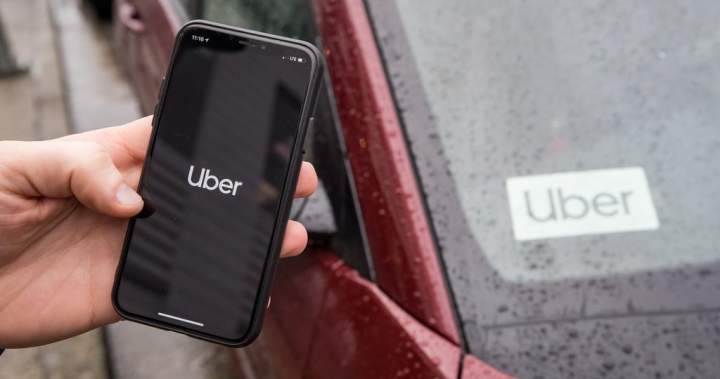
Weeks before the grand spectacle of global soccer descends upon Toronto and Vancouver for the World Cup, a growing unease ripples through the ranks of ride-hailing and taxi drivers. These essential gig workers, the unsung heroes of urban mobility, are bracing themselves not just for a surge in demand, but for the unprecedented challenges that come with navigating an onslaught of World Cup traffic.
Anticipating a staggering 650,000 international visitors, the major Canadian cities are set to experience an unprecedented level of congestion. Uber drivers, represented by the United Food and Commercial Workers union, have already voiced their concerns to the ride-hailing giant. Their primary worry? The delicate balance between potential earnings and the reality of gridlocked streets and increasingly “antsy” passengers.
Navigating the World Cup Traffic Challenge
Barry Sawyer, national president at UFCW, articulated the drivers’ plight: “Increased traffic causes some customers to be antsy and nervous and frustrated.” He emphasized the need for Uber to proactively communicate with incoming passengers, ensuring they understand that traffic delays are not the driver’s fault. It’s a plea for empathy in what promises to be a high-pressure environment for anyone transporting people during global soccer’s biggest event. Uber, while not directly addressing the communication request, affirmed its standing policy of reminding both riders and drivers to treat each other with courtesy.
This massive influx of people offers a unique double-edged sword for gig workers. On one hand, the tournament is poised to skyrocket demand for both ride-hailing and food delivery services. This could translate into significantly higher earnings, especially if platforms introduce incentives to keep drivers on the road during peak times.
However, the allure of increased income comes with a substantial caveat. Kristine Hubbard, managing director at Toronto’s Beck Taxi, paints a vivid picture of the potential pitfalls. “There will be more rides, I have no doubt, but I do think the speed at which things are moving is really going to impact whether that translates really into more income,” she stated, likening the situation to an immobilizing snowstorm. Imagine trying to make a living when your vehicle is barely moving; it’s a terrifying prospect for those dependent on per-trip earnings.
Toronto, in particular, expects significant disruptions. The city plans various match-day closures in the Fort York-Liberty Village corridor, a central hub for World Cup festivities. With public transit being heavily promoted and expanded, private vehicles, including taxis and ride-shares, will face an uphill battle. Uber has already started advising customers in both Toronto and Vancouver to explore all transportation options and prepare for higher-than-normal wait times and fares due to the expected World Cup traffic.
Veteran driver Earla Phillips, who drives for both Lyft and Uber, vividly recalls the chaos of Taylor Swift’s 2024 Toronto concerts. That event saw such a deluge of ride-hailing cars that maneuvering became a nightmare. Phillips plans to avoid the heavily congested Fort York-Liberty Village area altogether, citing personal experience with short, low-paying rides during peak congestion, further exacerbated by impatient customers who cancel or badger drivers. With gas prices soaring, the financial squeeze on drivers is intensifying, eroding already shrinking earnings.
Despite these very real concerns and the looming threat of gridlock, an optimistic current persists among many drivers. Barry Sawyer confirmed that most drivers he’s spoken with intend to brave the surge. The logic is simple: more customers inherently mean more rides, and ultimately, more money. Many travelers, especially international visitors, are often more willing to spend for convenience when visiting a new city for a major event like the World Cup. For many, the opportunity to capitalize on this global gathering outweighs the inevitable frustration of the Canadian World Cup traffic.