
Ebola: US ban on travellers from DRC, Uganda or South Sudan ‘not the solution’
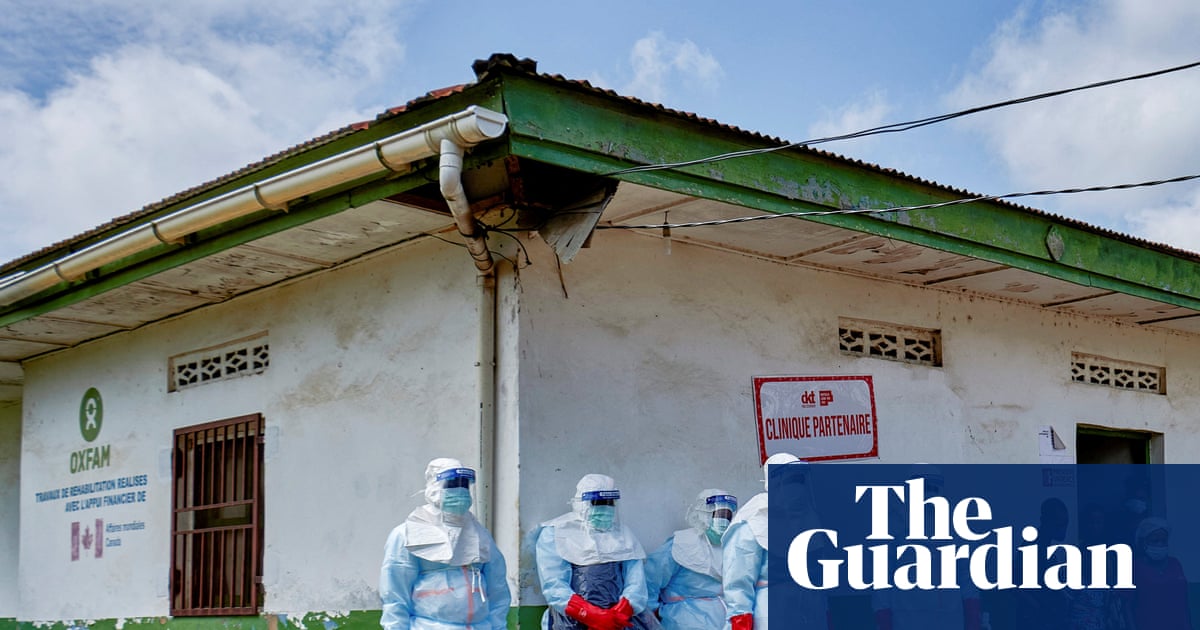
A contentious decision by the United States to impose an Ebola travel ban on individuals arriving from the Democratic Republic of the Congo (DRC), Uganda, or South Sudan has ignited a firestorm of criticism. Experts and health organizations, most notably the Africa Centres for Disease Control and Prevention (Africa CDC), argue that such restrictions could exacerbate the very public health crisis they aim to mitigate. This alarming outbreak, now declared a public health emergency of international concern, continues its relentless spread, with new cases even emerging in rebel-held territories within the DRC.
The American prohibition, affecting non-US passport holders who have visited any of these three nations within the past 21 days, has already caused significant disruption. Imagine the chaos: the DRC men’s football team had their World Cup preparations derailed, and one flight bound for Detroit was even diverted to Canada after a traveler from the DRC was found aboard. Such measures, Africa CDC warns, are far from a solution.
The Broader Impact of an Ebola Travel Ban
Africa CDC, while acknowledging the sovereign right of nations to safeguard their citizens, unequivocally states that “generalised travel restrictions and border closures are not the solution to outbreaks.” Their reasoning is stark and clear: these bans breed fear, cripple local economies already under immense pressure, stifle transparency, and complicate vital humanitarian and health operations. Worse still, they often push population movement towards unmonitored, informal routes, inadvertently escalating public health risks rather than containing them. The efficacy of an Ebola travel ban is thus highly questionable in the field.
Adding another layer of grave concern is the grim reality that no vaccine or treatment currently exists for the specific Bundibugyo strain of Ebola driving this particular outbreak. Africa CDC points out a profound structural injustice in global health innovation: despite being identified almost two decades ago, this variant still lacks licensed medical countermeasures. “Africa CDC believes that if this disease had predominantly threatened wealthier regions of the world, medical countermeasures would likely already be available,” the organization asserted, highlighting a disparity that resonates deeply.
Dr. Githinji Gitahi, Group CEO at Amref Health Africa, echoed this sentiment with a powerful statement: “Travel bans don’t stop viruses, they stop solidarity.” He passionately advocated for investment in outbreak control at the source, rather than the isolation of affected communities. This strategic approach fosters partnership, he suggested, instead of imposing punishment. Uganda’s information minister, Chris Baryomunsi, labelled the US response as “overreacting,” stressing his country’s established capacity to manage such epidemics.
As of Wednesday, the World Health Organization reported a staggering 139 deaths and approximately 600 suspected cases within the DRC alone, alongside two confirmed cases in neighboring Uganda. The bulk of these cases are concentrated in the DRC’s Ituri and North Kivu provinces. A recent development saw a case reported in South Kivu, an area controlled by the Alliance Fleuve Congo, which includes Rwanda-backed M23 rebels. An Ebola travel ban does little to address the complex dynamics of controlling an outbreak in such volatile regions.
The discovery of an Ebola case in Goma, the North Kivu capital, also under M23 control, has sparked urgent appeals for the city’s airport to be reopened. This critical measure would facilitate the influx of much-needed aid and medical supplies. Researchers at Imperial College London have even revised their outbreak size estimates upwards, based on the latest figures from the WHO, underscoring the escalating nature of the crisis impacting the vast Central African nation.