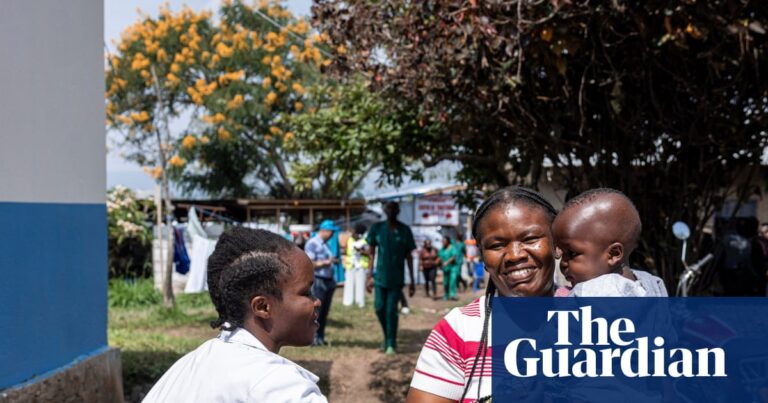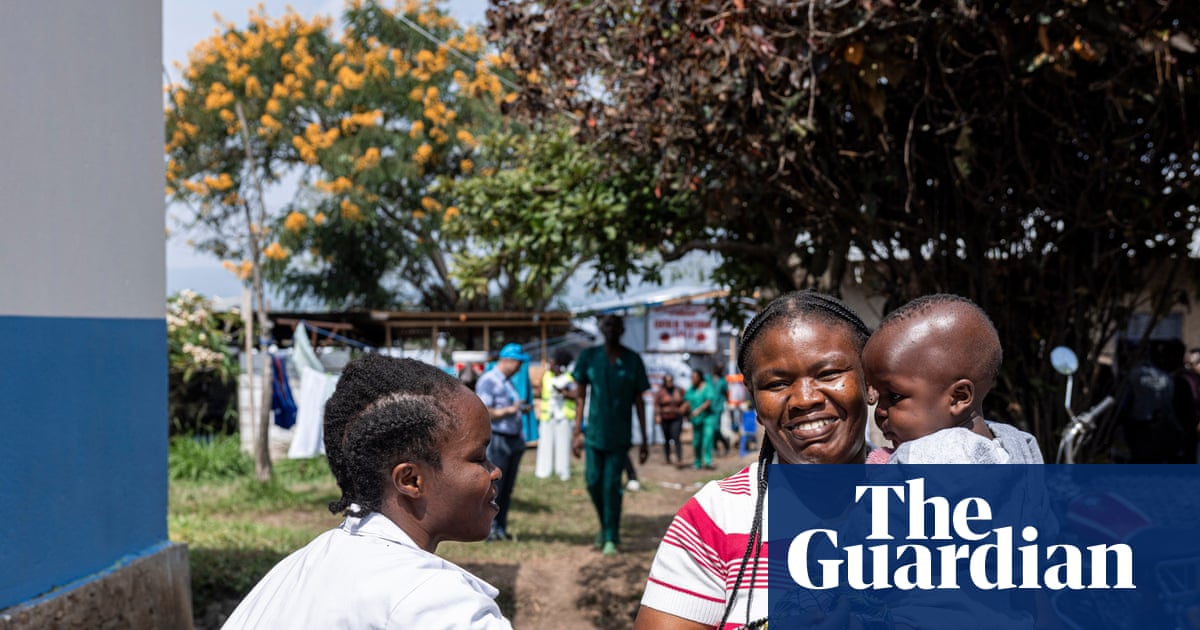
The Democratic Republic of Congo grapples with a relentless Ebola outbreak, yet a beacon of hope has emerged: a pioneering Ebola treatment trial. In an unprecedented scientific race against time, researchers have initiated human trials for two experimental drugs, aiming to drastically cut the mortality rates of the virulent Bundibugyo strain.
This is research at breakneck speed. Scientists have begun enrolling patients merely six weeks after the World Health Organization (WHO) declared the outbreak a public health emergency of international concern on May 17. The rapidity of this response is nothing short of remarkable, a stark contrast to previous outbreaks.
The Race for an Ebola Treatment Trial: A Scientific Leap
In Bunia, the capital of Ituri province, where the virus rages fiercely, impatience hangs heavy in the air. Neema Haba, a mother of three and banana vendor, expressed her community’s desperation, pleading, “I hope these drug trials proceed quickly. Financially, we are being driven to the brink by this outbreak and nothing is going right. We are struggling to provide for our children.”
As of July 9, the Bundibugyo strain had inflicted 1,792 confirmed cases and claimed 625 lives. For this particular variant, there exists no approved vaccine or treatment; the WHO confirms it remains in an “expansion phase.”
Amidst the scientific urgency, practical challenges persist. While approximately 75% of known contacts are being traced, low trust in authorities and a highly mobile population significantly hamper efforts. Disturbingly, some frontline workers have even stopped work in protest over unpaid wages. Reports continue to highlight the ongoing crisis in the region, detailing community mistrust that has led to attacks on response teams. “At one point, we narrowly escaped being lynched,” recounted Ovide Maliabo, a driver for a burial team in Rwampara, highlighting the peril faced by those on the ground.
Hopes for turning the tide now rest firmly with the scientific community. The Partners Ebola treatment trial, a collaborative effort, has commenced with two promising compounds: remdesivir and MBP134. Remdesivir, an antiviral from Gilead Sciences, and MBP134, a monoclonal antibody from Mapp Biopharmaceutical, both demonstrated significant efficacy against the Bundibugyo virus in animal models.
Patients are randomly allocated to receive either drug, a combination, or standard supportive care. Prof. Laurens Liesenborghs of the Institute of Tropical Medicine, Antwerp, part of the trial team, articulated the primary objective: “They showed great efficacy, but now we need to test it in humans. Basically, what we want to see is if they indeed can lower mortality.” While Bundibugyo typically carries a lower death rate than the Zaire strain, it still tragically claims one in three lives.
The trial’s design is robust, allowing for additional treatments to be incorporated as they emerge. A definitive result will likely require the enrollment of 700 to 1,000 patients. Crucially, the trial embraces inclusivity, welcoming patients of all ages, including pregnant and breastfeeding women – a population frequently excluded from medical research. Sufficient supplies of remdesivir and MBP134 have been generously donated, ensuring capacity for 1,200 participants, with the WHO actively discussing post-trial availability.
Prof. Amanda Rojek, international principal investigator for Partners from the University of Oxford, lauded the rapid launch. She underscored the vital role of strong scientific leadership within the DRC, a nation with extensive experience hosting major trials for Ebola and other diseases. “It’s just fantastic we’ve managed to get started so quickly,” she exclaimed, contrasting it with the over a year it took to initiate clinical trials during the 2014-16 West Africa Ebola outbreak. The focus, she added, much like the successful Recovery trial during Covid, is on maintaining trial simplicity.
Despite the optimism surrounding this Ebola treatment trial, Prof. Yap Boum, head of emergency response with Africa CDC, issued a cautionary note: the danger is far from over. However, he stressed the profound impact: “What limits an outbreak is our capacity to provide care, our surveillance capacity and our ability to isolate people. These trials will enable us to access treatment, and when we treat people, it also sends a message to the community.” An additional trial, investigating obeldesivir as a preventative measure for contacts, is also slated to begin soon, though it currently faces a significant funding gap.
About the Author