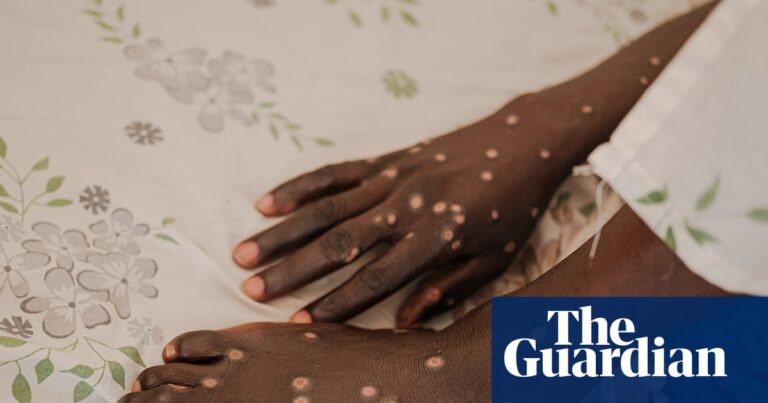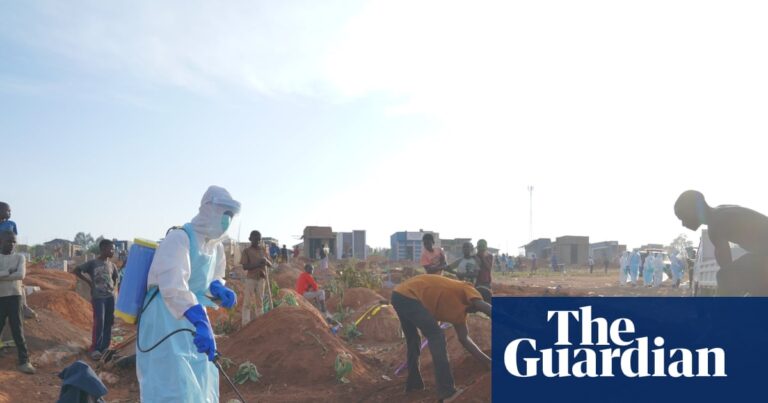
The Democratic Republic of Congo (DRC) faces a critical public health crisis. The World Health Organization (WHO) has issued a dire warning: the ongoing Ebola outbreak DRC is now accelerating, alarmingly outpacing the current response efforts. This stark assessment comes as the highly contagious disease threatens to spill into neighboring nations, demanding immediate, concerted action.
WHO Director-General Dr. Tedros Adhanom Ghebreyesus emphasized the urgency, stating, “We are urgently scaling up operations, but at the moment the epidemic is outpacing us.” He made these remarks during an African Union online meeting, where he also revealed 220 suspected deaths thus far. Dr. Tedros himself plans to travel to the DRC on Tuesday, accompanied by Chikwe Ihekweazu of WHO’s health emergencies programme, highlighting the gravity of the situation.
Compounding the escalating crisis are recent violent attacks on crucial health facilities within Ituri province, the very epicenter of the current contagion. Residents in Mongbwalu town launched assaults on its general referral hospital over the weekend. Dr. Richard Lokodu, the facility’s medical director, recounted harrowing scenes: 18 Ebola patients fled after tents, erected for isolation by Médecins Sans Frontières, were torched.
Furthermore, the hospital endured four distinct waves of attacks on Sunday, fueled by young people mobilized by relatives of a religious leader who succumbed to the virus. Seven more patients managed to escape. Congolese police and soldiers were ultimately forced to intervene, restoring a fragile semblance of order amidst the chaos. Tragically, a suspected patient in critical condition, actively hemorrhaging, perished during the second attack while attempting a desperate escape from his bed.
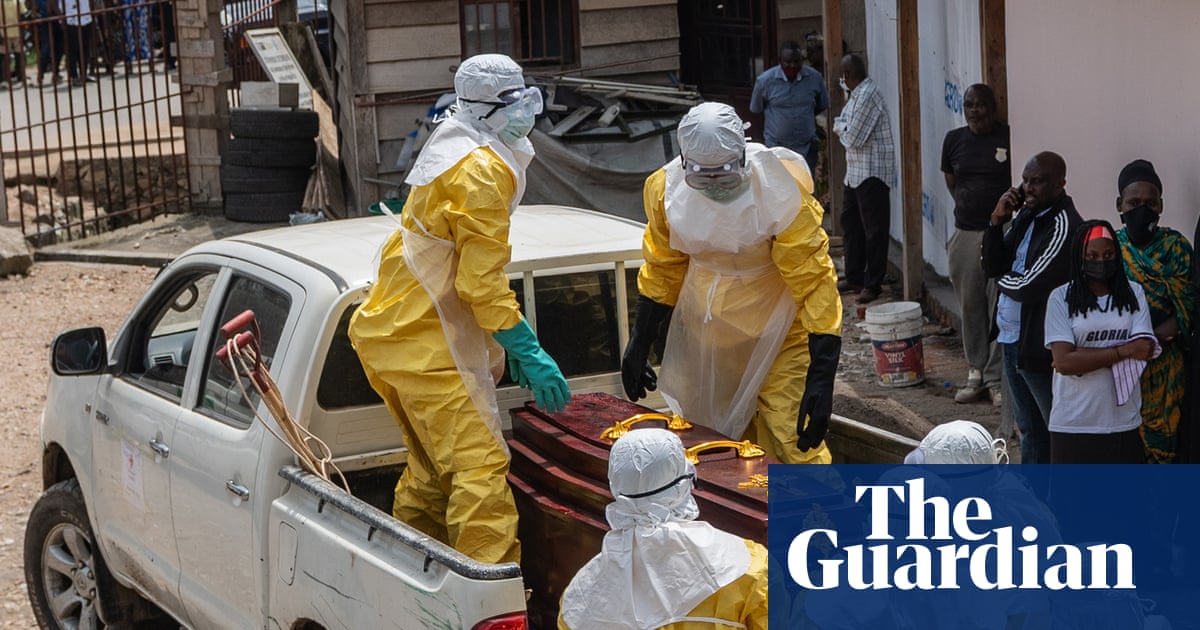
These aggressors, according to Lokodu, sought the release of Ebola victims’ bodies for traditional burials. This dangerous practice, which often involves washing and touching highly contagious remains, has historically been a significant vector for disease transmission in past outbreaks. A similar incident occurred in Rwampara, near Bunia, where a crowd set fire to a treatment center after authorities refused their demands for a victim’s body.
Earlier this month, Dr. Tedros had already declared the outbreak a “public health emergency of international concern,” a designation triggered by over 300 suspected cases and 88 deaths in the DRC, along with two fatalities in Uganda. Uganda has since reported two additional cases, bringing their total to seven, including two health workers in Kampala.
Challenges in Containing the Ebola Outbreak DRC
The current Ebola outbreak DRC is attributed to the rare Bundibugyo ebolavirus, for which no approved treatment or vaccine currently exists. The main hotspots – Rwampara, Mongbwalu, Nyankunde, and Bunia – are located in the north-east DRC province of Ituri. This region, a vital commercial and migration hub rich in gold, is also plagued by long-standing conflict between Hema and Lendu ethnic groups, a struggle over land and minerals that has claimed over 50,000 lives since 1999.
Cases have also surfaced in rebel-controlled Butembo and Goma in North Kivu province, as well as Bukavu city in South Kivu. The complexities of containing this deadly disease are significantly amplified by the insecurity pervasive in Ituri and North Kivu, coupled with the critical absence of an approved vaccine, as Dr. Tedros reiterated on Monday. The international community watches intently as efforts to stem the tide continue under immense pressure. For more information on global health challenges, visit this global health authority.
About the Author