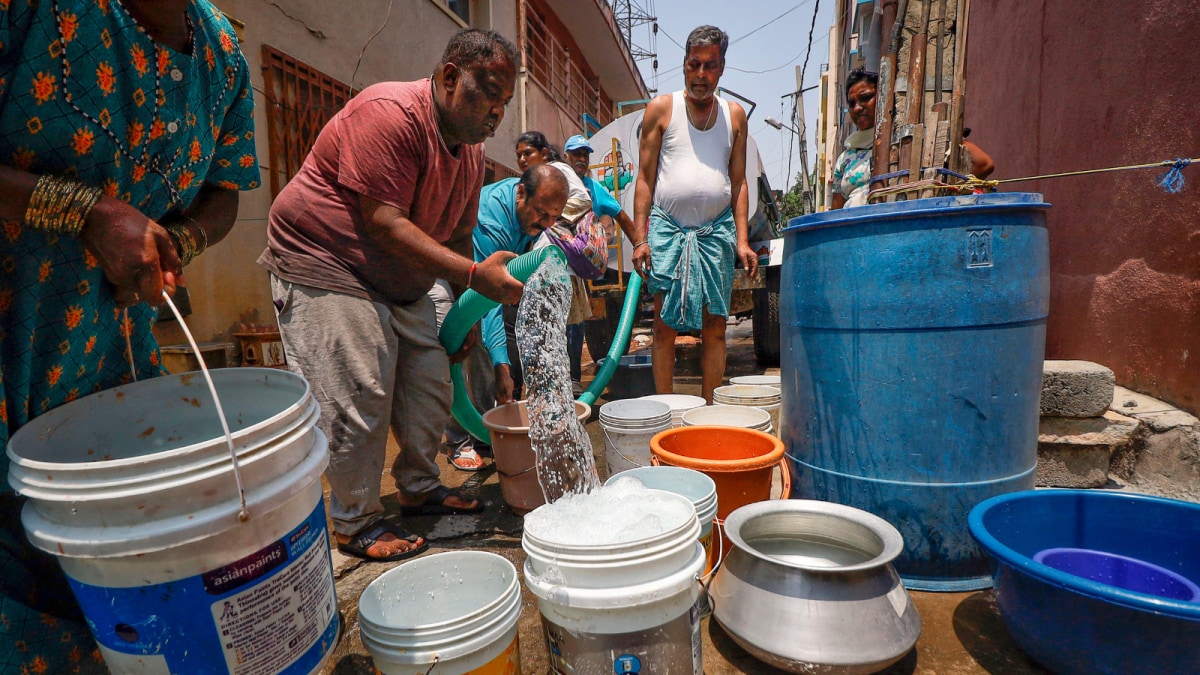
Mumbai, a city perpetually buzzing with ambition, now faces a profound challenge that strikes at its very lifeblood: water. In a stark testament to nature’s caprice and the mounting pressure on urban resources, the Brihanmumbai Municipal Corporation (BMC) has unveiled drastic new measures, effective June 17, to combat an escalating Mumbai water crisis. With reservoir levels alarmingly low and the monsoon’s arrival frustratingly delayed, the civic body has imposed sweeping restrictions, notably halting the supply of precious drinking water for non-essential activities like construction and the city’s numerous swimming pools.
Escalating Measures Amidst Mumbai Water Crisis
The decision comes after weeks of growing concern. Having already implemented a 10 percent water cut since May 15, authorities were forced to act more decisively as the seven vital lakes supplying the metropolis dipped to a mere 10.35 percent of their usable capacity by June 16. The new directive is unambiguous: all existing water connections for ongoing construction projects will be temporarily severed, and new approvals for such connections are indefinitely suspended. Simultaneously, the joyous splashes typically heard from swimming pools across the city will cease, as their water supply is also temporarily halted.
Beyond leisure and development, the restrictions extend to the commercial sector. Industrial, commercial, and sports club establishments will now endure a 20 percent water reduction. Even aerated beverage and packaged drinking water bottling units face limitations, permitted only enough water to meet the basic hydration needs of their workforce. The message is clear, and the penalties stringent: the BMC has warned of strict legal action against any individuals or entities found to be wasting or misusing potable water during this critical period. This comprehensive approach underscores the severity of the Mumbai water crisis.
The Dire Reality: Why This Step?
This unprecedented move isn’t arbitrary; it stems directly from the Maharashtra government’s Water Resources Department, prompted by the twin specters of a delayed monsoon and rapidly dwindling reservoir levels. Mumbai’s daily water requirement hovers around an astounding 4,664 million litres. Yet, the available sources struggle to provide an average of only 4,100 million litres per day. The persistent deficit, coupled with the looming shadows of an El Niño impact on monsoon rainfall, makes extending the city’s current water stock an immense, perhaps existential, challenge for civic authorities. This isn’t just a shortage; it’s a strategic battle against time and nature.
Collective Responsibility: A Call for Conservation
In response, the BMC isn’t just imposing bans; it’s championing a holistic conservation strategy. Public toilet and restroom management organizations have been instructed to maximize their use of tanker water, borewell resources, and other alternative supplies. Citizens too are urged to pivot, using borewell or well water for tasks such as washing vehicles, tending to gardens, and cleaning roads or premises, reserving treated drinking water solely for essential consumption. Furthermore, major institutional consumers, including Central Railway, Western Railway, the Indian Navy, HPCL, BPCL, RCF, MIDC, and the Mumbai Port Authority, have been mandated to increase their use of treated wastewater from sewage treatment plants for all operational and secondary purposes, a crucial step towards more effective water management across the urban landscape.
The municipal administration has issued a fervent appeal to all residents and businesses, imploring their cooperation in these vital water conservation efforts until the reservoirs are sufficiently replenished. Officials reiterate their commitment to legal action against misusers. These stringent measures are expected to remain in force, casting a watchful eye over Mumbai, until the skies deliver the much-needed deluge that will finally alleviate the city’s profound water scarcity.
About the Author