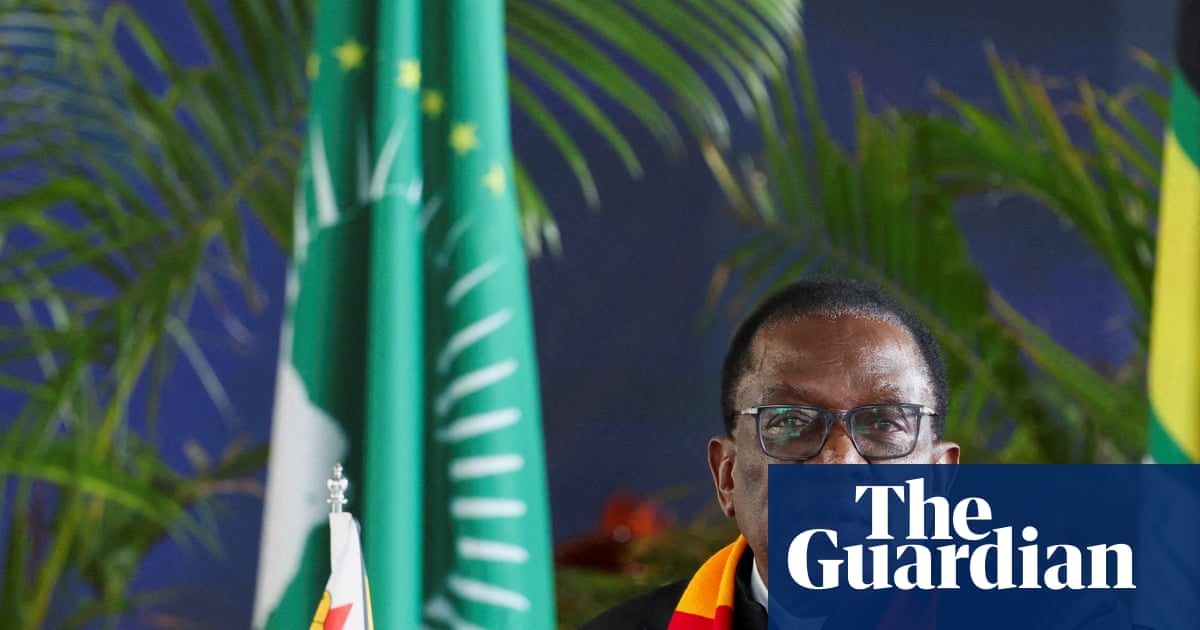
Zimbabwe stands at a critical juncture, as its Senate recently endorsed sweeping constitutional amendments poised to dramatically alter the nation’s political landscape. These controversial changes, which include extending the Zimbabwe presidential term from five to seven years, have ignited a fierce debate, with opposition factions decrying them as a calculated ‘constitutional coup.’
The upper house of Zimbabwe’s parliament voted decisively, 75-4, in favour of these contentious amendments. This pivotal vote now paves the way for President Emmerson Mnangagwa, now 83, to potentially remain in office until 2030. Furthermore, the bill, which has already received approval from the lower house, seeks to replace direct presidential elections with appointments made by parliament. This particular alteration is viewed by many as a direct assault on the fundamental principle of popular sovereignty. The President, often referred to as “the Crocodile,” is expected to sign this bill into law next month, a move that critics fear will further consolidate the formidable grip of his Zanu-PF party, which has governed Zimbabwe since its independence in 1980.
Debate Rages Over Zimbabwe Presidential Term Changes
Opposition figures are vocal in their alarm. Makomborero Haruzivishe, a spokesperson for the Constitutional Defenders Forum (CDF), starkly termed the legislative action “a calculated constitutional coup against the people of Zimbabwe.” He articulated profound concerns, stating it “strips citizens of the fundamental right to directly elect their president.” The potential for Zimbabwe to regress into the era of repression reminiscent of Robert Mugabe’s 37-year rule, which concluded with a military-backed resignation in 2017, looms large in the minds of critics. This extension of the Zimbabwe presidential term is seen by many as a troubling echo of past authoritarian tendencies.
However, the government staunchly defends its actions. Nick Mangwana, the permanent secretary in Zimbabwe’s information ministry, vehemently rejected the “coup” characterization. He argued that the “legitimate legislative exercise” aims “to enhance political stability and ensure policy continuity.” Mangwana clarified, “We are not removing presidential term limits, we are simply adjusting the electoral cycle to reduce the frequency of highly contested, polarising elections.” He also dismissed calls for a referendum, citing the attorney general’s finding of no legal basis for requiring a people’s vote.
Amidst this legislative upheaval, troubling reports of harassment against amendment opponents have surfaced. Tendai Biti, a CDF convenor, claimed security forces had repeatedly entered his office without cause since October 2025. Similarly, lawyer Lovemore Madhuku, who had filed a constitutional court challenge to the amendment bill, alleged he was physically assaulted by unidentified, balaclava-clad men who then drove off, reportedly followed by police vehicles. The Zimbabwean police, in official statements, have denied any involvement in these incidents, urging complainants to formally lodge reports if they possess credible evidence against state agents.
The government also pointed to a public consultation process that reportedly yielded 537,000 submissions, with an “overwhelming majority supporting the constitutional changes.” Yet, Jameson Timba, a former minister during Zimbabwe’s government of national unity from 2009 to 2013, painted a starkly different picture, claiming he and his allies were systematically denied opportunities to speak during these public hearings, dismissing them as “a fraud.”
This latest political maneuver unfolds against a backdrop of ongoing international scrutiny. In 2024, the United States imposed targeted economic measures on President Mnangagwa, his wife, Auxillia, and nine other individuals, citing allegations of corruption. For many, the current administration’s trajectory feels like a continuation of the problematic governance that isolated Zimbabwe globally in the 2000s, especially after the contentious farm seizures. The extension of the Zimbabwe presidential term is therefore viewed not in isolation, but as part of a broader pattern of consolidating power, raising serious questions about the nation’s democratic future.
About the Author