A quiet Canadian city, known for its tranquil prairie landscapes, found itself abruptly thrust into the national spotlight this week. The recent Montreal shooting, a harrowing incident that sent shivers through the nation, has now cast a long shadow all the way to Lethbridge, Alberta.
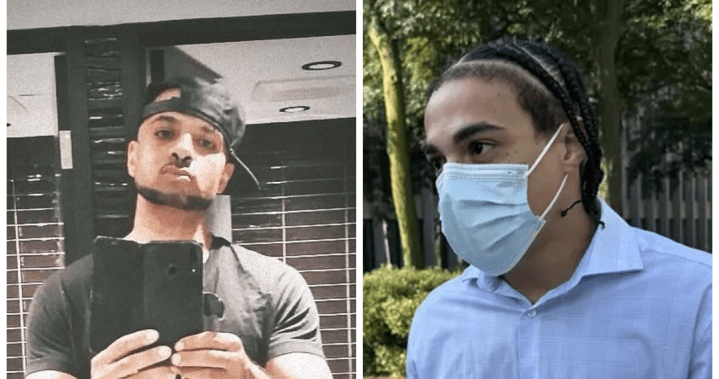
Residents in a unassuming townhouse complex here are grappling with a profound sense of shock and disbelief after learning that the man accused in the horrific June 22nd events, 25-year-old Seth Scott Hatfield, once called their community home. The revelation has left many questioning the hidden lives beneath seemingly calm exteriors.
Unveiling the Lethbridge Connection to the Montreal Shooting
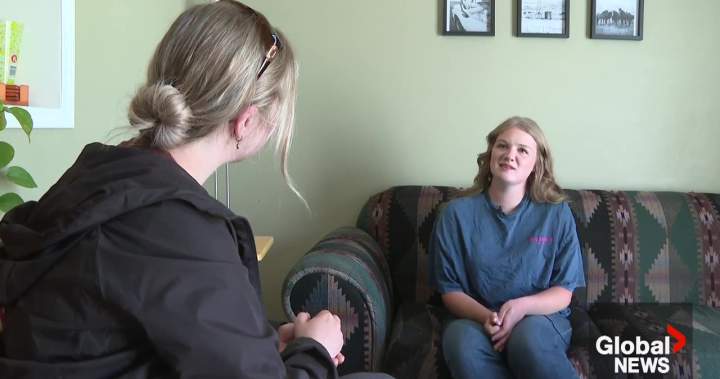
Among those reeling is Anika Medema, a neighbour who occasionally saw Hatfield in passing but never truly knew him. “He wasn’t very approachable. Kept to himself, really,” Medema recounted, painting a picture of a solitary figure in an otherwise bustling neighbourhood. Her observations, though brief, now take on an unsettling new significance in light of the grave allegations.
The quietude of their Lemoyne Crescent complex was shattered on Tuesday, just a day after the Montreal tragedy unfolded. Medema returned home that morning to an overwhelming scene: police vehicles swarmed the area, officers were everywhere, and a high-risk search was underway at one of the units. It was a transformation she never could have anticipated in her peaceful community.
Lethbridge police meticulously searched a unit within the complex for hours, meticulously piecing together potential links and evidence connected to the national investigation. The sudden, intense law enforcement presence served as a stark reminder of the far-reaching consequences of violent crime, disrupting daily routines and igniting widespread concern. For more context on the complexities of such investigations, explore official government resources regarding police procedures.
The University of Lethbridge has since confirmed that Hatfield was a student there, extending its deepest condolences to all those affected by the incomprehensible violence. This local tie-in deepens the community’s struggle to comprehend the alleged actions of someone who walked their streets and attended their institutions.
“You never know who you walk past,” Medema mused, echoing a sentiment many now share. Herself a university student, she reflects on the unsettling truth that underlies this case: the profound, often impenetrable mystery of what truly transpires behind closed doors. “You don’t really know your neighbour that well, so anything could be happening.”
About the Author