
Transit advocates call for low-income transit pass as TransLink fares increase
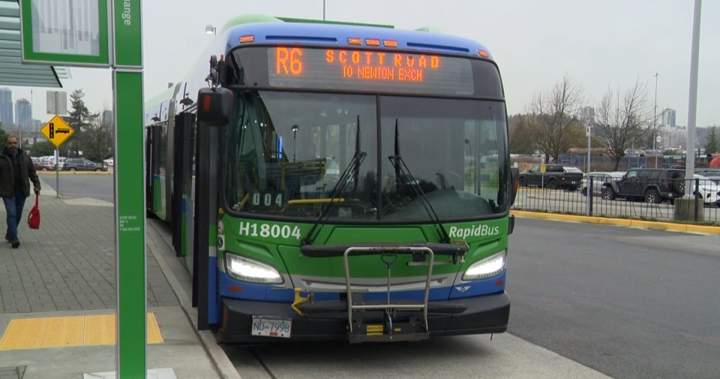
Metro Vancouver commuters face a fresh financial squeeze after TransLink implemented a five per cent fare increase on July 1. This hike has ignited a fervent campaign among transit and poverty reduction advocates, who gathered in Vancouver on Canada Day to demand the swift introduction of a vital low-income transit pass.
The Growing Call for a Low-Income Transit Pass
For many, public transit isn’t a luxury; it’s a lifeline. Denis Agar, executive director of the advocacy group Movement, articulated the urgency at the recent rally. “It’s never been more necessary to have a pass that makes it more affordable for people with lower incomes,” Agar stated emphatically. He further highlighted Vancouver’s peculiar position, noting, “We’re one of the only cities left that doesn’t have it on the continent, so it’s overdue.” Movement actively campaigns for the province to broaden B.C.’s existing Bus Pass program, which currently serves only seniors and individuals with disabilities, to encompass all low-income adults.
The personal impact of such a pass is profound, as described by Phillip Vargas, a dedicated volunteer with Movement. “It really allows peace of mind,” Vargas shared, detailing how it enables him to manage his time effectively, free from the burden of “counting pennies.” He emphasized the independence it fosters: “It allows me to be independent.” This sentiment underscores the transformative potential of an accessible low-income transit pass for countless individuals striving to navigate daily life.
The recent fare adjustments mean some riders will now face an annual cost of up to $2,500 for a three-zone pass. This substantial sum, Agar pointed out, represents an “unbearable burden” for many just trying to reach work or school. The continuous escalation of transit costs exacerbates an already challenging situation for Vancouver’s most vulnerable residents, making the call for a dedicated low-income transit pass louder than ever.
In response to the growing concerns, the Transportation Ministry issued a statement acknowledging its investment of hundreds of millions of dollars into improving transit services. They also emphasized that existing subsidies already benefit seniors, individuals with disabilities, youth, and students. However, advocates contend this doesn’t fully address the broad spectrum of low-income adults who struggle with mounting transportation expenses.
Before joining the discussion, please review our community guidelines.