
Sudan’s RSF committed crimes against humanity in El Fasher, Amnesty says
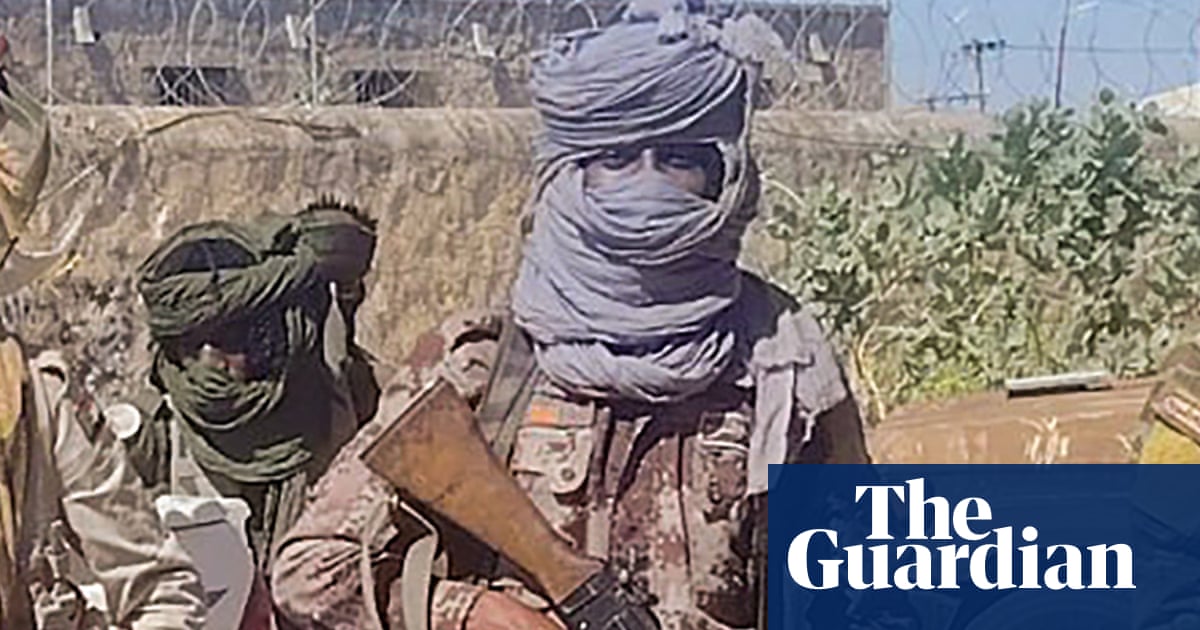
A damning new report from Amnesty International has shone a harsh spotlight on the escalating crisis in Sudan, alleging that the Rapid Support Forces (RSF) committed abhorrent crimes against humanity and ethnic cleansing during their brutal campaign to seize El Fasher. The human rights watchdog’s findings paint a chilling picture, detailing a horrifying campaign of El Fasher atrocities that have decimated civilian populations and left deep scars on the region.
The report, released this week, meticulously documents a litany of offenses, including murder, torture, systematic rape, enslavement, and sexual slavery. These egregious acts, carried out as part of a widespread and systematic assault on civilians, undeniably constitute crimes against humanity. Alarmingly, Amnesty also points to the deliberate targeting of children during these attacks within North Darfur state. The very fabric of society has been torn asunder.
Unveiling the Depth of El Fasher Atrocities
Last October, the paramilitary force eventually captured El Fasher, the final bastion of the Sudan armed forces in the expansive Darfur region, following a protracted 18-month siege. This brutal takeover was not merely a military maneuver; it was marked by widespread massacres, leaving tens of thousands dead. An independent UN fact-finding mission had previously indicated that the RSF’s actions bore the “hallmarks of genocide” against non-Arab communities.
To compile this comprehensive report, Amnesty interviewed a staggering 247 individuals, including 208 survivors who endured the fighting in the city and its surrounding areas. They also scrutinized extensive documentary and video evidence, complementing their findings with rigorous analysis of satellite imagery from North Darfur. The conclusion is stark: the RSF engaged in war crimes and persecution on the basis of ethnicity between mid-2024 and late 2025. The sheer scale and barbarity underscores the systemic nature of these harrowing El Fasher atrocities.
The destruction of towns and villages, such as Abu Zerega, predominantly inhabited by non-Arab ethnic groups, between December 2024 and March 2025, aligns perfectly with the definition of ethnic cleansing. These ruthless abuses have tragically orphaned countless children and displaced hundreds of thousands more, leaving them vulnerable to death and injury during the relentless attacks or their desperate flight for safety. Agnès Callamard, Amnesty International’s secretary general, lamented, “The war in Sudan is a war on civilians. The world was warned of the horrors that civilians in El Fasher confronted as the RSF laid siege to the city. It is a stain on the conscience of humanity.”
The report doesn’t shy away from naming names, identifying three RSF commanders—Maj Gen Gedo Hamdan Ahmed Mohamed (“Abu Shok”), Lt Col Abbas Khater Bakhit, and Al-Fateh Abdullah Idris (“Abu Lulu”)—as responsible for severe violations of international law. The wider Sudanese civil war, a devastating power struggle between Gen Abdel Fattah al-Burhan’s Sudan armed forces and Gen Mohamed Hamdan Dagalo’s RSF, ignited in April 2023. This ongoing conflict has already claimed hundreds of thousands of lives and displaced millions.
Amnesty International’s urgent plea for an immediate ceasefire and the swift deployment of an international force to safeguard civilians resonates deeply. Callamard’s impassioned statement encapsulates the gravity of the situation: “The international community must move beyond statements of concern and take concrete steps to protect civilians, breaking the cycle of impunity.” It is imperative that the international community act on the findings regarding these devastating El Fasher atrocities and demand accountability.