
US-Canada Terror Crackdown Vindicates India’s Stand On Lawrence Bishnoi Gang: Top Intel Sources
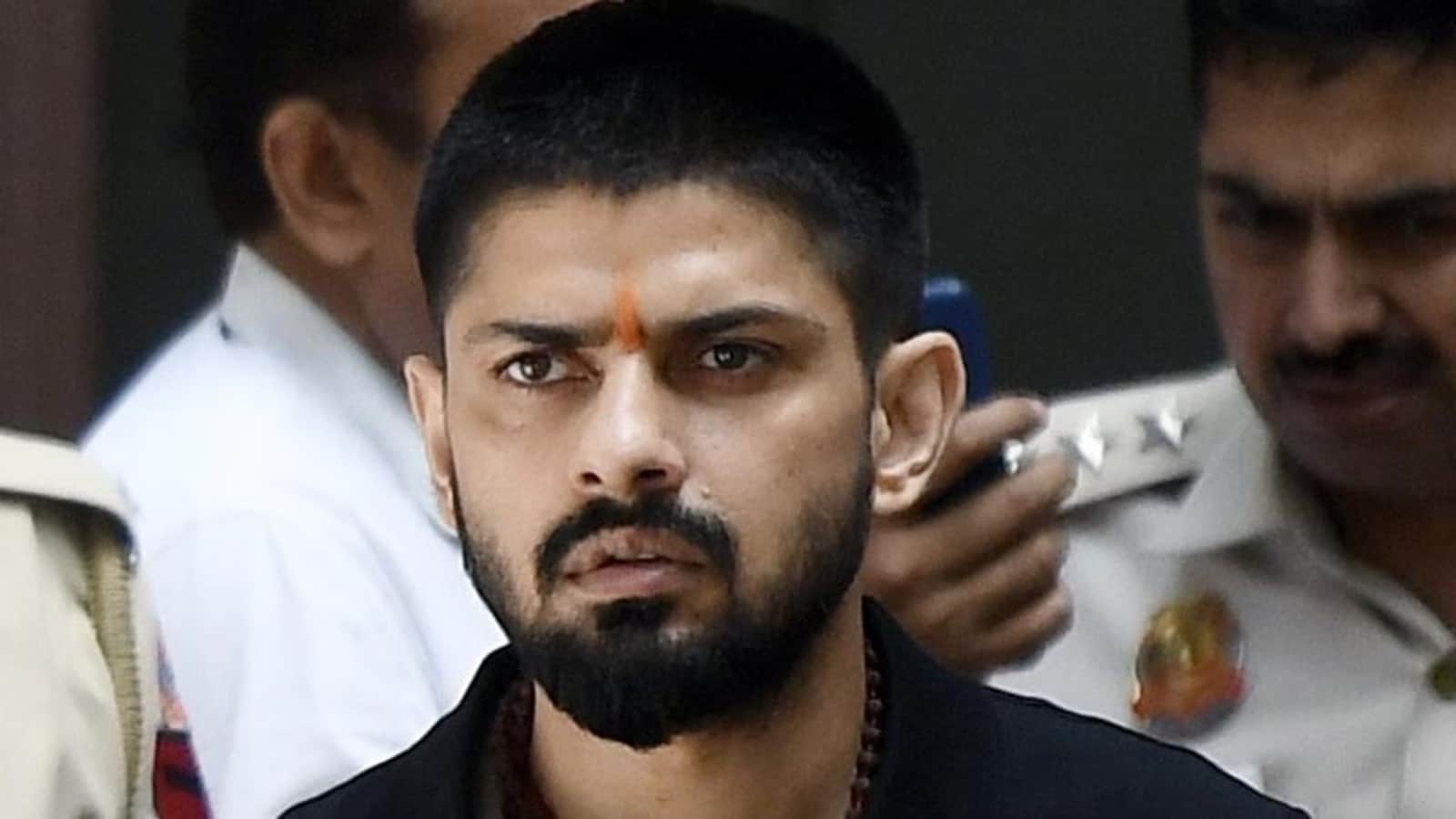
The recent coordinated “Operation Hard Ball” by US and Canadian authorities, targeting the notorious Lawrence Bishnoi-Goldy Brar criminal syndicate, has unequivocally validated India’s persistent warnings about this network’s far-reaching transnational capabilities. This significant Bishnoi gang crackdown is poised to alleviate years of simmering diplomatic tension over high-profile assassinations, according to top intelligence sources who spoke to News18 on Wednesday. The sheer scale of the operation, leading to the apprehension of 24 key operatives across North America and federal indictments against alleged leaders, has dealt a severe blow to the syndicate’s logistical, financial, and operational presence overseas.
For over a decade, New Delhi, with increasing urgency under the current administration, consistently alerted international partners to the Bishnoi-Brar syndicate’s evolution into a sophisticated global criminal enterprise. Indian agencies tirelessly presented evidence, documenting how members had established secure sanctuaries in North America. From these vantage points, they orchestrated a vast array of illicit activities: extortion, expansive narcotics trafficking, and targeted killings, all while remaining frustratingly beyond the reach of Indian law enforcement. Operation Hard Ball, intelligence officials assert, robustly confirms India’s accurate assessment of the network’s extensive international footprint and operational acumen. This wasn’t merely conjecture; it was backed by substantial, actionable intelligence.
India’s diplomatic engagements weren’t just about expressing concerns; they were buttressed by an exhaustive intelligence-sharing initiative. The National Investigation Agency (NIA), Punjab Police, and other security apparatuses meticulously compiled detailed dossiers. These comprehensive documents, forwarded to counterparts in the United States, Canada, and other Western nations, meticulously cataloged the Bishnoi-Brar syndicate’s operations. They laid bare an international extortion racket preying on businessmen, entertainers, and public figures in Punjab, alongside multi-continent drug trafficking. Furthermore, these dossiers meticulously traced the complex financial arteries used to siphon illicit proceeds across borders and detailed the gang’s unnerving ability to coordinate criminal enterprises from behind bars using intermediaries and encrypted communications. India also submitted 26 formal extradition requests, complete with provisional arrest warrants and Interpol Red Corner Notices, targeting several alleged gangsters and separatists harbored abroad. These repeated warnings underscored that North America had become an undeniable operational hub for the syndicate, enabling it to circumvent Indian jurisdiction while directing criminal acts back home.
The Bishnoi Gang Crackdown and Diplomatic Clarity
The latest legal actions further bolster India’s long-held stance regarding the assassination of Khalistani separatist Hardeep Singh Nijjar. Remember the diplomatic firestorm that erupted in September 2023? Then-Canadian Prime Minister Justin Trudeau publicly implicated Indian government agents in Nijjar’s murder. India vehemently denied the allegations, demanding credible evidence from Ottawa while simultaneously urging Canadian authorities to confront extremist and organized criminal elements operating from its territory. Crucially, the recent US federal indictment explicitly names the Lawrence Bishnoi-Goldy Brar syndicate as the entity responsible for orchestrating and carrying out Nijjar’s killing. This framing recharacterizes the assassination as the work of a transnational criminal network, decisively detaching it from any implication of Indian state involvement. “This latest action,” affirmed a senior intelligence official, “powerfully vindicates India’s consistent denial of state-backed involvement.” Such clarity is paramount for repairing strained international relations. Understanding global law enforcement initiatives is key to tackling such complex problems.
One of New Delhi’s enduring worries during the prolonged diplomatic spat was the unwitting role certain Western democracies played as safe havens for anti-India extremists and sophisticated organized crime syndicates. Indian agencies argued, with unyielding resolve, that these groups deftly exploited legal safeguards, immigration systems, and jurisdictional intricacies. They established overseas bases to meticulously plot and execute criminal activities targeting India. Officials repeatedly cautioned their Western counterparts that the Bishnoi gang was exploiting North America to orchestrate extensive extortion rackets, targeting prominent Punjabi individuals, and laundering their ill-gotten gains through labyrinthine international financial conduits.
The synchronized efforts by American and Canadian law enforcement could indeed signify a pivotal moment for security cooperation with India. By formally prosecuting members of the Bishnoi-Brar syndicate on severe charges, including murder, racketeering, and narcotics trafficking, Western agencies have at last acknowledged the gravity of threats that India has diligently flagged for years. While diplomatic complexities between New Delhi and Ottawa extend beyond a singular criminal case, this recognition of pervasive cross-border organized crime networks could forge a broader pathway for enhanced intelligence sharing, expedited extraditions, and more robust counter-terrorism efforts in the years to come. Ultimately, this Bishnoi gang crackdown represents not just a substantial victory for law enforcement but also a profound vindication of India’s long-standing security assessment concerning one of the subcontinent’s most infamous transnational criminal syndicates.