
Is India’s E20 Petrol a Game Changer or a Risk? | Truth Behind the Ethanol Debate | News18
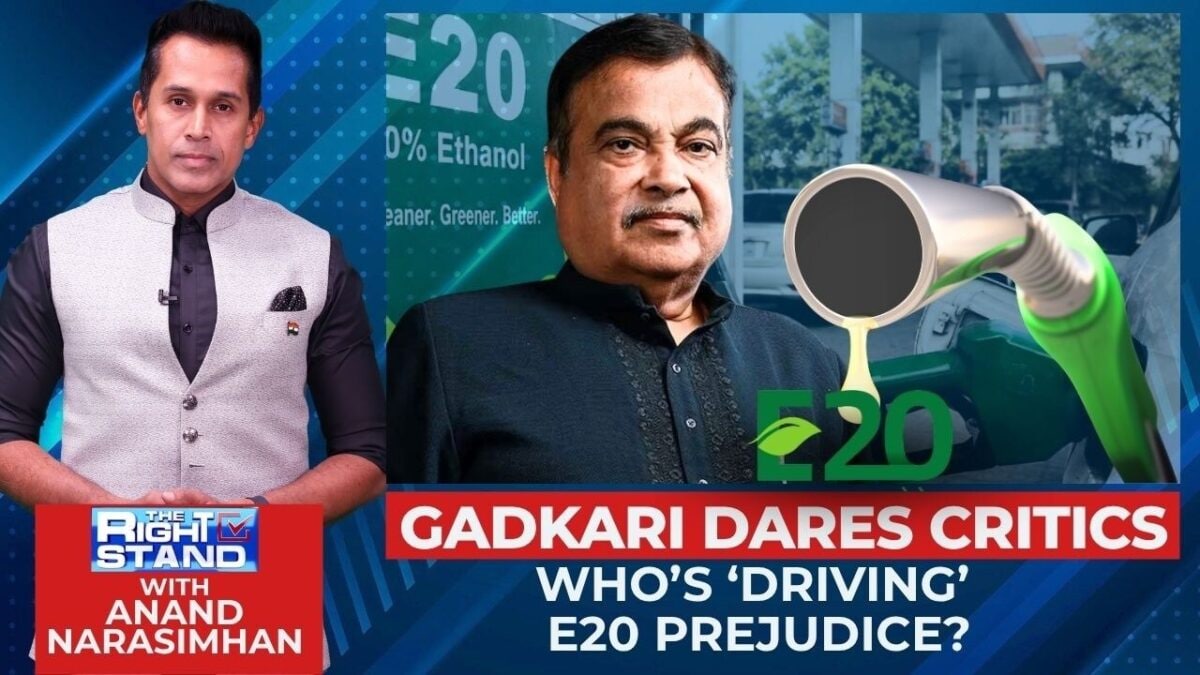
India is on the cusp of a significant energy transition, with the widespread adoption of E20 Petrol India at the heart of a fervent national debate. This ambitious policy, mandating a 20% ethanol blend in gasoline, has ignited passionate arguments among policymakers, environmentalists, and consumers alike. Is it the monumental leap forward the nation desperately needs, or does it harbor hidden dangers for our vehicles and the environment?
Proponents herald E20 as a multifaceted solution to some of India’s most pressing challenges. By substantially reducing the country’s reliance on costly crude oil imports, the government envisions significant economic savings and bolstered energy security. Furthermore, the initiative promises a boon for agricultural communities, providing a stable market for ethanol production from crops. The environmental benefits are also touted; officials point to a projected reduction in carbon emissions, a crucial step in combating climate change and improving air quality in urban centers.
Understanding the Impact of E20 Petrol India
However, the enthusiasm is not universal. A chorus of critics voices serious concerns that simply cannot be ignored. There are questions surrounding the real-world impact on fuel efficiency, with many experts suggesting a potential decrease, meaning motorists might need to refuel more frequently. A more critical issue revolves around vehicle compatibility. While newer vehicles are often designed to accommodate higher ethanol blends, a substantial portion of India’s existing automotive fleet might not be adequately equipped. This raises fears of accelerated wear and tear, potential damage to engine components, and diminished long-term performance for countless car and bike owners.
The long-term effects on engine health, particularly in older vehicles, remain a subject of intense scrutiny. Critics argue that ethanol, being hygroscopic, can absorb moisture, potentially leading to corrosion in fuel systems not designed for it. This isn’t a minor inconvenience; it could translate into costly repairs and reduced vehicle lifespans for millions. For a deeper dive into the government’s perspective on this strategic fuel shift, you can review official government statements.
As E20 Petrol India rolls out across the nation, the dual narrative persists. On one side, the promise of a greener, more self-reliant energy future shines brightly. On the other, the shadows of practical challenges and potential drawbacks loom large. The true measure of this policy’s success will undoubtedly emerge as it unfolds, impacting everything from national budgets to the daily commutes of ordinary citizens.