
Trump says US has ‘agreed’ to continue Iran talks but ceasefire ‘over’
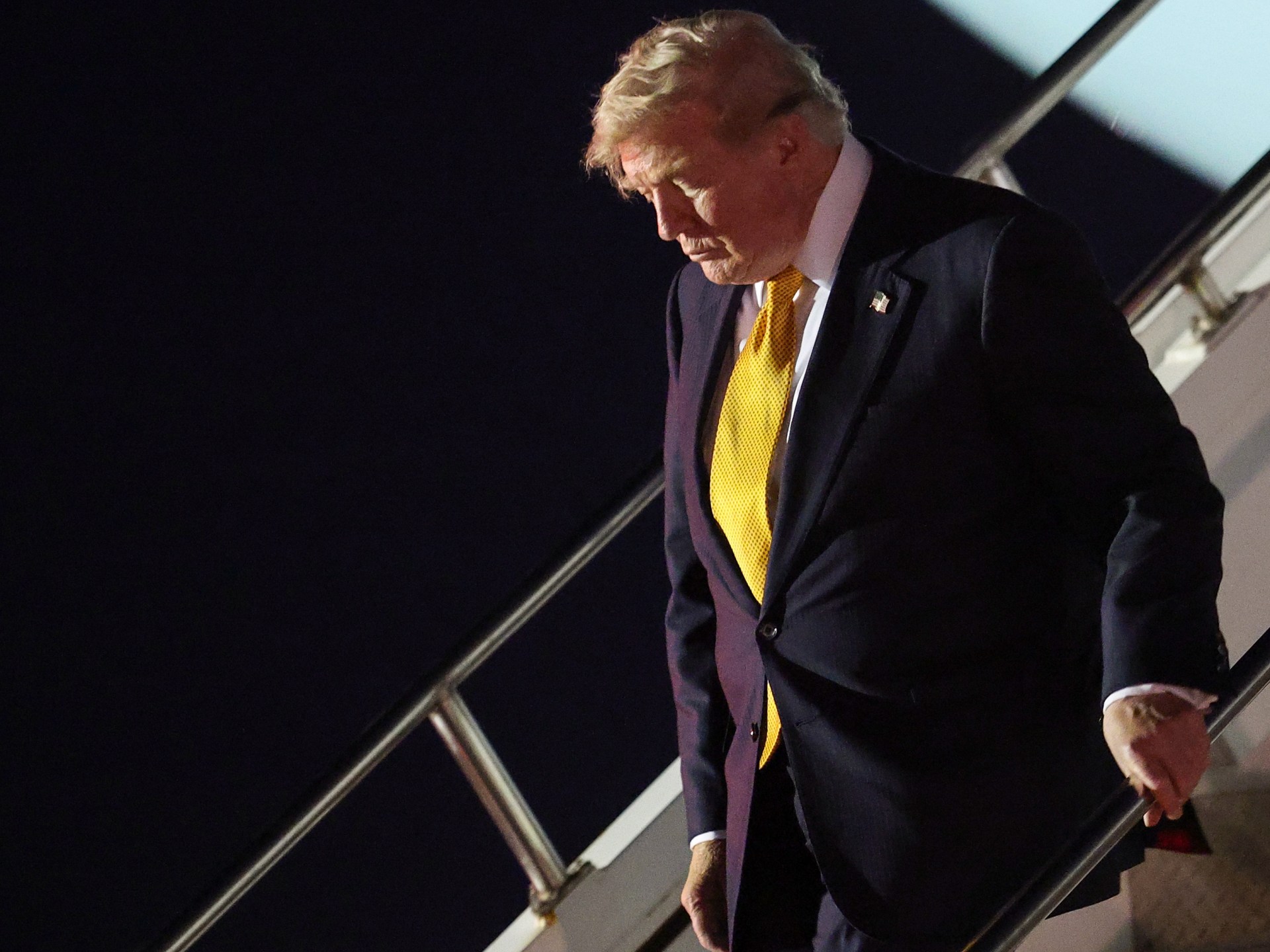
United States President Donald Trump has intimated a willingness to resume Iran negotiations, a startling development amidst a renewed flurry of hostilities over the critical Strait of Hormuz. This unexpected overture comes as new attacks on commercial shipping in the vital waterway threaten to reignite the broader conflict that initially erupted on February 28.
In a social media post on Friday, the President declared, "The Islamic Republic of Iran has asked us to continue ‘talks’… We have agreed to do so, but the United States has stated to them, in no uncertain terms, that the Cease Fire is OVER!" This statement arrived even as he publicly asserted the conclusion of the June 17 ceasefire agreement.
Tehran, for its part, has remained conspicuously silent, offering no immediate confirmation of any request to restart diplomatic engagement. The contrasting narratives surrounding their interactions have become a hallmark of the US-Israeli war against Iran, which has seen both sides offer wildly divergent accounts of events since its inception.
The latest escalation, a two-day exchange of fire over the passage of commercial traffic in the Strait of Hormuz, marks a perilous juncture. US Central Command reports approximately 170 targets struck in Iran since Tuesday, with Tehran promptly retaliating against American assets across the region. This current offensive poses the gravest threat yet to the June 17 memorandum of understanding (MoU), which had aimed to halt fighting, lift a US naval blockade, and reopen the strait.
Critically, Trump’s recent post offered no clarity on whether the referenced discussions would focus on de-escalation or delve into the long-standing issues intended for resolution within 60 days of the MoU’s signing. These complex dossiers include Iran’s contentious nuclear program, the unfreezing of Iranian assets, and the future administration of the Strait of Hormuz. Earlier in the week, despite threatening to attack Iranian oil and water infrastructure and "take control" of Kharg Island, the President also claimed the US was not seeking a return to full-scale war.
Qatari Diplomacy and the Future of Iran Negotiations
As the diplomatic chess game unfolds, Qatari officials were reportedly in Iran on Friday, striving to "de-escalate tensions… and create the conditions for a sort of broader negotiations to continue in Qatar or Pakistan," according to Al Jazeera correspondent Victoria Gatenby reporting from Doha. Sheikh Mohammed bin Abdulrahman bin Jassim Al Thani, Qatar’s prime minister and foreign minister, separately appealed to both the US and Iran to honor their commitments during a call with Egypt’s foreign minister.
Both Washington and Tehran have accused the other of violating June’s memorandum of understanding. Iranian officials maintain the memo grants them influence over vessel transit through Hormuz, justifying attacks on non-compliant ships. Conversely, the US insists the agreement guarantees unfettered passage.
Despite the finger-pointing, both nations possess strong incentives for a return to diplomacy. The ongoing conflict remains politically unpopular in the US, potentially undermining Trump’s Republican Party in the upcoming November midterm elections. Iran’s beleaguered economy, severely impacted by the conflict, would also benefit immensely from accessing frozen funds and the lifting of sanctions. Reviving meaningful Iran negotiations will demand more than mere symbolic gestures.
Military analyst Alex Alfirraz Scheers told Al Jazeera that any forthcoming talks are likely to yield "very little" without a concerted effort to rebuild trust. "I think in many ways they’re almost symbolic," he opined. "Until there is genuine momentum with regards to trust-building and confidence-building, in the current context these talks will likely lead nowhere." Understanding the complex web of international relations in the region is key to any long-term stability. These potential Iran negotiations remain shrouded in uncertainty, their outcome pivotal for regional stability.