
‘Privacy Violated’: Bombay HC Raps Police For Entering Woman’s Bedroom, Seizing Phone; Slaps Rs 10,000 Fine
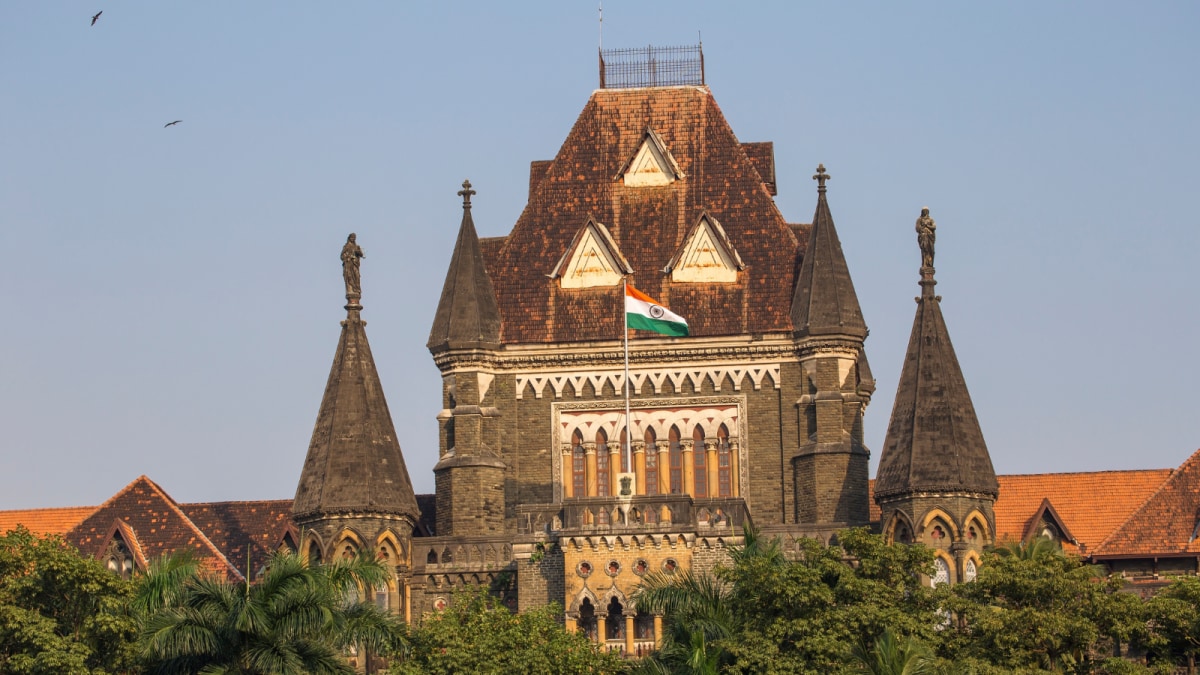
In a landmark judgment that reverberates through the corridors of justice, the Bombay High Court has unequivocally stated that law enforcement agencies cannot transgress the sacrosanct right to privacy, even during an investigation. The court sternly rebuked police for a glaring privacy violation, specifically for forcibly entering a woman’s bedroom and seizing her mobile phone without adhering to proper legal protocols, deeming the acts illegal and a profound infringement on her fundamental rights.
A Nagpur bench, comprising Justices Urmila Joshi Phalke and Nivedita Mehta, has directed the Maharashtra government to pay a sum of Rs 10,000 as compensation to the 26-year-old petitioner. This decisive order, passed last week and made public on Monday, sends a potent message: the constitutional safeguards afforded to citizens are not mere suggestions but inviolable mandates.
Police Action: A Clear Privacy Violation
The judiciary underscored the gravity of the incident, stressing that the right to privacy is an “integral and inseparable part” of the fundamental right to life and personal liberty enshrined in Article 21 of the Indian Constitution. This cannot be breached under any pretext, the judges asserted with unyielding clarity.
Entering a private residence, particularly a woman’s sleeping quarters, without strict adherence to statutory safeguards, constitutes an egregious breach. “Entry into the residential premises of a citizen, more particularly into the bedroom occupied by a woman, without adherence to the statutory safeguards and forcible seizure of her mobile phone constitutes a serious invasion of privacy and dignity,” the court observed. The police’s contention that the search was a necessary part of an ongoing investigation into a car accident was summarily dismissed. Investigating agencies, the bench highlighted, must operate strictly within the confines of the law; an investigation simply cannot legitimize an otherwise unlawful search or seizure. Such actions lead to a blatant privacy violation that erodes public trust.
Upholding Constitutional Rights
Both the search conducted by the police officer and the subsequent seizure of the petitioner’s mobile phone were thus declared unequivocally illegal, a direct affront to her fundamental rights. Recognizing this profound injustice, the court mandated the Maharashtra government to disburse the Rs 10,000 compensation within two months. Furthermore, a crucial caveat was added: the state reserves the right to recover this amount from the individual police officer found responsible for the unauthorized actions. This specific directive aims to ensure accountability within the force, discouraging future instances of severe privacy violation.
The petitioner, a resident of Saoner in Nagpur, had recounted a harrowing experience. She alleged that police officers repeatedly intruded upon her home and bedroom, seizing her phone for two days without proper notice or adherence to the Bharatiya Nagarik Suraksha Sanhita. Crucially, neither she nor her husband were ever named as accused in the purported car accident case. This pattern of alleged harassment exacerbated the sense of violated sanctity, amplifying the impact of the illegal intrusion.
While monetary compensation can never truly redress the profound invasion of privacy and dignity, the High Court posited that this award offers a measure of solace for the infringement of her constitutional rights. More importantly, it serves as a stark reminder to all police and investigating agencies that their extensive powers must be wielded judiciously, strictly in accordance with legal provisions, and never in an arbitrary or reckless manner. The sanctity of individual privacy remains paramount.