
Iran threatens to block more trade routes as US launches fresh strikes
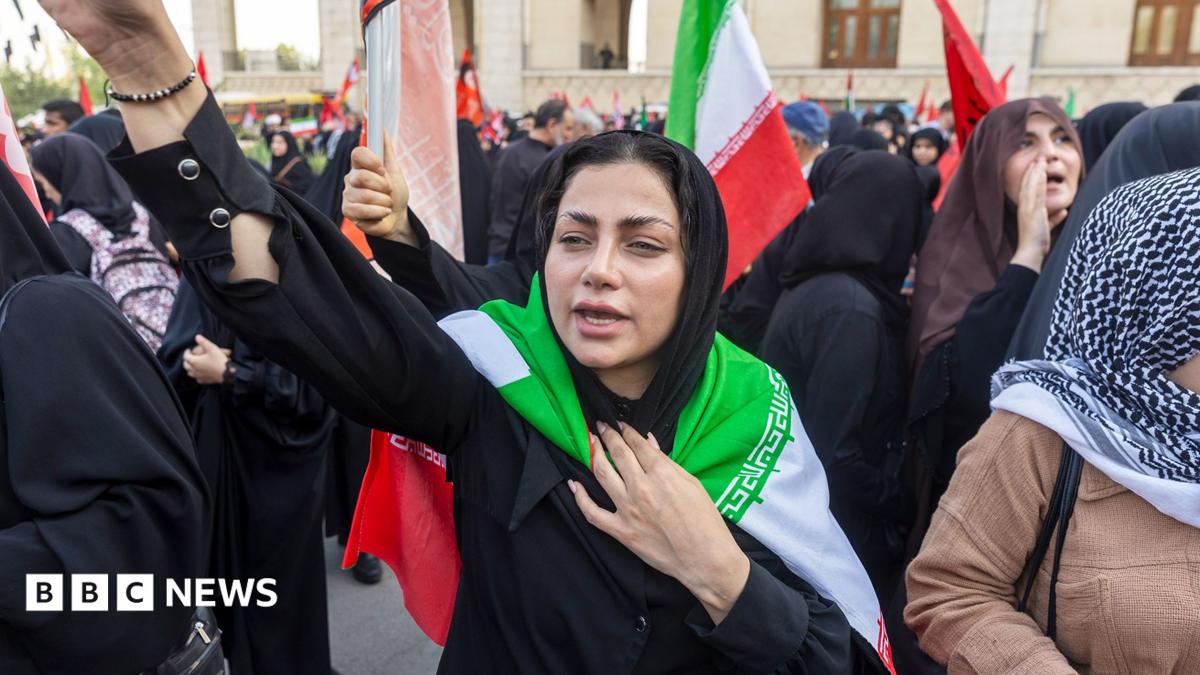
Iran has dramatically upped the ante, threatening to seal off the vital Strait of Hormuz as the United States unleashes a fresh barrage of military strikes across the region. This perilous escalation risks severing a critical artery for global trade, sending shockwaves through international markets and intensifying an already fraught geopolitical landscape.
The Islamic Revolutionary Guard Corps (IRGC) declared the strait would remain inaccessible until American “acts of aggression” cease, further menacing the closure of other regional oil and gas export channels. This came precisely as the US Central Command (Centcom) confirmed multiple drone, air, and navy operations against Iranian targets on Wednesday morning, following a lengthy seven-hour overnight assault.
The Strategic Strait of Hormuz at Stake
The recent surge in hostilities between Washington and Tehran starkly highlights the immense strategic significance of this narrow waterway to the world economy. Tanker traffic through the strait has practically ground to a halt, directly fueling a sharp spike in crude oil prices, a palpable consequence of this escalating brinkmanship.
Centcom officials asserted Wednesday’s morning strikes, which included a 90-minute wave targeting coastal defenses and cruise missile sites on Greater Tunb Island, have “further degraded Iran’s ability to attack commercial shipping in the Strait of Hormuz.” The goal, they stated, is to protect commercial shipping routes vital for global energy supply.
Adding another layer to the volatile situation, US President Donald Trump, just a day prior, pledged to target Iran’s bridges and power plants next week if diplomatic talks remain stalled. “I’ll save the energy targets for last,” Trump ominously stated in a recent interview, “but ultimately we’ll hit energy targets.”
This bellicose rhetoric follows Trump’s earlier reversal on a proposed 20% toll in the Strait of Hormuz, which he’d previously suggested replacing with “massive” trade and investment deals. His prior threat in April to bomb civilian infrastructure, however, drew swift condemnation from UN human rights chief Volker Türk, who unequivocally labeled such actions as war crimes under international statutes.
The re-imposition of a US blockade on Iranian ports Tuesday evening, halting all vessel transit, directly contradicts a recent memorandum of understanding designed to de-escalate the conflict. In retaliation, Iran’s state broadcaster reported its army had launched separate attacks on US targets within allied nations — Jordan, Kuwait, and Bahrain — whose forces also claimed to have intercepted drones and missiles originating from Iran.