
São Tomé and Príncipe heads to polls in tense presidential election
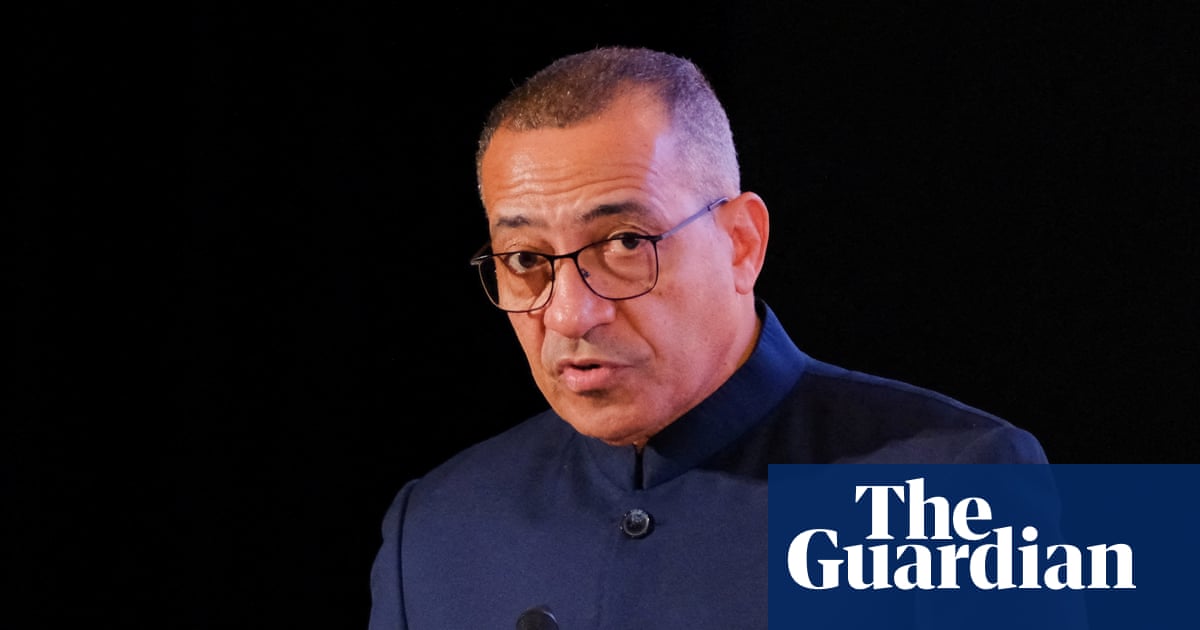
The Democratic Republic of São Tomé and Príncipe, a diminutive island nation off Africa’s western coast, is bracing itself for a highly anticipated presidential election this Sunday. Voters head to the polls amidst an palpable air of political tension and an ongoing constitutional crisis, marking a significant departure from its traditionally placid democratic history. The upcoming São Tomé Election sees incumbent President Carlos Vila Nova, once a standard-bearer for the ruling Acção Democrática Independente (ADI) party, now vying for a second term as a fiercely independent candidate.
Understanding the Dynamics of the São Tomé Election
For nearly half a century since achieving independence from Portugal in 1975, this archipelago has cultivated a sterling reputation for conducting peaceful, fiercely contested elections. Yet, the current electoral cycle feels remarkably different. A total of 142,000 registered voters are expected to cast their ballots, with roughly 15% residing in the diaspora, eager to shape the nation’s future.
President Vila Nova’s decision to run independently, abandoning the party that propelled him to power just five years prior, lies at the heart of much recent discord. The rift with the ADI deepened significantly last January following his contentious dismissal of Prime Minister Patrice Trovoada. This move triggered a rapid succession of replacements, including Ilza Amado Vaz, who resigned after a mere three days, before Américo Ramos eventually assumed the premiership.
The field of contenders is crowded. Vila Nova faces four challengers, notably Nito D’Abreu, the ADI parliamentary leader. Intriguingly, former Prime Minister Jorge Bom Jesus remains on the ballot despite a failed attempt to withdraw his independent candidacy. A broad coalition, encompassing the main opposition Movement for the Liberation of São Tomé and Príncipe—traditionally staunch ADI rivals—now rallies behind the sitting president. Conversely, an ADI faction, led by the current Prime Minister Ramos, has thrown its weight behind D’Abreu. Should no candidate secure more than 50% of the vote, a second round will inevitably follow.
Adding another layer of complexity, businessman Domingos Monteiro, affectionately known as “Nino” and president of the São Toméan Football Federation since 2015, found his candidacy disqualified by the constitutional court. The ruling cited eligibility requirements, specifically concerning his parents’ naturalization status after their move from Cape Verde. Monteiro vehemently decried the decision, asserting, “The constitutional court is violating the principle of equal rights… It is time for descendants born in São Tomé and Príncipe to say no to discrimination, to the culture of xenophobia and persecution.”
For the average voter, the stakes are profoundly personal. Rampant government corruption, persistent high inflation, crushing youth unemployment, chronic fuel shortages, and incessant blackouts dominate public discourse. These critical issues present formidable hurdles for Vila Nova’s second term aspirations, potentially paving the way for rivals in this crucial São Tomé Election. Indeed, Nito D’Abreu starkly declared at a recent debate that corruption represents “the greatest catastrophe the country has experienced in this half-century [of independence].”
Beyond its internal political machinations, São Tomé and Príncipe holds strategic importance as a dependable Western ally, crucial for security and maritime trade within the Gulf of Guinea — a global hotspot for piracy. Furthermore, its offshore oil reserves contribute significantly to the national economy. As the democratic process unfolds, international observation missions from entities such as the European Union, G7+, and the Community of Portuguese Language Countries are on the ground, meticulously monitoring the integrity of the polls. To stay informed on other significant international developments, you might find various global news outlets insightful.