
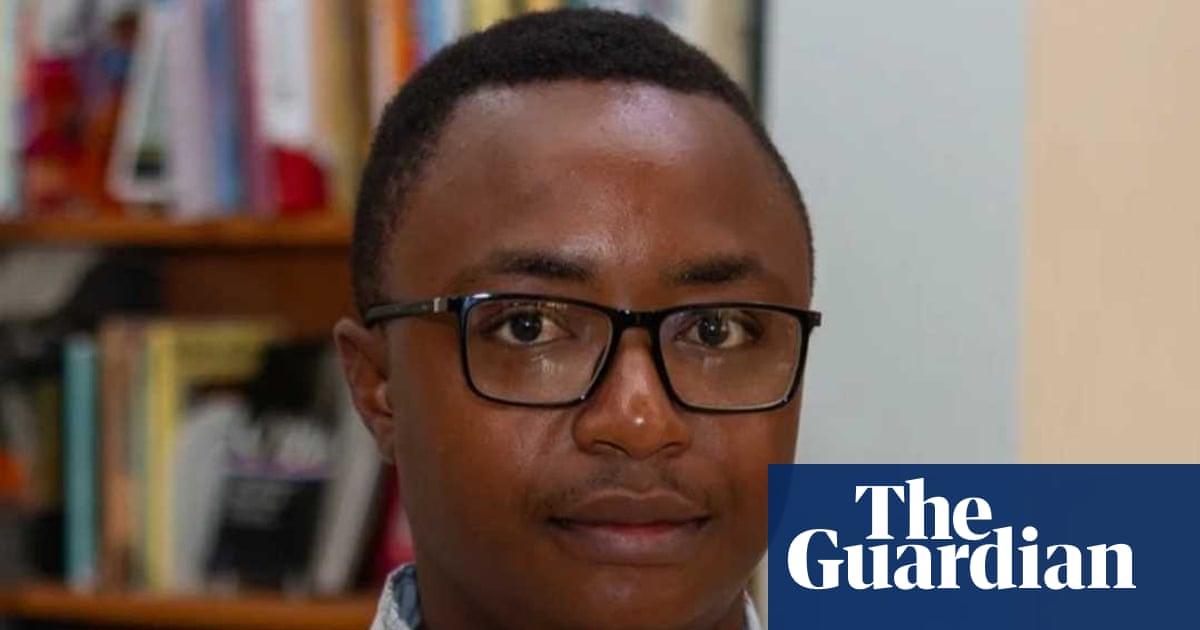
Zimbabwean author Simbarashe Kundizeza denies using AI to write prize-winning story
Introduction and Key Takeaways
The literary world is currently grappling with a technological crisis that threatens the very definition of artistic authorship. Zimbabwean writer Simbarashe Kundizeza has vehemently denied allegations that his acclaimed story, The Blue Fighter, was produced using generative models. The controversy erupted after a prominent publication utilized detection software to suggest the work was essentially machine-made. This dispute highlights a growing tension between traditional creative processes and the rise of automated tools in the arts.
- Simbarashe Kundizeza asserts total human authorship of his award-winning short story.
- AI-detection software has become a controversial judge in literary competitions.
- The Caine Prize organization is conducting a human-centered review of these claims.
- Wider concerns exist regarding the bias and reliability of tools used to police artistic output.
Background and Context: What Just Happened?
Following the announcement that Kundizeza had won the prestigious Caine Prize for African writers, scrutiny arrived swiftly. A report by journalist Vauhini Vara for The Atlantic claimed that the story showed distinct markers of artificial generation. Utilizing a tool called Pangram, the report alleged that the narrative structure, metaphor density, and stylistic choices were characteristic of machine-authored text rather than human prose.
This event is not isolated. The literary community has seen a surge in digital content scrutiny, with high-profile awards like the Goncourt prize facing similar challenges. Such accusations have severe implications for a writer’s career and professional integrity, especially when labels like cheater are applied without definitive proof.
Root Cause and Deep Dive Analysis
The core of this conflict lies in the problematic reliance on software to judge human creativity. Critics of these detection tools argue that they are often built on assumptions that equate specific stylistic choices (or even shifts in a writer’s personal style over time) with artificiality. Kundizeza himself has pointed out that the argument against him displays a fundamental misunderstanding of the creative process. A writer’s voice evolves, and accusing an author of using machines simply because their current work differs from a past project ignores the natural growth inherent in the craft.
Furthermore, there is a legitimate concern regarding who serves as the arbiter of truth. As Ellah Wakatama, the chair of the Caine Prize, noted, turning technological tools into a final judge without a robust investigative process is dangerous. It risks turning marginalized voices, such as those of black writers, into a testing ground for experimental software that remains unproven.
Strategic Implications and Future Impact
The rise of AI in literature forces institutions to reconsider their evaluation frameworks. When global discourse is increasingly mediated by algorithms, the stakes for protecting human expression are higher than ever. If literary prizes continue to rely on automated checkers, they risk alienating the very creators they exist to celebrate. Moreover, the ambiguity of these tools suggests that we are moving toward a period where the burden of proof may unfairly shift to the author, potentially stifling experimentation and stylistic boldness.
Beyond the personal impact on authors, this situation highlights a broader geopolitical concern regarding intellectual property and the integrity of human-produced culture. As AI models scrape vast datasets, they inevitably influence the tone and rhythm of contemporary writing. Discerning whether a work is influenced by AI or purely human requires more than a software scan; it requires critical literacy and deeper human engagement.
Conclusion and What to Watch Next
The situation involving Simbarashe Kundizeza will likely serve as a turning point for how international literary bodies manage allegations of synthetic authorship. We should watch for the official findings of the Caine Prize review, as their methodology may set a standard for other institutions. If organizations move away from automated detection and toward more holistic, editorial-led verification, it could provide a template for resolving these disputes without infringing upon an author’s dignity.
Ultimately, the debate is not just about one story or one prize. It is about the future of creative labor. As technology continues to permeate every facet of our lives, maintaining a human-centric approach to evaluating art remains essential for preserving the authenticity of global literature.