Voters in São Tomé and Príncipe are poised for a high-stakes presidential election this Sunday, a critical moment that will test the democratic resilience of one of Africa’s least populous nations. The incumbent, Carlos Vila Nova, finds himself in a truly fascinating position: vying for a second term not as the candidate for his former party, the Acção Democrática Independente (ADI), but as a staunch independent. This complex political dynamic defines the upcoming São Tomé Election.
With approximately 142,000 citizens registered to cast their ballots, including a significant 15% diaspora vote, the stakes couldn’t be higher. Since declaring independence from Portugal in 1975, this twin-island nation off Africa’s west coast has meticulously cultivated a reputation for peaceful and genuinely competitive elections. Yet, this particular electoral cycle unfolds against a backdrop of palpable political tension and an unsettling, prolonged constitutional crisis.
The Stakes of the São Tomé Election
The intricate web of political discord truly began to unravel last January when President Vila Nova controversially dismissed then-Prime Minister Patrice Trovoada. What followed was a swift succession of leadership, including the brief, three-day tenure of Ilza Amado Vaz before Américo Ramos assumed the role. These events irrevocably fractured the relationship between Vila Nova and the ADI, leading to his independent candidacy and a deeply fragmented political landscape for the current São Tomé Election.
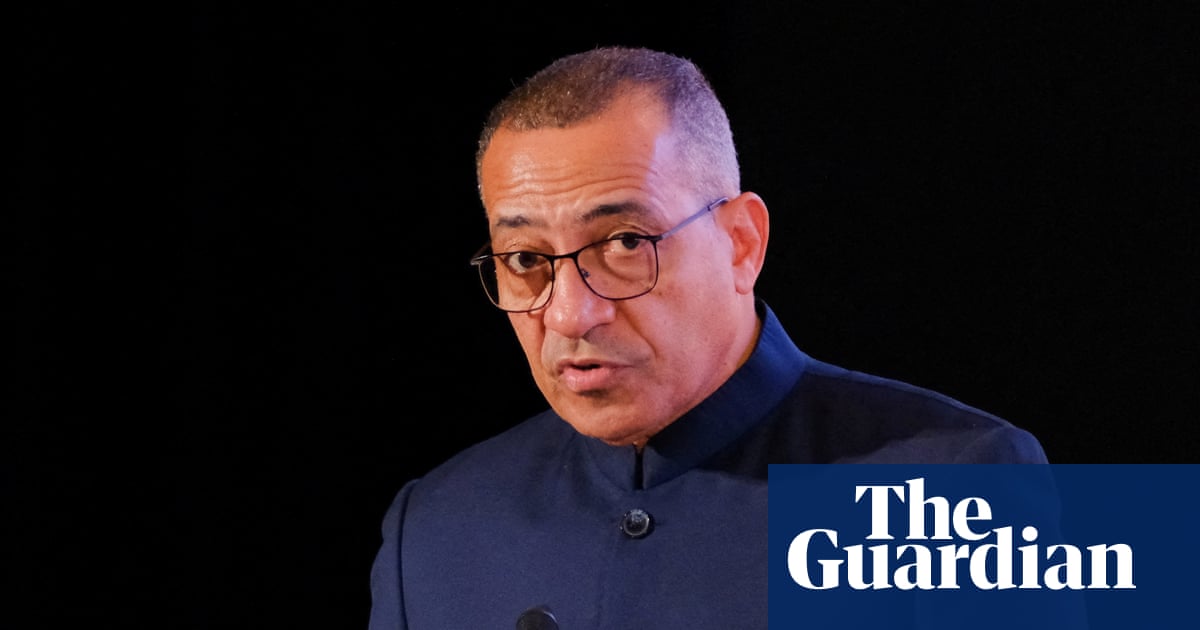
Vila Nova faces a formidable field of four other candidates, notably including Nito D’Abreu, the parliamentary leader for ADI. Adding a touch of the dramatic, former Prime Minister Jorge Bom Jesus remains on the ballot despite his attempt to withdraw his independent candidacy, having missed the crucial deadline. Intriguingly, the main opposition, the Movement for the Liberation of São Tomé and Príncipe, has thrown its weight behind the incumbent, forming an unexpected coalition with what were once their staunch ADI adversaries. Meanwhile, a faction within the ADI, led by Prime Minister Ramos, is actively backing D’Abreu. Should no candidate secure an outright majority of over 50%, the nation will brace itself for a second-round run-off.
Adding another layer to the pre-election narrative, Domingos Monteiro, popularly known as “Nino” and the president of the São Toméan Football Federation since 2015, was disqualified. The constitutional court cited eligibility requirements, ruling that despite being born on the island, his Cape Verdean-born parents had never naturalized. Monteiro vehemently protested, stating the court was “violating the principle of equal rights” and condemning what he perceived as “discrimination, to the culture of xenophobia and persecution.”
For the electorate, the issues dominating kitchen table discussions are stark: rampant government corruption, crippling high inflation, pervasive youth unemployment, chronic fuel shortages, and incessant power blackouts. Rivals are banking on these public grievances to deny Vila Nova a second term. Indeed, at a recent candidate discussions, D’Abreu emphatically declared that corruption is “the greatest catastrophe the country has experienced in this half-century.”
Beyond its internal political drama, São Tomé and Príncipe holds strategic significance as a trusted Western ally for maritime security and trade in the notorious Gulf of Guinea, a global piracy hotspot. Its burgeoning offshore oil deposits also contribute substantially to its modest economy. International observer missions from the European Union, G7+, and the Community of Portuguese Language Countries are diligently on the ground, ensuring the transparency and integrity of this pivotal São Tomé Election.
About the Author