
Monsoon Session: PM Modi Urges Parliament to Engage In Respectful Debate As Opposition Protests| TRS
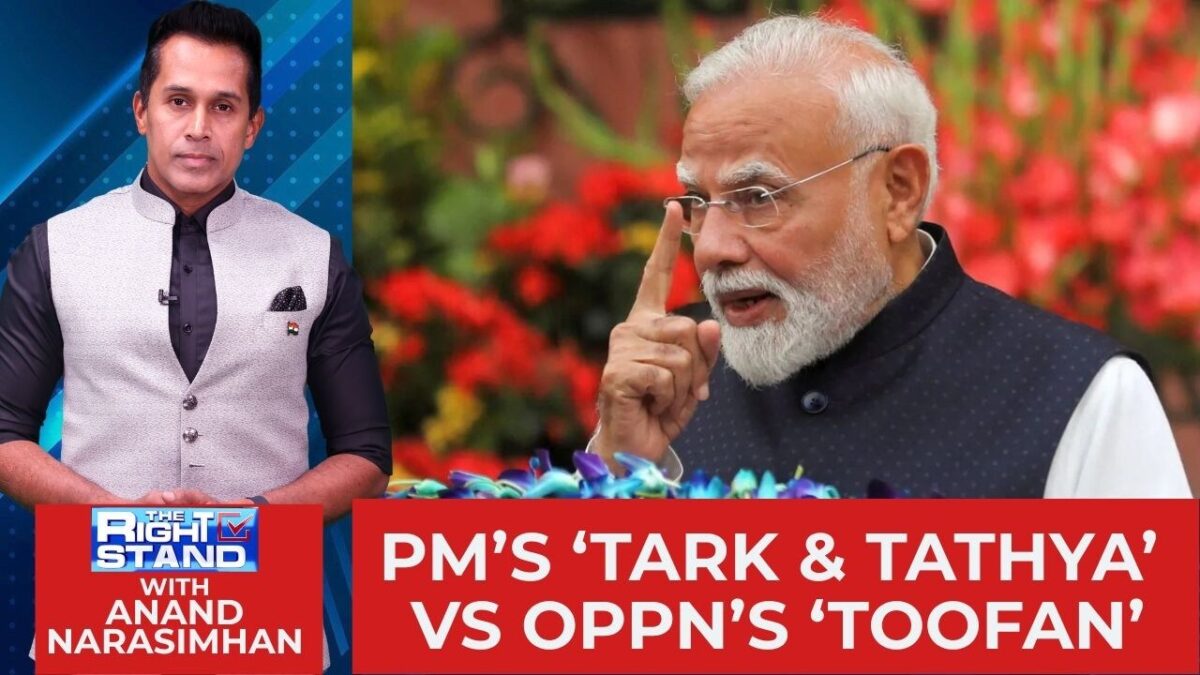
The Monsoon Session of Parliament has erupted into a tempest of disruptions, raucous sloganeering, and fervent protests, overshadowing its anticipated commencement. As opposition parties vociferously demand accountability on pressing national concerns, most notably the egregious NEET paper leak scandal, the stage is set for a tumultuous period. Amidst this brewing storm, Prime Minister Narendra Modi, addressing the media before the session’s formal start, issued an impassioned plea for a constructive Monsoon Session Debate. He urged all lawmakers to transcend partisan differences and steer the proceedings towards genuine productivity.
Opposition leaders, however, have remained unyielding. Their protests intensified dramatically, a resolute declaration that critical discussions on issues demanding immediate governmental attention and transparency cannot be deferred. The nation watches with bated breath as the two houses, Lok Sabha and Rajya Sabha, brace for what promises to be a series of intense exchanges and potentially dramatic confrontations. The very essence of a robust Monsoon Session Debate is at stake.
Monsoon Session Debate: Navigating the Storm
With a slate of crucial legislation awaiting introduction, and political temperatures soaring, the government finds itself in a precarious position. The demand for accountability from the opposition isn’t merely about political point-scoring; it reflects a genuine public outcry over matters of significant national import. From educational integrity to economic policy, the list of grievances is long and complex. The effectiveness of India’s democratic process hinges on the ability of its elected representatives to engage meaningfully.
Ensuring a productive Monsoon Session Debate requires cooperation from all sides. While the Prime Minister calls for decorum, the opposition insists on action. This tension is the crucible in which national policy is forged, or, at times, fractured. The public, weary of stalemates, yearns for substantive dialogue rather than mere procedural wrangling.
The coming weeks will undoubtedly test the resilience of parliamentary procedures and the spirit of compromise. Whether the session ultimately descends into perpetual deadlock or manages to address key national challenges remains to be seen. One thing is clear: the eyes of the nation are fixed squarely on the proceedings, hopeful for progress amidst the political theatre.