
How protests have shaped India: From anti-Hindi agitation to farm laws
Introduction & Key Takeaways
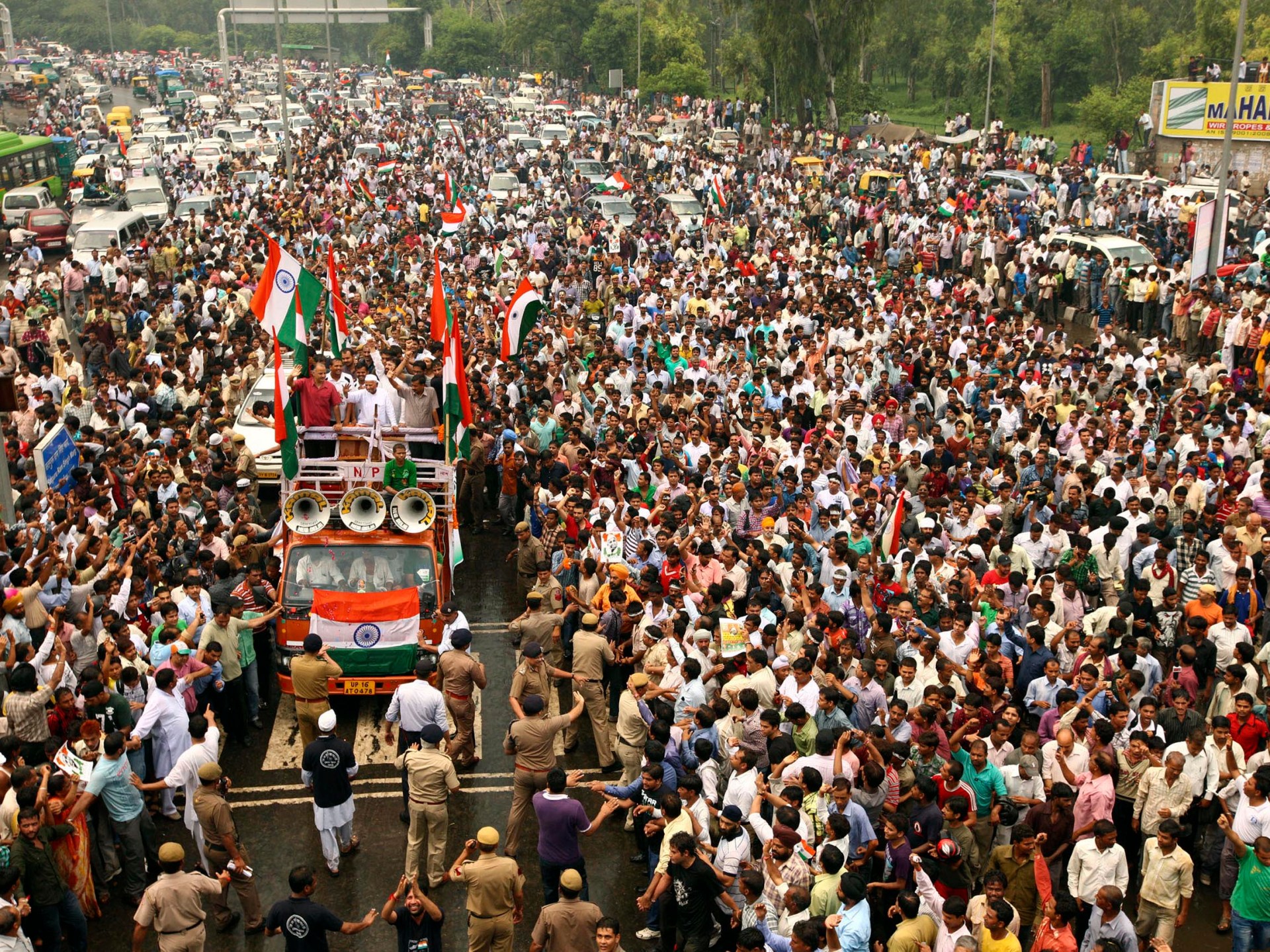
The streets of New Delhi are once again pulsating with a familiar energy as thousands converge to demand systemic accountability. In this era of democratic friction, understanding how protests have shaped India is essential for grasping the current political volatility. From the historic linguistic debates of the 1960s to the modern digital activism of today, civil dissent remains a critical barometer of the nation’s health. The current agitation, led by student organizations and opposition forces, seeks the resignation of the Chief Election Commissioner (CEC) following claims of electoral irregularities. This movement follows the recent, successful ouster of the education minister, signaling a shift in power dynamics within the Indian republic.
- Mass mobilization has historically functioned as a corrective mechanism when formal institutional oversight fails.
- The current political climate displays a distinct trend of Gen Z leadership utilizing viral rhetoric to challenge state narratives.
- Governmental responses to dissent, ranging from legislative concessions to heavy-handed crackdowns, define the evolution of the Indian state.
Background & Context (What Just Happened?)
The capital is currently grappling with a massive influx of demonstrators who are struggling to find space for sit-ins as security forces maintain a heavy presence. These protesters, many of whom are students, are calling for the departure of CEC Gyanesh Kumar. This demand follows a pattern established by earlier movements that successfully pressured the government into personnel changes. Political observers, such as those noted in reports regarding recent democratic challenges, emphasize that this latest wave is not an isolated event but a continuation of deep-rooted civic engagement. The government, for its part, has framed the activists as anti-national, attempting to cast the protests as impediments to national growth.
Root Cause & Deep Dive Analysis (Why Did This Happen?)
To understand the current tension, one must look at the historical trajectory of dissent in the country. The 1965 Anti-Hindi agitations were a watershed moment, securing the status of English and protecting regional identities against northern hegemony. Similarly, the 1970s JP Movement introduced the concept of the Total Revolution, challenging the unchecked power of the incumbent leadership. These movements taught subsequent generations that the state is not infallible. Fast forward to the Mandal Commission era, where the debate over affirmative action highlighted the friction between meritocracy and social justice. Each of these episodes has served as a blueprint for modern groups. The current agitation, partly born from controversial remarks by judicial officials, reflects a society increasingly willing to confront the establishment over perceived corruption and institutional decay.
Strategic Implications & Future Impact (What Does This Mean Globally?)
The global perception of India as a rising superpower is inextricably linked to its internal democratic stability. When the streets reflect a lack of consensus, it impacts both foreign investment and geopolitical alliances. The ability of current protest movements to successfully force executive resignations suggests that the government is more vulnerable to public pressure than its strongman image implies. If these demonstrations continue to scale, the ruling party may find its policy-making capabilities severely constrained by a perpetual cycle of agitation. Furthermore, the international community often evaluates the health of the world’s largest democracy through how it treats its protesting citizens, meaning these events carry long-term diplomatic consequences.
Conclusion & What to Watch Next
The legacy of mass movements, from the fight against colonial rule to modern student-led uprisings, continues to shape the soul of the republic. As the current standoff between the administration and the activists persists, the ultimate question remains whether the government will engage in constructive dialogue or continue its strategy of suppression. Observers should keep a close eye on the judiciary’s role, the unity of opposition parties, and the resilience of the student-led coalitions. The history of the nation shows that while protests can be disruptive, they are fundamentally embedded in the DNA of Indian political life, often serving as the primary vehicle for necessary structural reform.