The small island nation of São Tomé and Príncipe is bracing for a fiercely contested São Tomé Election this Sunday, as incumbent President Carlos Vila Nova seeks an unprecedented second term as an independent candidate. This pivotal vote, involving approximately 142,000 registered citizens both at home and across the diaspora, arrives amidst a palpable atmosphere of political tension and a lingering constitutional crisis that has gripped the country.
For decades, São Tomé and Príncipe, a diminutive African state nestled off its west coast, has been lauded for its remarkably peaceful and competitive electoral processes since achieving independence from Portugal in 1975. Yet, this year’s contest shimmers with uncertainty.
President Vila Nova, who originally secured office five years ago representing the Acção Democrática Independente (ADI) party, has made the striking decision to run for re-election without his former party’s backing. This schism, brewing since early last year, saw Vila Nova dismiss then-Prime Minister Patrice Trovoada. A brief, chaotic three-day tenure by former Justice Minister Ilza Amado Vaz followed, before Américo Ramos assumed the role.
Understanding the Tense São Tomé Election Landscape
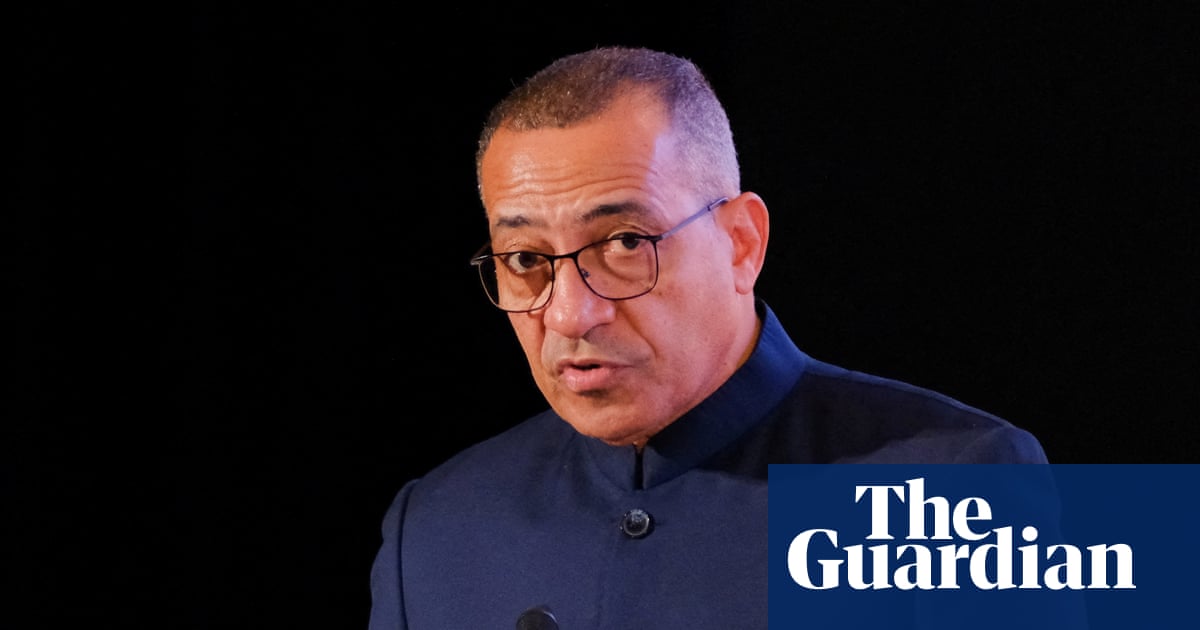
This particular São Tomé Election stands out, however, marked by a palpable constitutional crisis and internal party strife, creating an electoral tableau unlike previous years. Vila Nova faces a field of four challengers, notably including Nito D’Abreu, the parliamentary leader for the ADI. Curiously, former Prime Minister Jorge Bom Jesus remains on the ballot despite his eleventh-hour attempt to withdraw his independent candidacy, missing the official deadline.
The political maneuvering has been intricate, to say the least. The main opposition, the Movement for the Liberation of São Tomé and Príncipe, has paradoxically joined a broad coalition supporting the incumbent president, a move that pits them against their traditional ADI adversaries. Meanwhile, a distinct ADI faction, spearheaded by current Prime Minister Ramos, has thrown its weight behind D’Abreu. Should no candidate secure more than 50% of the vote, a second round will inevitably follow.
Adding another layer of controversy, businessman Domingos Monteiro, affectionately known as “Nino,” and president of the São Toméan Football Federation since 2015, found his candidacy abruptly terminated. The constitutional court deemed him ineligible, citing that despite his birth on the island, his parents, originally from Cape Verde, had never naturalised. Monteiro vehemently decried the ruling, asserting, “The constitutional court is violating the principle of equal rights… It is time for descendants born in São Tomé and Príncipe to say no to discrimination, to the culture of xenophobia and persecution.”
For the average voter, the critical issues looming large include rampant government corruption, a crippling high inflation rate, severe youth unemployment, persistent fuel shortages, and aggravating frequent power blackouts. Rivals of the sitting president are banking on these widespread grievances to prevent him from clinching a second term and to propel themselves into the nation’s highest office.
“Corruption in São Tomé and Príncipe is the greatest catastrophe the country has experienced in this half-century [of independence],” D’Abreu declared during a recent presidential debate. Addressing these profound challenges forms the crux of the current São Tomé Election discourse.
Internationally, the country holds significant strategic importance. It is viewed as a steadfast western ally, crucial for maintaining security and facilitating maritime trade within the treacherous Gulf of Guinea, an area infamous for its piracy. Furthermore, its offshore oil deposits contribute substantially to its modest economy. To ensure transparency and integrity, observer missions from the European Union, G7+, and the Community of Portuguese Language Countries are on the ground, closely monitoring the polls in this island nation.
About the Author