
Trump slaps 50% tariffs on Canada and Carney vows to ‘intensify’ trade talks
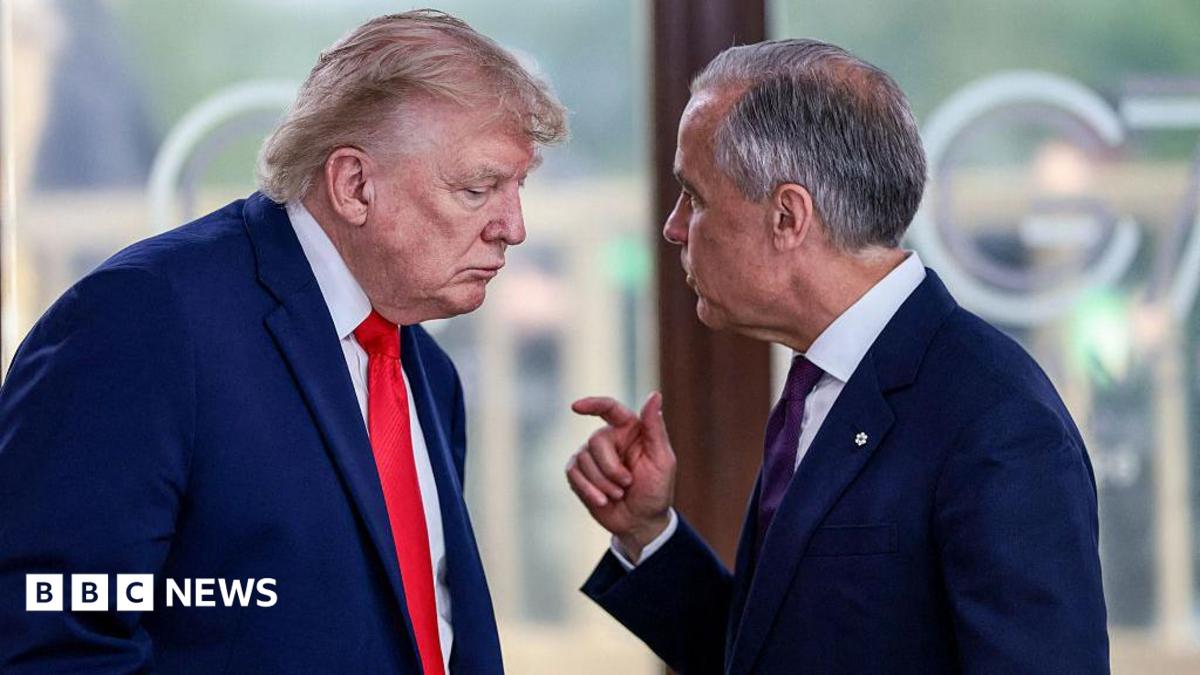
In a dramatic escalation of North American trade tensions, US President Donald Trump has unleashed a new barrage of Canada US Tariffs, imposing steep 50% duties on a broad spectrum of Canadian imports. This unilateral move, announced Monday, targets everything from everyday consumer staples like wine and hockey sticks to critical industrial materials such as cement. The White House insists these tariffs are direct retaliation for what it perceives as Canada’s “unequal treatment” of American cars, dairy products, and alcoholic beverages. However, crucial sectors including energy, potash, and fish have been notably spared from the punitive measures.
Canadian Prime Minister Mark Carney swiftly responded, expressing Canada’s readiness to “intensify” trade discussions with the United States in the coming weeks. The new duties are set to take effect in just 30 days, signaling a significant deepening of the economic dispute between the two closely intertwined neighbors. These tariffs apply across the board, irrespective of whether the products fall under the existing USMCA free trade agreement, a point of contention for Ottawa.
Understanding the Latest Canada US Tariffs
This isn’t an isolated incident; these import taxes build upon an existing framework of trade barriers. The US already maintains tariffs of 15% to 50% on Canadian steel, aluminum, and copper. Furthermore, a 35% tariff on Canadian softwood lumber and a 25% tax on non-US car parts have long vexed Canadian exporters. Canada, for its part, has implemented its own 25% counter-tariffs on select American steel, aluminum, and vehicle imports. These existing duties, combined with the new measures, collectively highlight the deepening Canada US Tariffs dispute.
Curiously, while President Trump had previously threatened tariffs over Canadian wildfire smoke drifting into US cities, the executive orders signed Monday make no mention of environmental concerns. Instead, the proclamations explicitly detail long-standing US trade grievances concerning automotive goods, dairy, and alcohol—underscoring a clear breakdown in bilateral trade negotiations.
The automotive sector presents a particular flashpoint. Trump alleges Canada levies a tax on US motor vehicles and parts not covered by the USMCA, an “unreasonable” practice he claims unfairly discriminates against American manufacturers. This comes despite North America’s highly integrated auto industry. Dairy also remains a perennial problem; Canada’s supply management system severely limits foreign imports, subjecting anything exceeding those limits to tariffs upwards of 300%. And let’s not forget the lingering boycott of US alcoholic drinks by Canadian provinces, a major point of friction that premiers have vowed to lift only if US tariffs on Canadian metals and automobiles are removed.
Canadian trade negotiators have been tirelessly working to secure an agreement that would at least alleviate some of these persistent US tariffs. The current situation, described by Candance Laing of the Canadian Chamber of Commerce as a “regrettable decision,” necessitates immediate and “meaningful progress” in talks before the duties bite, particularly in light of these new Canada US Tariffs. Similarly, Chris Swonger, leading the Distilled Spirits Council of the United States, urged a swift resolution, cautioning against the looming “risk of further retaliation.” Understanding the nuances of these trade disagreements is crucial for anyone interested in international trade principles.
It’s worth noting the legal backdrop: while the US Supreme Court earlier this year struck down previous sweeping tariffs imposed by Trump under an emergency act, these latest duties were introduced under Section 338 of the 1930 Tariff Act, a different mechanism focused on trade discrimination, not national emergencies. This legal maneuver highlights the administration’s determination to wield trade policy as a powerful instrument, even in the face of judicial pushback.