
JP Nadda Meets Injured Protesters At Delhi Hospital After Clashes With Police | Watch
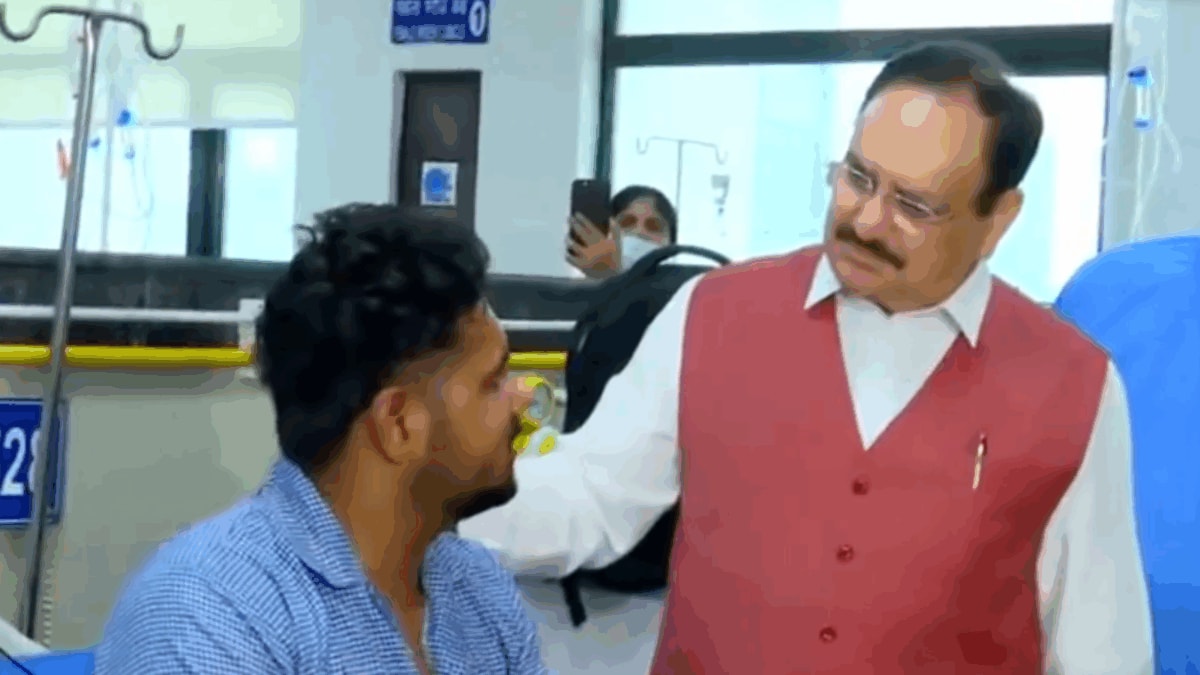
NEW DELHI — In a significant move aimed at de-escalating burgeoning tensions, Union Minister JP Nadda made a poignant JP Nadda visit to Lady Hardinge Medical College on Tuesday, personally meeting individuals injured during the tumultuous ‘Sansad Chalo’ march. This compassionate gesture followed a day of chaotic confrontations between demonstrators and law enforcement in the capital, sparked by the ongoing controversy surrounding the alleged NEET 2026 paper leak.
The Minister’s hospital visit unfolded swiftly, a day after he engaged in discussions with a delegation from the Cockroach Janta Party (CJP). The CJP has been at the forefront of the widespread agitation, demanding accountability and resolution over the examination irregularities that have cast a shadow over thousands of student futures.
Aftermath of the Delhi Clashes and the JP Nadda Visit
The streets of Delhi witnessed fierce clashes on Monday as protesters attempted to march towards Parliament. Police reports indicate that over 100 personnel sustained injuries, alongside numerous demonstrators. Authorities confirmed multiple detentions and the registration of First Information Reports (FIRs) citing allegations of violence and vandalism. Conversely, protest leaders vehemently accused police of employing excessive force against peaceful marchers, exacerbating an already volatile situation.
Following this direct confrontation, CJP leaders declared a temporary suspension of further marches towards Parliament, a decision made, they stated, to prevent additional injuries. However, the resolute sit-in protest at Jantar Mantar is slated to continue indefinitely, maintaining pressure on the government.
Beyond the immediate aftermath of the street clashes, the wider repercussions resonate across the national stage. The JP Nadda visit underlines the government’s recognition of the severity of the situation. Nadda, after his earlier meeting with the CJP delegation, had urged demonstrators to cease their agitation, emphasizing the importance of cooperation to restore normalcy. He described the talks as “good,” hinting at a constructive dialogue despite the public unrest.
Activist’s Resolve and Judicial Intervention
Meanwhile, prominent activist Sonam Wangchuk entered the 24th day of his indefinite hunger strike on Tuesday, unwavering in his demand for accountability, including the resignation of Union Education Minister Dharmendra Pradhan. His steadfast refusal to end the fast underscores the deep-seated frustration among the protesting factions. The Delhi High Court, amidst growing concerns for Wangchuk’s health, even proposed transferring him from Safdarjung Hospital to Medanta Hospital, following a plea from his wife, Gitanjali Angmo, for enhanced medical attention. Despite the prolonged fast, doctors assure that his vital parameters remain stable.
Prime Minister Addresses NEET Concerns
Prime Minister Narendra Modi, addressing the NDA Parliamentary Party meeting on Tuesday, also weighed in on the contentious NEET paper leak issue. He appealed to the public to guide students responsibly, cautioning against inflammatory rhetoric. “It is easy to go on the wrong path, but it is much tougher to come back onto the right path, and we have to bring them on the right path. That is our responsibility,” the Prime Minister asserted, reflecting on the broader implications for youth in the current democratic expression. He reiterated the government’s commitment to strict action against those involved in the leak, ensuring no student’s future is unjustly jeopardized. This firm stance and the recent JP Nadda visit illustrate the administration’s concerted efforts to manage a crisis that has gripped the nation’s attention.