
Healthy diet too expensive for one in three people globally, UN report finds
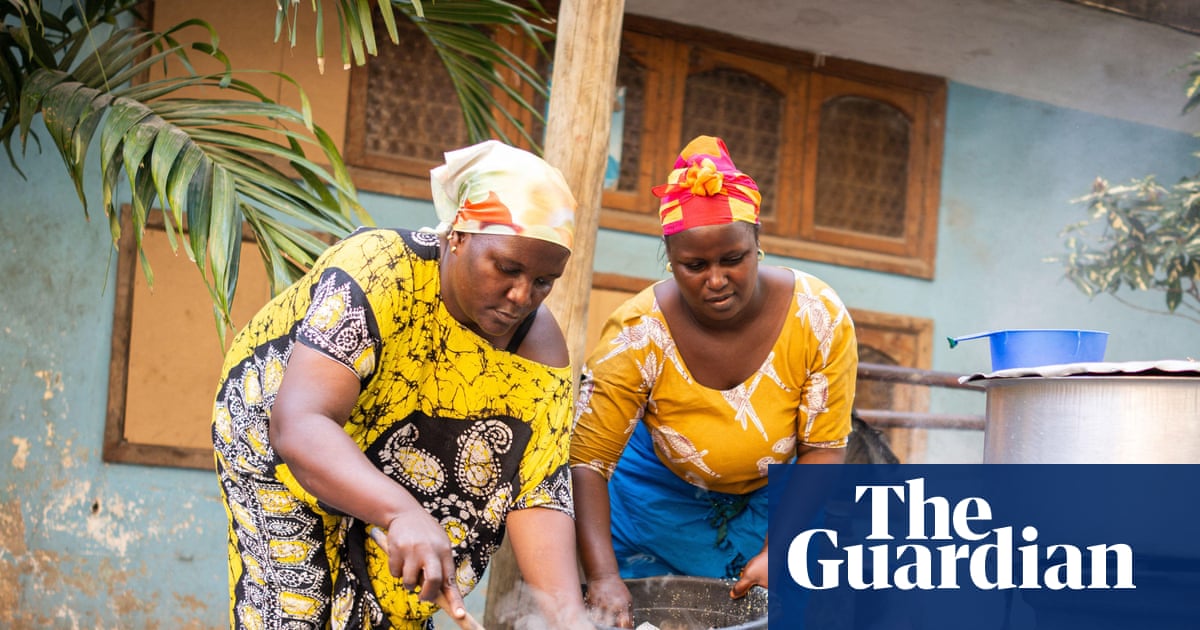
The world faces a staggering paradox. While global hunger saw a modest decline for the third consecutive year in 2025, a darker truth emerges: the persistent crisis of healthy diet affordability. A startling one in three people across the globe simply cannot afford to eat nutritiously, a stark finding from a new UN report demanding immediate action.
An immense 2.69 billion individuals worldwide are trapped in a predicament where a diverse diet, one essential for energy and nutrient needs, remains financially out of reach. This grim reality casts a long shadow over the ambitious global target of zero hunger by 2030, a goal that now requires “immense” and concerted efforts, according to the annual report released by a consortium of five UN agencies.
The Alarming Cost of Healthy Diet Affordability
Maximo Torero, chief economist for the Food and Agriculture Organization and a co-author of the report, underscored the “extremely high” proportion of people still unable to secure a healthy diet. The “State of Food Security and Nutrition in the World 2026” report meticulously calculates the baseline cost of a healthy diet at 4.28 purchasing power parity (PPP) dollars daily. This figure, significantly exceeding the extreme poverty line of $3 PPP per person, highlights a fundamental systemic flaw.
For too long, governmental policies have disproportionately channeled subsidies toward cereals and starchy staples. This singular focus, Torero argues, provides calories but utterly neglects dietary diversity, contributing directly to soaring rates of obesity and the proliferation of non-communicable diseases such like cancer and diabetes. Disturbing statistics from the World Health Organization confirm this trend, showing adult obesity climbing from 12.1% in 2012 to a concerning 16.2% by 2024. Addressing healthy diet affordability is paramount, not just for basic sustenance, but for broader public health.
“It’s extremely urgent,” Torero declared, emphasizing the critical need for intensive work to mitigate the escalating risks and “hidden costs” associated with this dramatic increase in obesity. The report advocates for robust investment in infrastructure, alongside dedicated research and development. Modelling suggests that streamlined supply chains could effectively lower the price points for nutrient-rich foods, including meat, dairy, fruits, and vegetables. Such initiatives are vital to improving healthy diet affordability globally. Furthermore, innovative policies designed to encourage greater consumption of produce could yield substantial health and economic dividends.
The situation is particularly dire in Africa, where a staggering 66.6% of the population found itself unable to afford a healthy diet in 2025. This rate is more than double that observed in either Asia or Latin America and the Caribbean. For the first time, Africa now bears the regrettable distinction of hosting the highest number of hungry individuals globally, with approximately 309 million, overshadowing Asia’s 292 million.
While the sheer numbers are alarming, Torero noted a crucial nuance: the proportion of the African population experiencing hunger is, for the first time in years, actually beginning to decrease. This complex dynamic is largely influenced by higher population growth rates on the continent. However, impending challenges loom. Shipping restrictions in the Strait of Hormuz, exacerbated by ongoing conflicts, are anticipated to impact next year’s food security figures significantly. The report, a collaborative effort by FAO, WHO, Unicef, the UN World Food Programme, and the International Fund for Agricultural Development, serves as a sobering call to action on global food systems.